




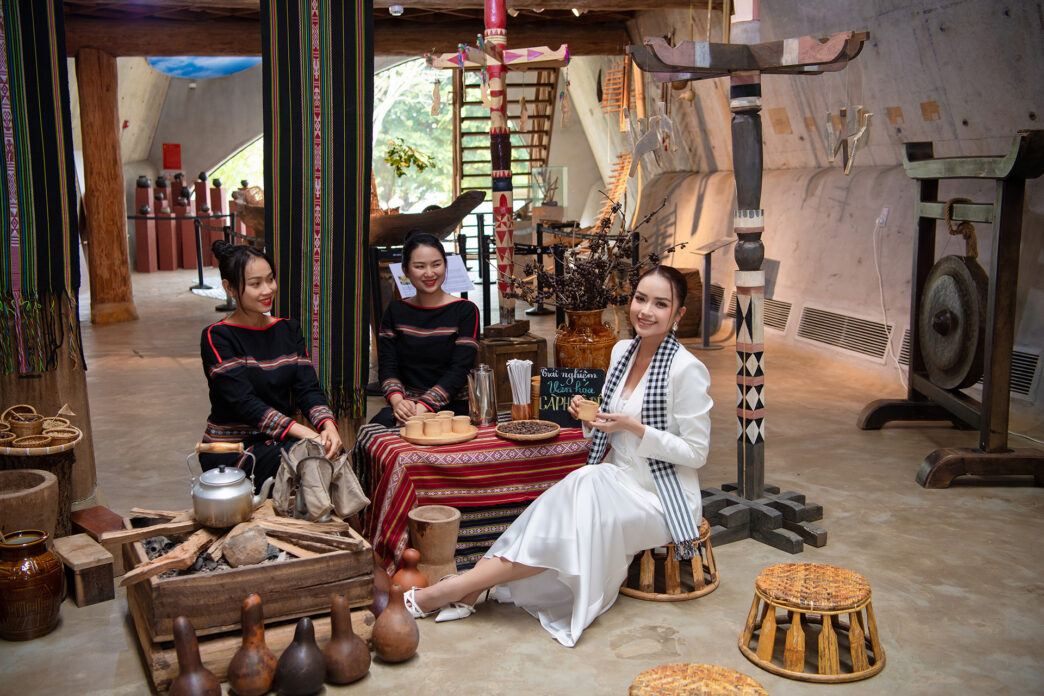
I have a soft spot for niche museums—the more niche, the more interesting the exhibits are (usually). Yes, the Chemex is one of many coffee objects on view in MoMA, but that’s a blip. We want details, nerdiness, and deep dives. How about an entire museum dedicated to the espresso machine’s long evolution from its manual days to now? Or tracing the history of one country’s dedication to coffee?
Some museums are extensions of coffee companies, while others are supported by the country, and the remaining were grown from private collections. The world of coffee museums is surprisingly large and engaging, and appears to be growing year over year.
In a past feature on coffee antiques, curator Karl Schilling of the Viennese Coffee Museum shared about the museum’s replication of a traditional Viennese coffee house, plus a fondness for many of the machines still in operation, thanks to their semi-mechanical build. The Museo della Macchina per Caffe (MUMAC) in Milan is a love note from and showcase of Gruppo Cimbali’s 100 years of machines. It houses an exploded view of the La Cimbali M100 espresso machine—a sight that’s rarely shared with the public by any manufacturer. As previously covered in Sprudge, it functions not only as museum, but also hosts a coffee library with over 10,000 historical documents. Another previous feature is the Bakke Coffee Museum in Seattle. It boasts over 300 commercial espresso machines from the private collection of Kent Bakke, who’s known for his role in introducing machine imports to the US.
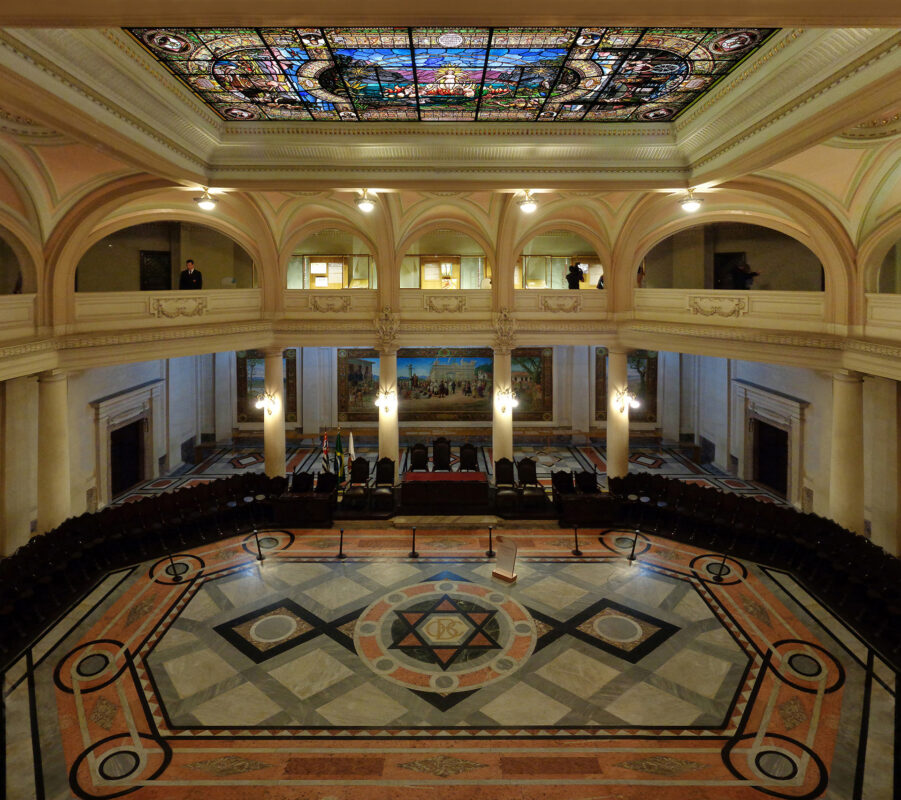
In Santos, Brazil, the Museu do Café (MC) is a government institution that highlights both the country’s coffee history and how the Port of Santos played a pivotal part in it. The port itself currently accounts for the majority of Brazil’s coffee exports.
Uniquely, the museum is housed in Salão do Pregão, the former trading hall, “an imposing and iconic building that once served as a hub for coffee as an economic product,” explains Henrique Trindade, education department coordinator at the MC. It features a historical triptych by painter Benedicto Calixto and a stained glass ceiling piece designed by him and made by stained glass studio Casa Conrado. While you’re here, you don’t want to miss the official entrance that the president of the Coffee Exchange once used, advises Trindade, noting its staircase and architectural ornaments.
Given coffee’s long history in Brazil, notes Trindade, “It shaped Brazilian history, to the point where you can tell the story of Brazil through it,” MC features a wide range of collections, from production (including historical tools) to marketing to consumption. “We explore coffee not only as an economic and historical product,” he adds. “But also as a cultural and social habit, through interactive experiences with TVs and projectors, specialty coffee tastings, and the building itself, which is a living collection full of architectural richness.”
In addition, the Coffee Preparation Center was created in 1999 to offer hands-on barista training skills. “Barista Training Week” teaches students about all the dimensions of coffee: Brazil’s history, cultivation, harvesting, roasting, drink preparation, and latte art. Throughout the year, additional advanced modules are also offered: “students learn how to properly handle and regulate a grinder,” different brewing methods, and harmonization, which is “sweet and savory pairings with specialty coffees.”
As mentioned earlier, several coffee museums cover their home culture’s coffee lineage. The Dubai Coffee Museum in UAE shines a light on Arabic coffee traditions. India has the Araku Coffee Museum for Araku Valley’s coffee production history, as well as the Coffee Yaktra Museum—originally set up by the Coffee Board of India in Chikkamagaluru—to share India’s early coffee cultivation.
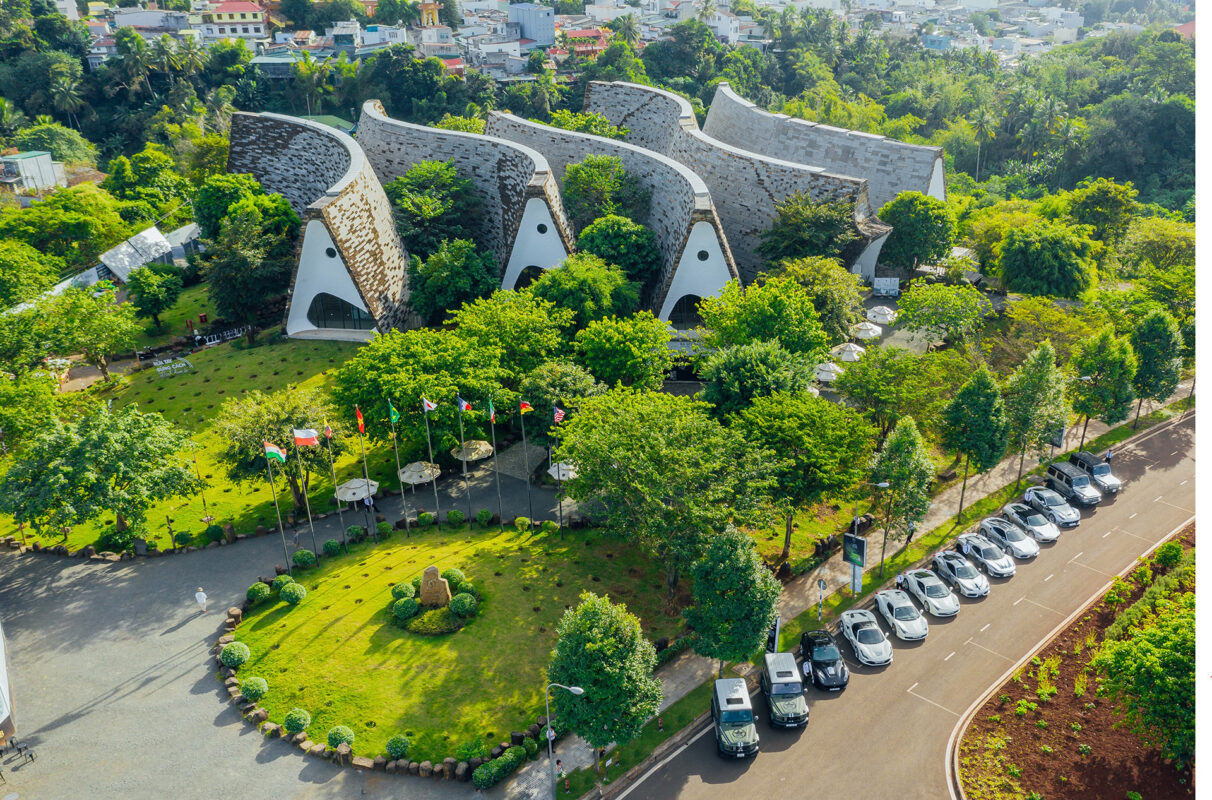
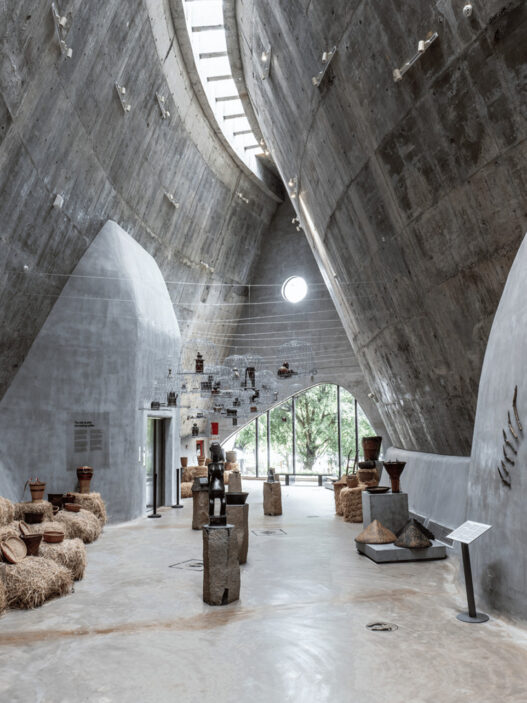
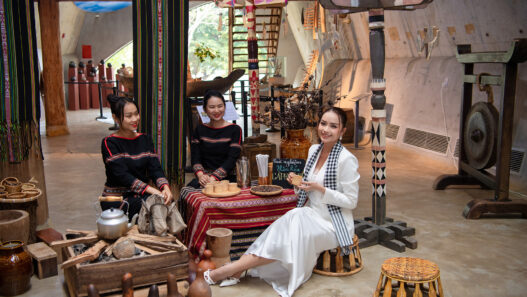
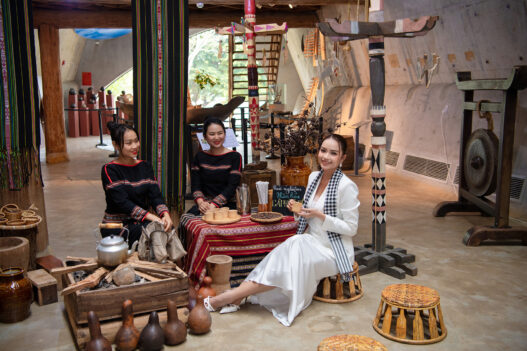
In Vietnam, the second-largest producer of coffee, The Coffee World Museum stands on its own as an architectural work of art. Nestled in the Dak Lak province, the museum is a combination of spiral cones, waves, arches, and connecting pathways. A lot of care and symbolism went into its design. It uses basalt stone, timber, and exposed concrete as its building blocks and acknowledges the city of Buon Ma Thuot’s rich history of indigenous coffee production. The architecture “draws inspiration from the traditional longhouses of Vietnam’s central highlands and from the flowing resonance of ceremonial bells,” shares a representative of Trung Nguyên Legend. The museum is part of Trung Nguyên Legend Group’s larger portfolio, which includes organized tours, roasted coffee, cafes, and more.
Its five interconnected architectural volumes have several layers of symbolism in groups of five, but most importantly—cultivation, nurturing, harvesting, preservation, and appreciation—the essential stages of coffee that represent a “living heritage” of coffee as a Vietnamese cultural icon. Earlier this year, it hosted the World Coffee Heritage Forum, an international gathering of officials, organizations, and coffee experts.
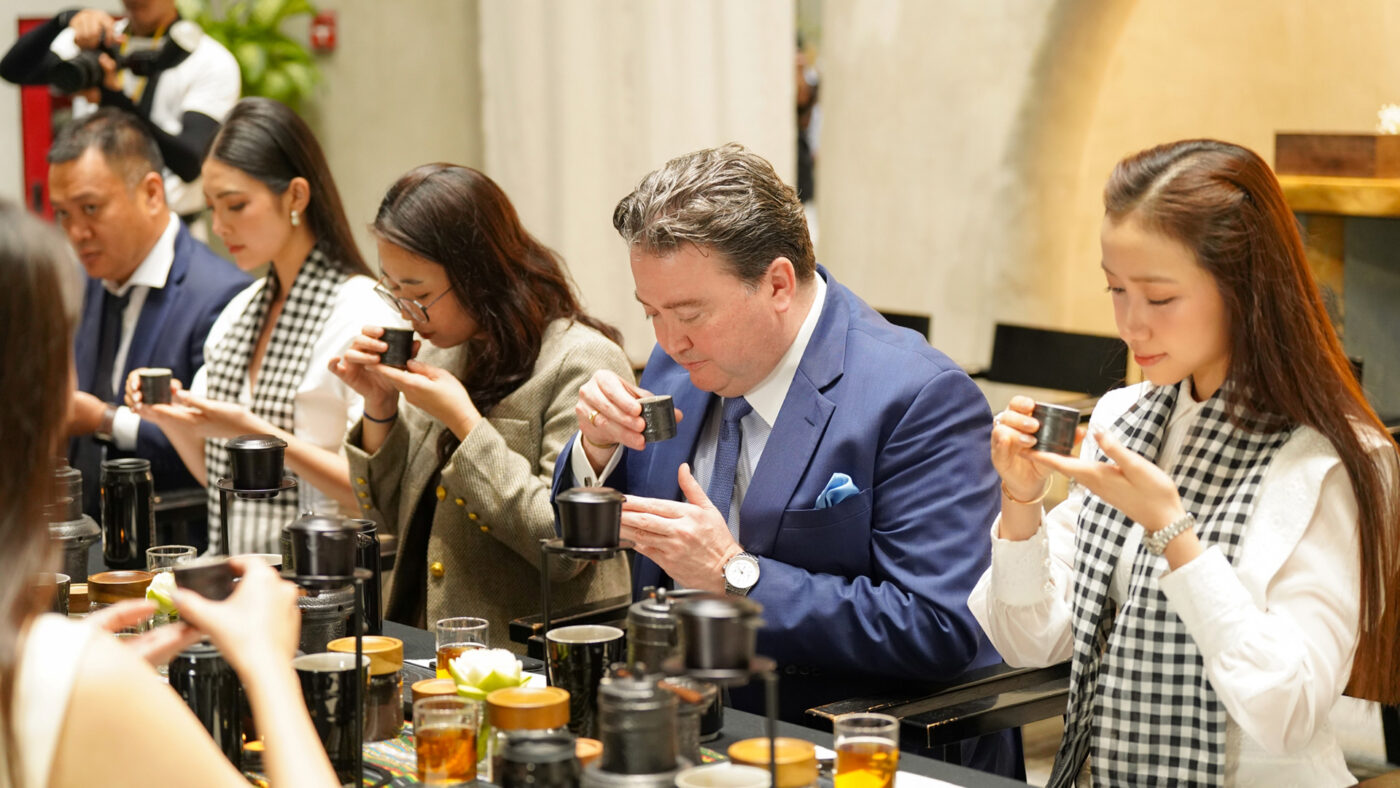
The museum features three coffee civilizations: Ottoman, Roman, and Thiền (Meditation)—with the last one conceived by the founder of Trung Nguyên Legend after decades of studying coffee and its impact on Vietnamese culture. The Thiền Civilization includes an awakening corner, a Thiền coffee set, and guided Coffee Meditations. As explained to me by the representative of Trung Nguyên Legend, the civilization is “a contemporary Vietnamese contribution to global coffee culture that draws upon Vietnam’s cultural identity together with the wisdom of Eastern philosophy.” The Coffee Meditation themselves are a multi-sensory experience that “encourages awakenings, inner balance, and holistic well-being.”
I highly encourage a virtual museum visit to get a sense of how light and architecture integrate with the collections. Where the museum is, it does not stand by itself. In fact, it’s part of a coffee cultural ecosystem—a “Coffee City”—complete with housing, tourism, an almost-finished hotel, and more.
On the other end of the coffee value chain, Korea, Germany, and Australia are all hosts of collections of machines and artifacts, plus educational components for coffee consumers. In Korea, Coffee Cupper owns the Gangneung Coffee Museum in Wangsan (part of the Gangneung Cafe Street’s strip of cafes) and a second one in Gyeongpodae. Kaffeemuseum in Hamburg, Germany began in 1896 with the Burg family’s coffee business. It now teaches visitors about Hamburg’s coffee history and Germany’s introduction to coffee. And finally, cafe and roastery Coffee Works includes displays of historical coffee makers in the back of its flagship location.
As much as the lexicon of specialty coffee has entered the mainstream, there are still plenty of consumers who aren’t aware of the full value chain, its history, or how it shapes today’s industry. Connecting a museum to an existing coffee business—especially if the company is decades-old—offers a gentle introduction to all of this and, hopefully, sparks curiosity and awareness that are sorely needed.
Jenn Chen (@thejennchen) is an Editor At Large at Sprudge Media Network. Read more Jenn Chen on Sprudge.