









Welcome to the Green Room! This is your all-access pass to the inner workings of the coffee supply chain. The climate is shifting and global logistics are more complex than ever and coffee has never been more delicious. That’s why we’ve partnered with the best importers in the business to showcase their latest offerings, educational courses, intelligence reports, and more!
Whether you’re a roaster looking for green coffee or a casual coffee drinker wanting the latest intel, you’ll find the unfiltered data you need in the Green Room to stay ahead of the roast curve.
Latest intelligence:
Cafe Imports
Cafe Imports is Now 100% Employee Owned
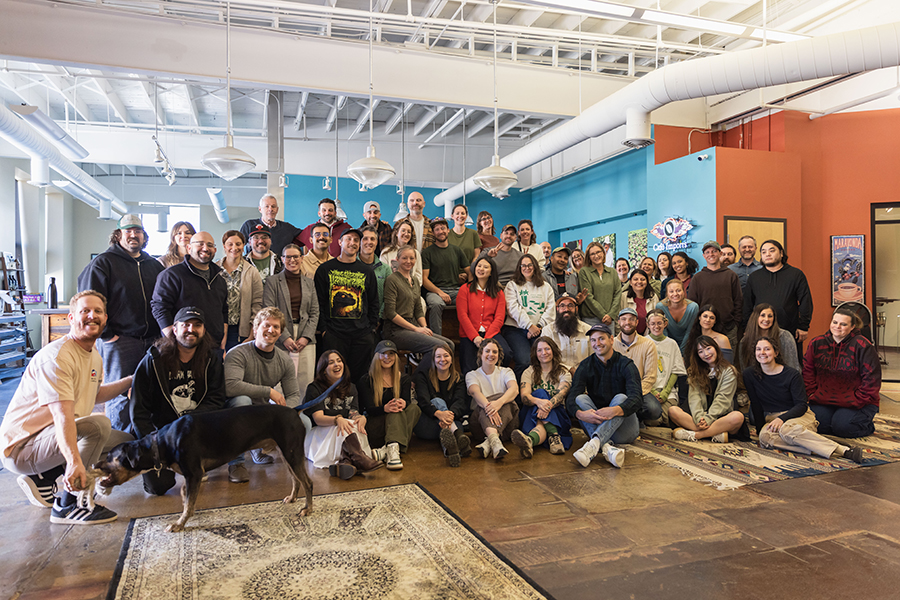
Cafe Imports is proud to announce its transition to employee ownership through an Employee Stock Ownership Plan, or ESOP. A lot has changed since we began in 1993, but the things that matter most to us have stayed remarkably consistent. Great coffee, the people behind it, long-term relationships, education, curiosity, remarkable customer service, and trying to do business in a way that leaves coffee a little better than we found it. Employee ownership gives us a way to protect what we’ve built while making room for the next generation of Cafe Imports to help shape what it becomes.
Primavera Green Coffee
Introducing Primavera Green Coffee!
We didn’t find our way to origin. We started there.
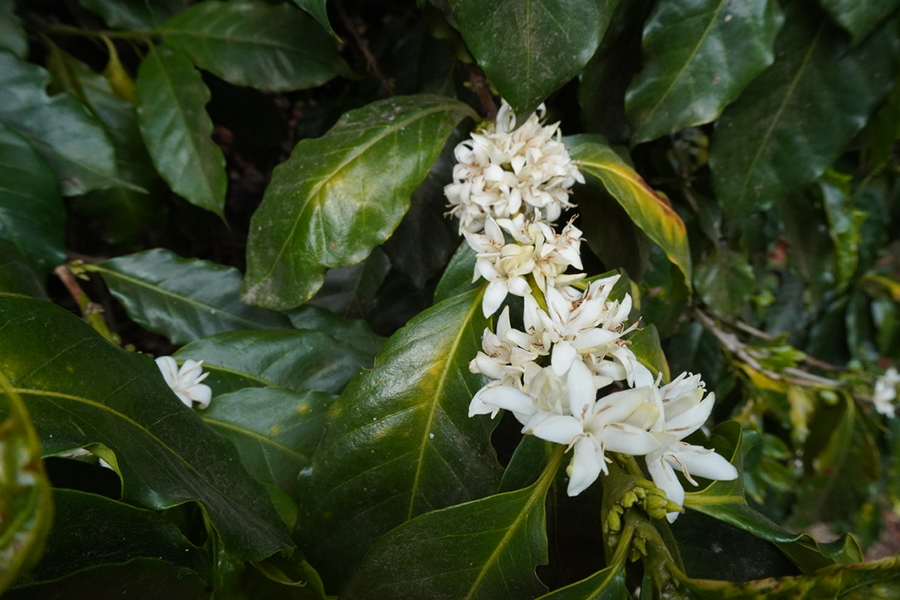
Primavera’s roots are in Guatemala, where founder Nadine Rasch grew up in a coffee-growing family. Today, we carry those roots forward with outstanding coffees from Guatemala, Ethiopia, Colombia, and Peru, building long-term relationships around quality, equity, and sustainability.
On offer now: fresh Guatemalan microlots and the last of this year’s Ethiopians. Coming this fall: Colombia and Peru, from standout microlots to versatile regional lots.
Find our coffees at Annex Oakland, CTI New Jersey, and Dupuy Houston in North America, and Vollers UK and Holland in Europe.

Covoya Coffee
Ohio is for Coffee Lovers Tour!
The Covoya team takes Ohio on our Ohio is for Coffee Lovers tour. Join us in Cincinnati, Toledo and Cleveland for coffee events celebrating specialty and the key people from across the supply chain who bring great coffee to beautiful Ohio. Join us for a panel with Yield Coffee at Redtree Coffee and Art, a cupping at Actual Coffee and latte art throwdown at Six Shooter’s Waterloo location!
Swiss Water
Colombia Los Arrayanes
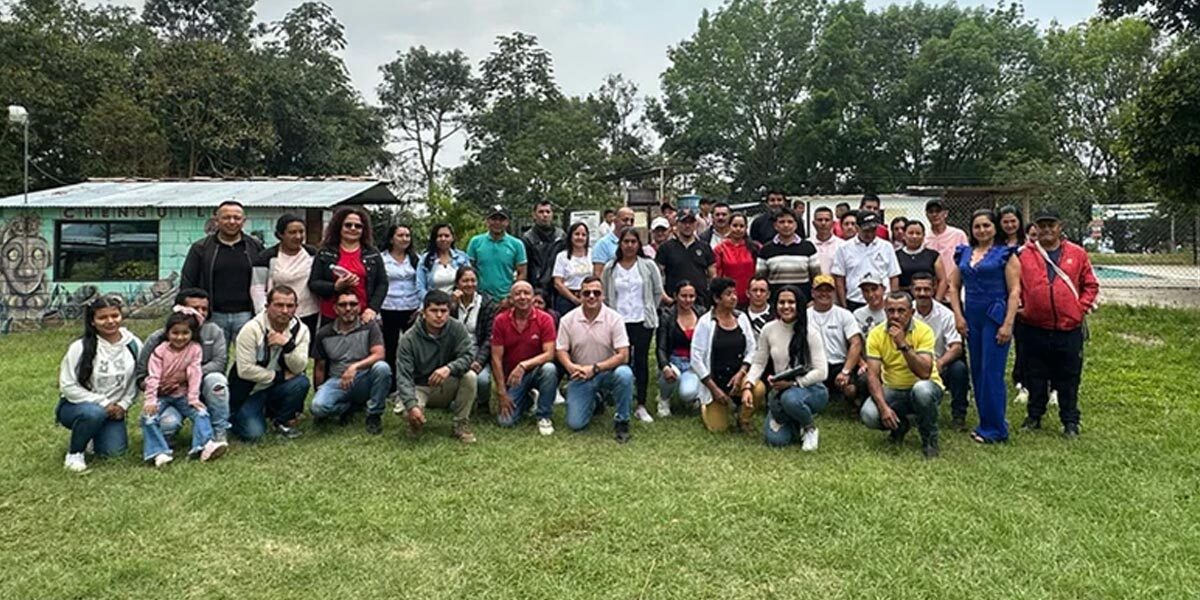
Swiss Water is pleased to offer this Colombian coffee with expanded traceability from the Los Arrayanes Coffee Growers Association. The Los Arrayanes Coffee Growers Association (Asociación de Caficultores Los Arrayanes) is a 99-member group in the villages of Pitalito, Palestina, Acevedo, Isnos, and San Augustín, Huila, Colombia. Through their partnership with Integra Trading, Swiss Water is delighted to showcase the work of this association which focuses on quality and sustainability.
Royal Coffee
Help build a digital learning center in Yirgacheffe
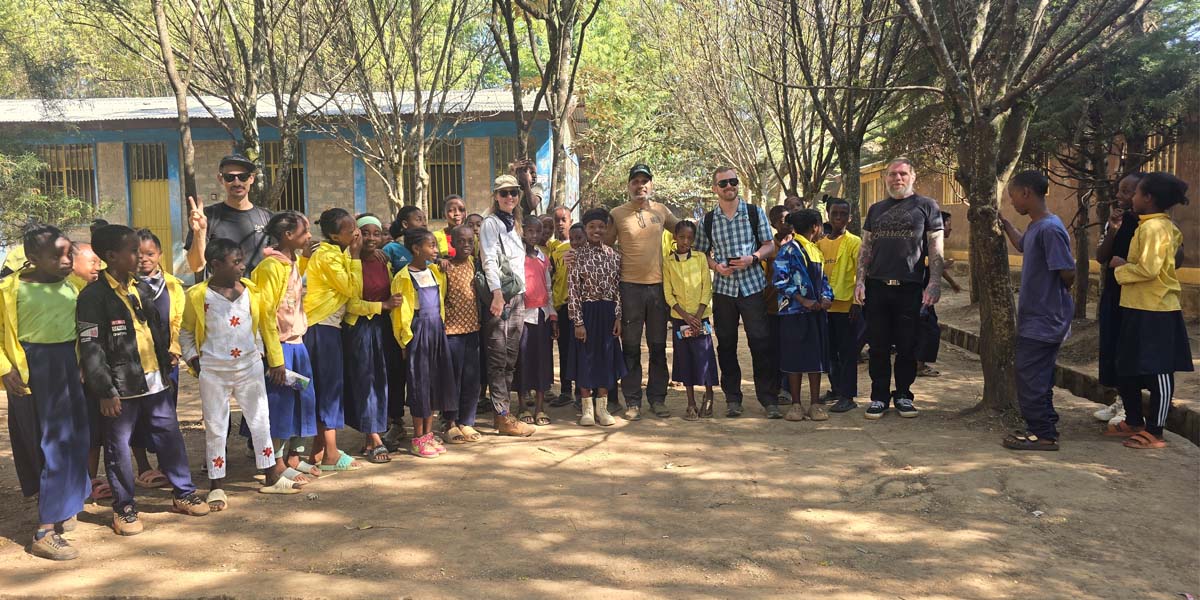
Royal is inviting the coffee community to help build a Digital Learning Center at the Yirgacheffe Coffee Farmers Cooperative Union community school. The lab will have 40 desktop computers, a server, networking equipment, a projector, and the software needed to provide students with a modern computer education. If you’d like to help build the Digital Learning Center, please consider purchasing select coffees and join us in supporting YCFCU’s vision for the next generation.
Buy Great Coffee and Help Build a Digital Learning Center in Ethiopia
Atlas Coffee
Q Arabica Grader Course, October 22-23, 2026
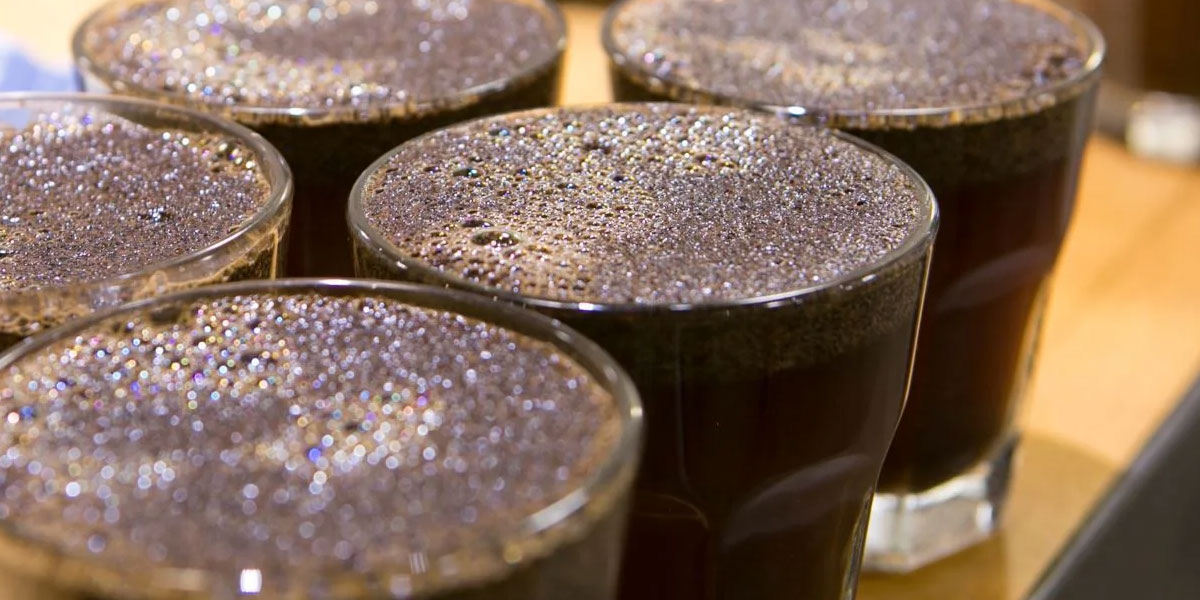
The Q processing Level 1 (Generalist) course is a 2-day event consisting of lectures and comparative cupping exercises. It is designed for coffee professionals who do not actively work in processing but can benefit from greater depth of knowledge in this area – namely roasters, retailers, and baristas. The course provides a scientifically informed body of general knowledge about coffee processing techniques, addressing subjects such as the history of processing, coffee plant anatomy, processing methods, fermentation, drying, and future challenges. A written exam will be administered to measure competencies in the subject matter and a passing score will result in a Q Processing Generalist Certificate.