





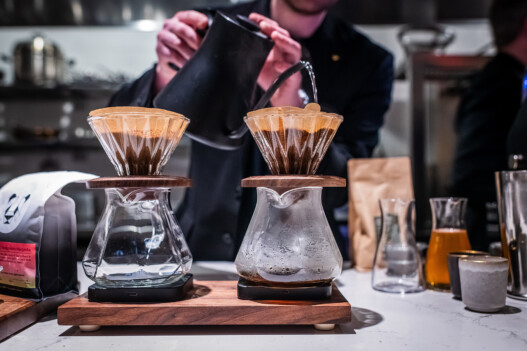
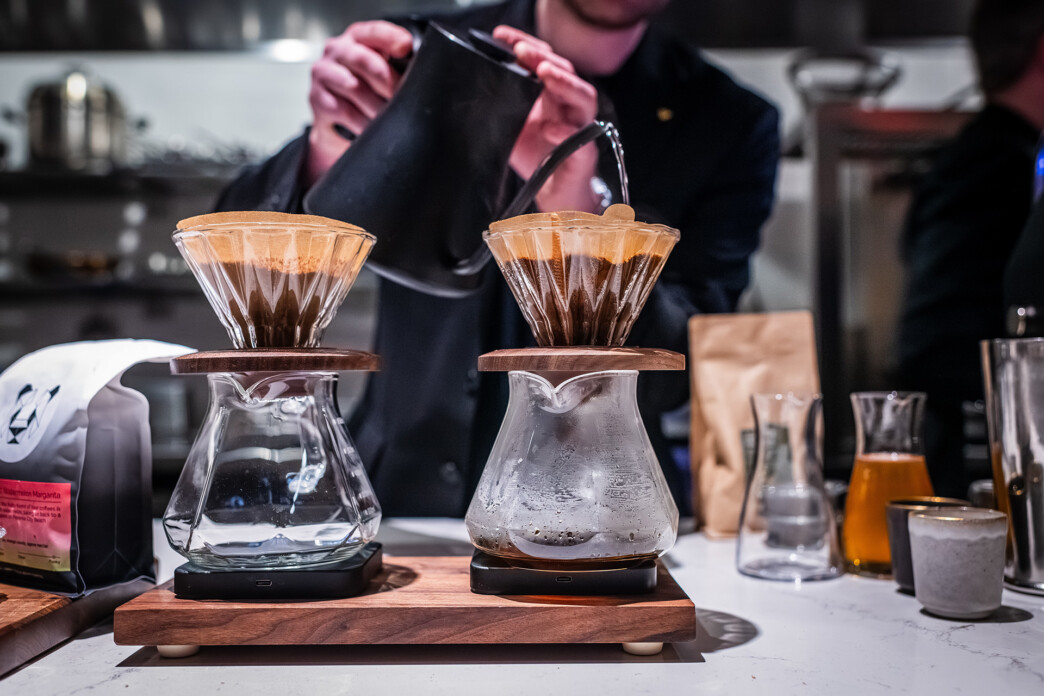
If specialty coffee’s foray into fine dining were fashioned into a fairy tale, it would be Cinderella.
For decades, convenience and cost have been the stepsisters relegating coffee to breakfast service and the final moments of dinner, where it has been valued more for its ability to stimulate alertness and aid digestion than for its flavor. Coffee deserves better, and so do its drinkers. The craft, care, and intention behind exceptional coffee deserve to be made visible and valued for the role they play in the meal.
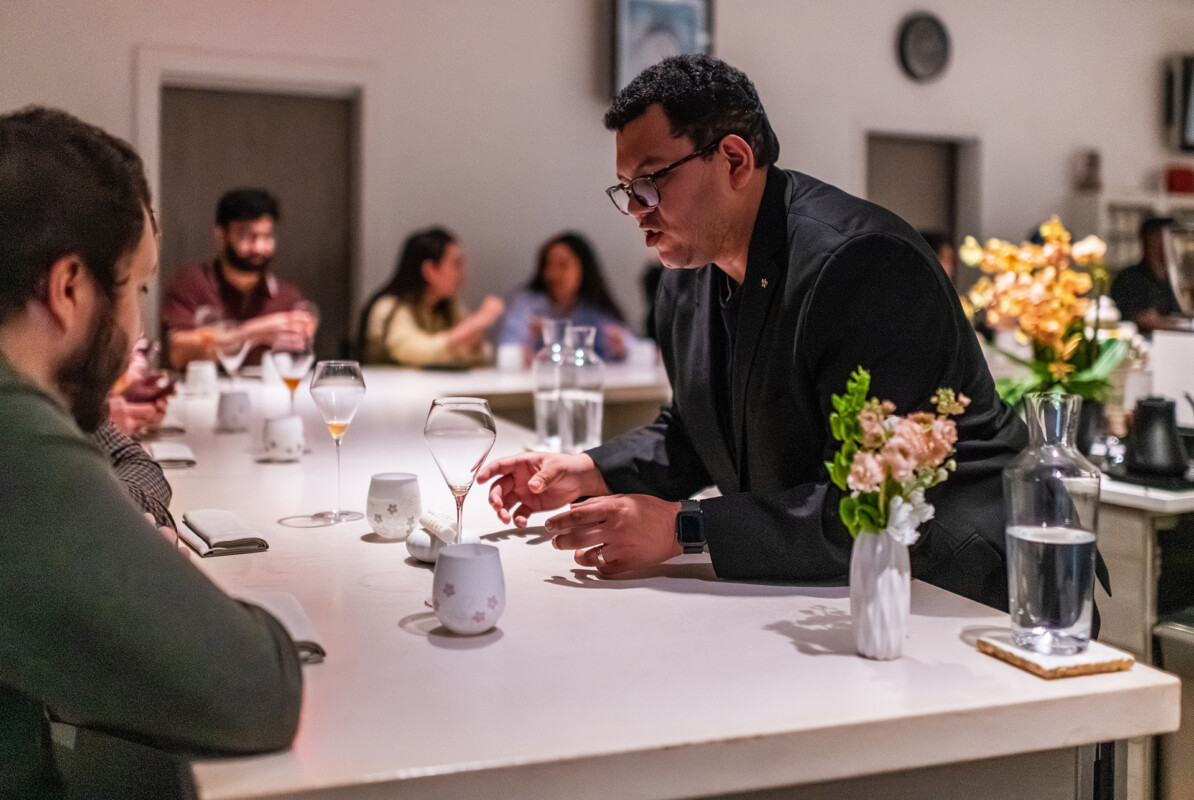
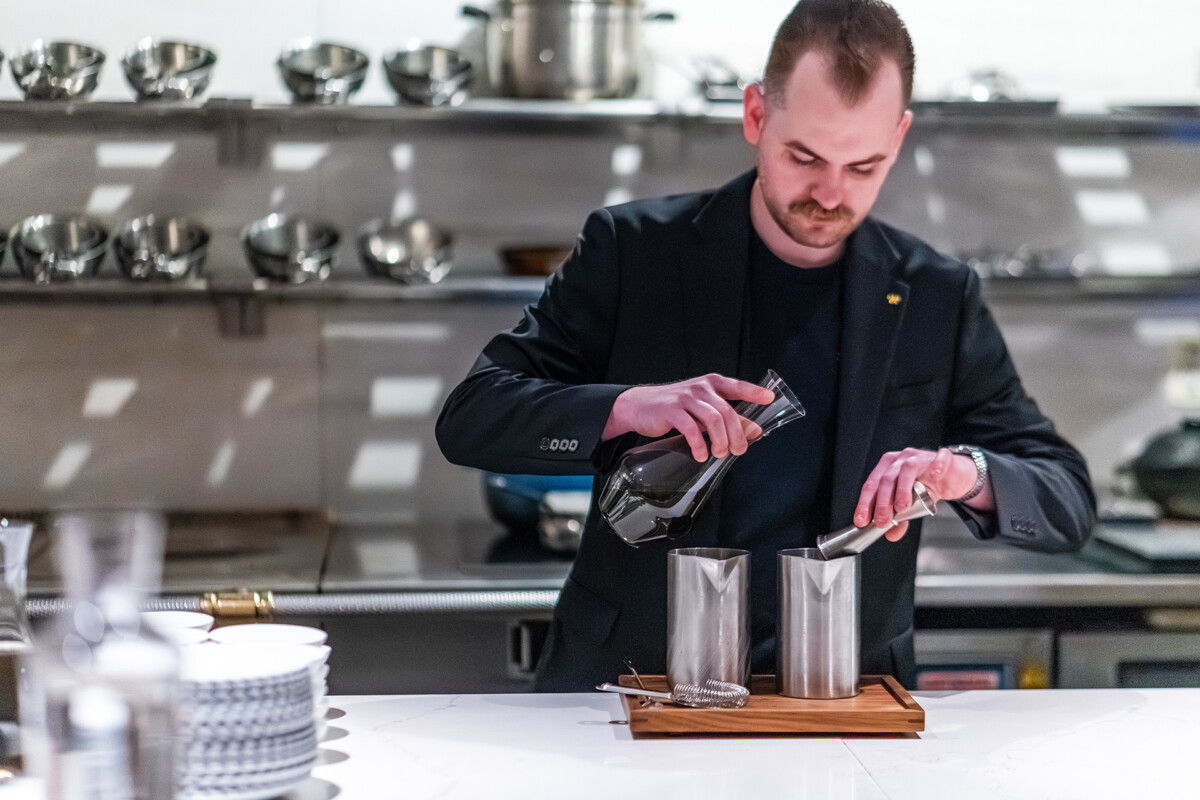
Enter Jônt, a 17-seat tasting counter on Washington, D.C.’s 14th Street corridor. Opened in 2021, the self-described “food lab” earned two Michelin stars within its first four months of service. Helmed by Executive Chef and Owner Ryan Ratino, Jônt offers a progressive tasting menu in pursuit of dynamic flavor experiences, with clear influences from Japanese cuisine. Best of all, Ratino’s definition of cuisine is broad enough to include specialty coffee.
The idea for Jônt’s Coffee Omakase began in Tokyo. During a recent visit to Japan, Chef Ryan experienced Cokuun, an intimate, reservation-only coffee omakase created by 2014 World Barista Champion Hidenori Izaki and three-time WBC Finalist and 2017 Runner-Up Miki Suzuki. Cokuun’s mission is to elevate coffee to the level of fine dining by repositioning coffee as an ingredient. Ratino returned to Washington inspired by the experience and convinced that, when given the opportunity, people would embrace the chance to sit with coffee the way they sit with wine: slowly, attentively, and with curiosity.
That conviction became reality in January 2026, when Jônt’s leadership team, including Director of Restaurants Andrew Elder, began planning a coffee omakase of their own. The vision was a curated progression of coffees presented with the same precision as the tasting menu, each pour highlighting origin, roast, brewing technique, and pairing potential. Once the beverage menu was established, the food pairings followed. The coffees would be the main characters, not the supporting cast.
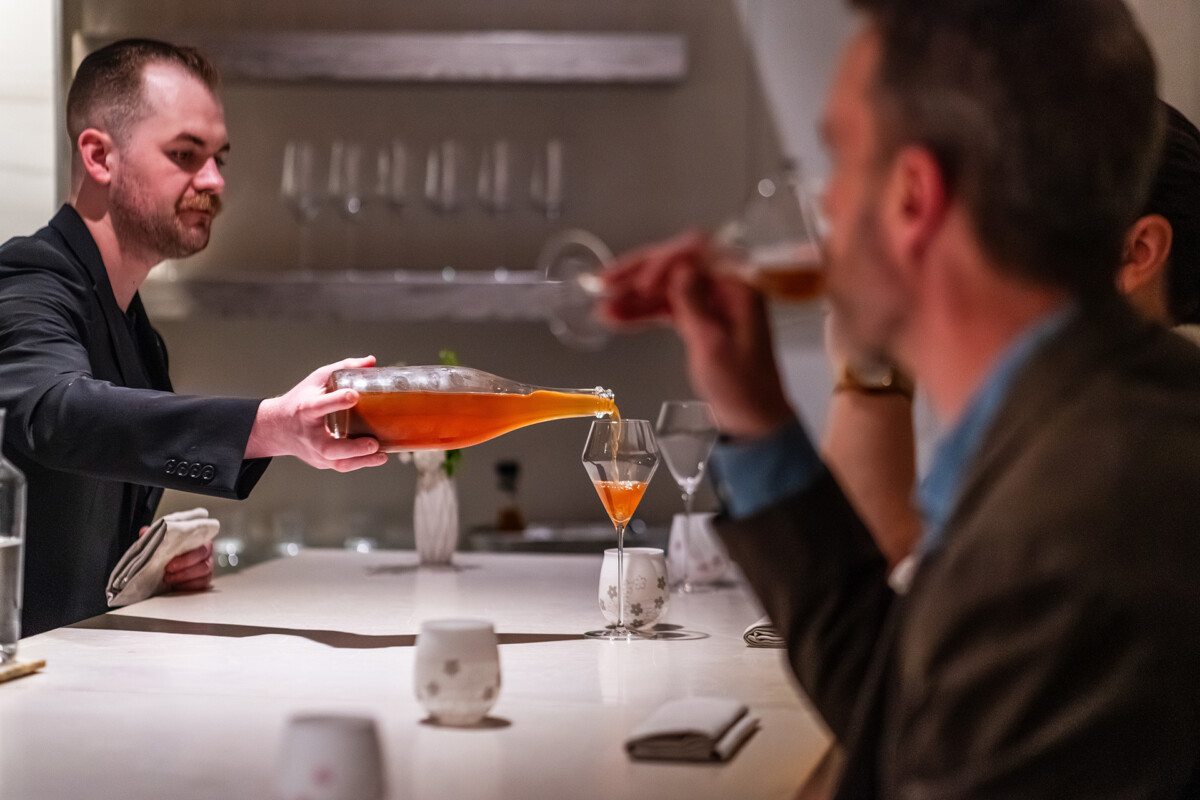
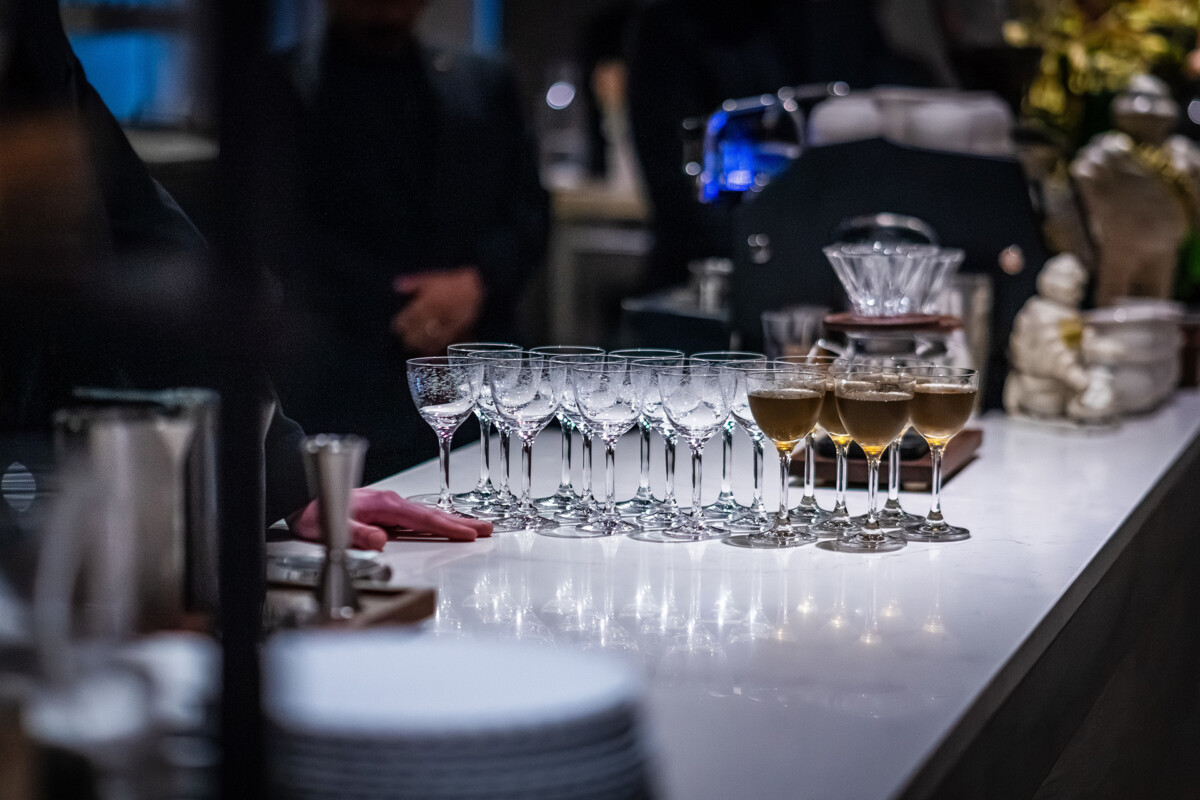
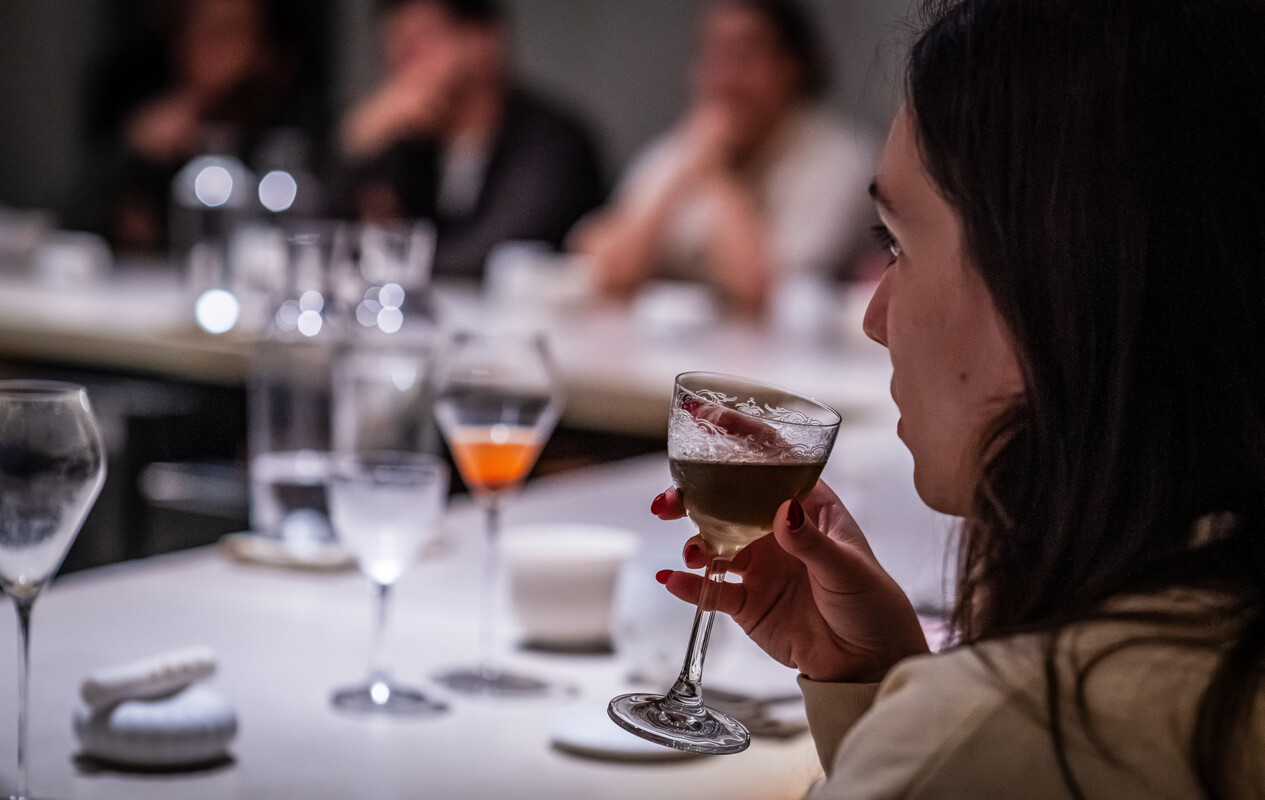
Recently, Jônt unveiled a six-course offering built around a three-plus-three formula: three foundational beverages designed to explore coffee from fruit to seed, followed by three composed beverages that demonstrated coffee’s versatility through seasonal ingredients, each partnered with a small bite.
The foundational beverages course began with a Cascara Kombucha paired with a chocolate cookie, followed by a Green Coffee Juice made from unroasted coffee husks served with beef and nori, and finished with a Pour-Over presented with a caviar tiramisu.
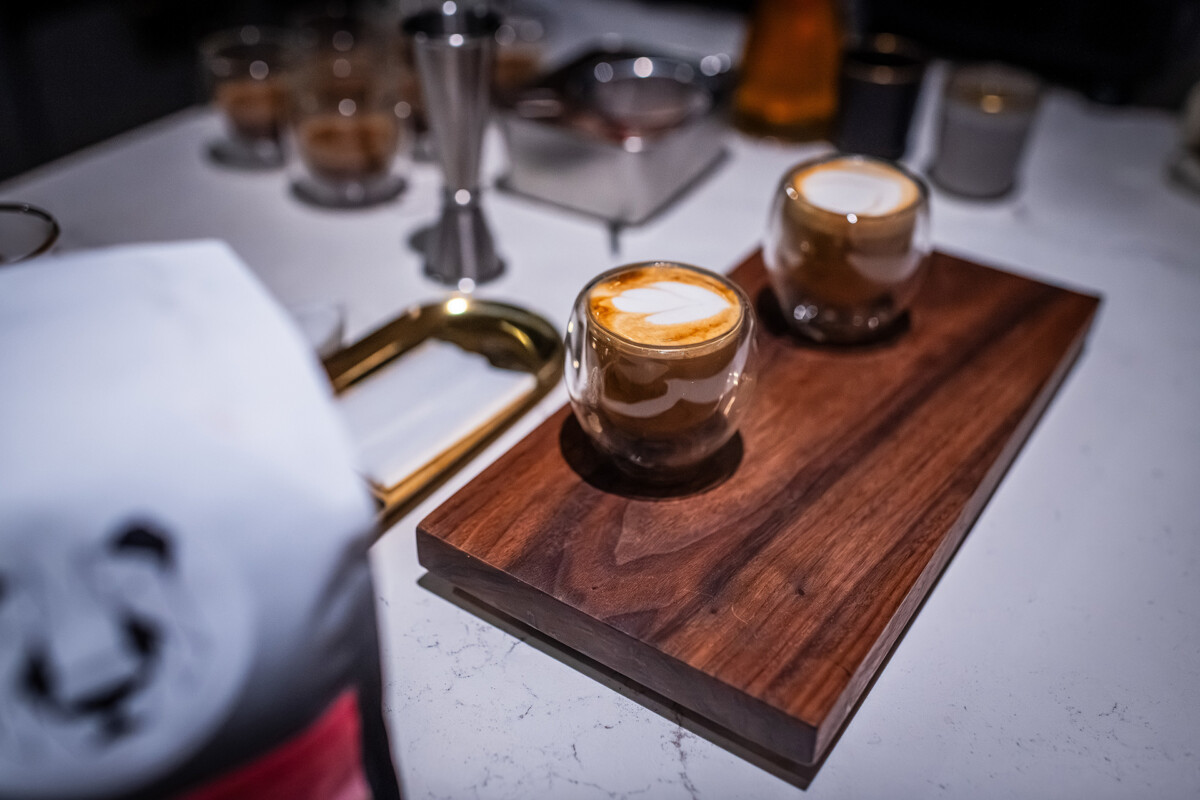
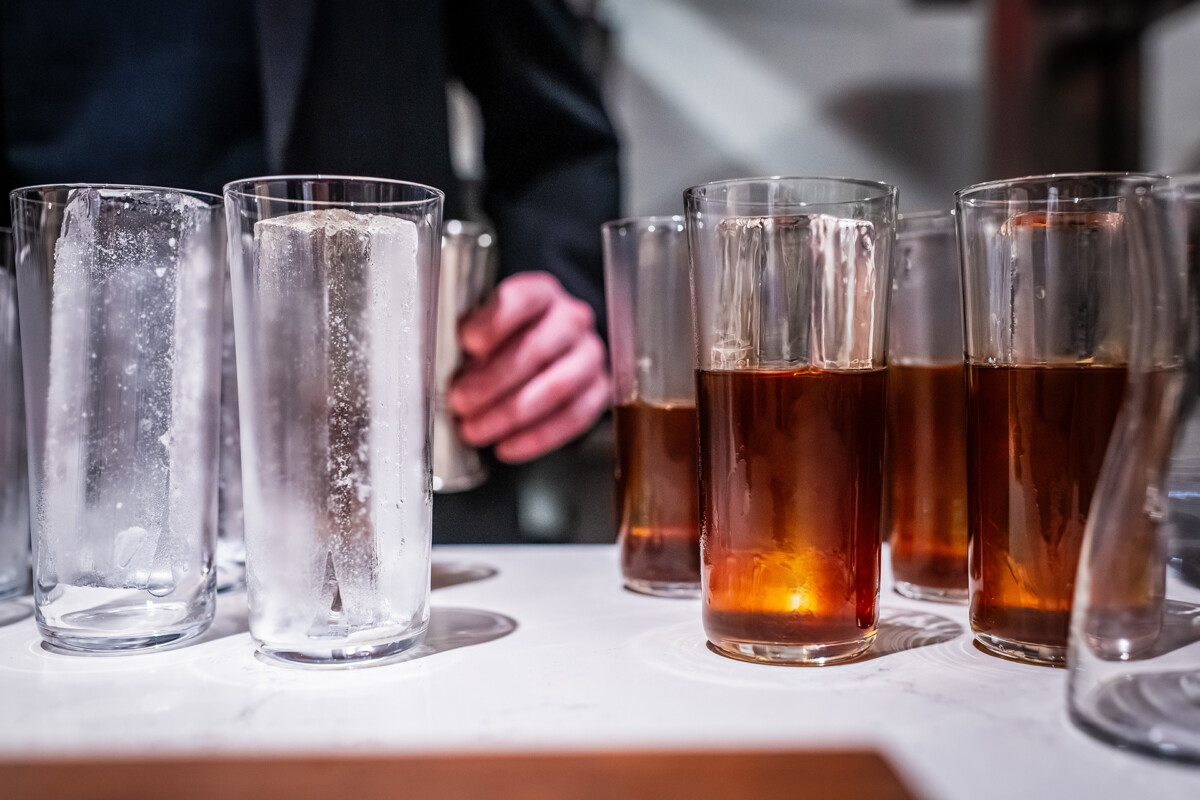
The composed beverages course began with a Cold-Brew Tonic paired with foie gras and strawberry, followed by a Rhubarb Shakerato served with kouign-amann (a yeasted dough similar to a croissant), and finished with a Peach Cortado served with cobber.
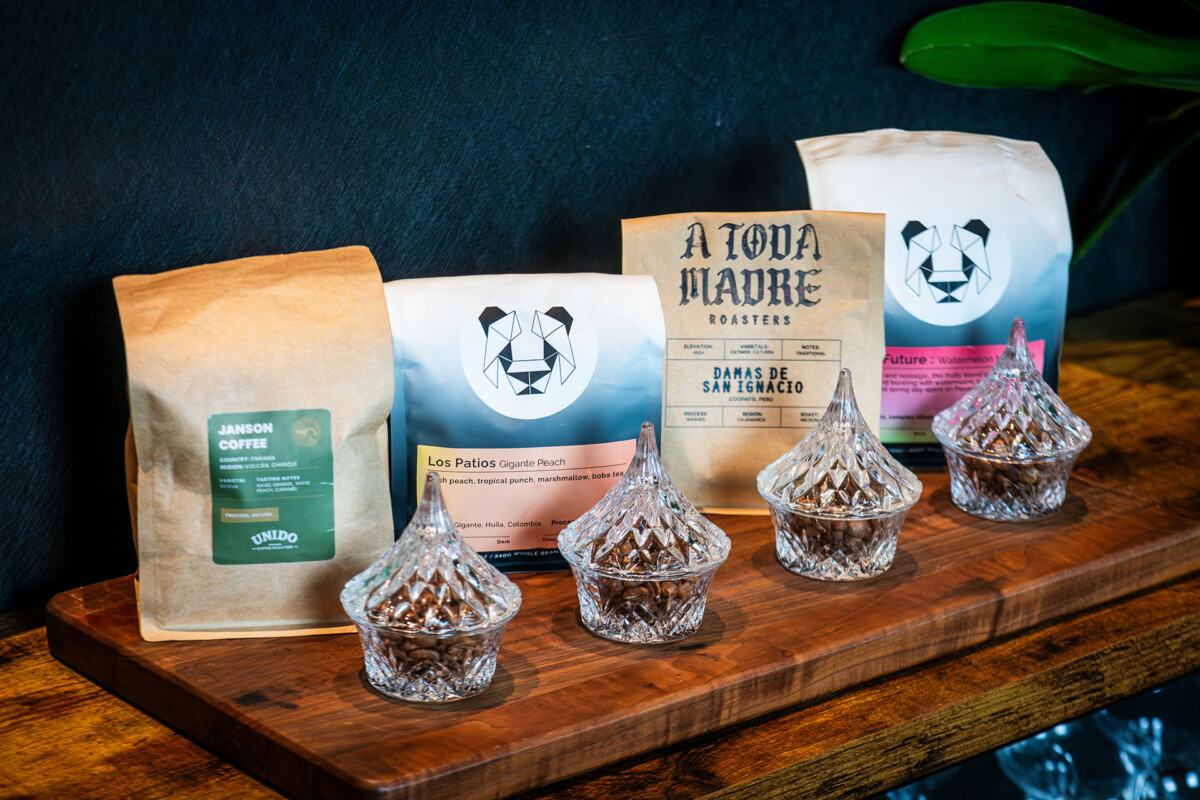
The coffees featured were single-origin blends and single-producer lots representing Colombia, Panama, and Peru, including:
- A washed Catimor/Caturra blend from the women-led Cooperative Agraria “Frontera San Ignacio” in Cajamarca, Peru, roasted by Gaithersburg, MD’s A Toda Madre Roasters
- A peach co-ferment Castillo from Coffee Quest’s Los Patios processing and research facility in Huila, Colombia, roasted by Raleigh, NC’s Black and White Coffee Roasters
- A multi-region variety blend from Colombia, including Caturra and Bourbon watermelon co-ferments from Huila’s Rodrigo Sanchez, a lemongrass Caturra co-ferment (IPA lot) from Quindío’s Sebastián Ramirez, and a yeast-inoculated anaerobic Gesha from Huver Castillo, roasted by Raleigh, NC’s Black and White Coffee Roasters
- A natural process Gesha from Jason Family Coffee in Chiriqui, Panama, roasted by Washington DC’s Cafe Unido
Success for Jônt is not be measured solely by guest satisfaction. Instead, it’s evaluated by guest engagement. “Everyone loves learning, whether they agree with that statement or not,” says Elder.
That belief became the guiding principle behind the experience. The goal was not simply to serve exceptional coffee, but to create an environment where guests could explore it more deeply—to understand how processing, roasting, brewing, and pairing shape flavor and perception.
According to Elder, the events demonstrated that the appetite for that kind of engagement exists. “We encourage guests to continue the experience of brewing better coffee at home,” he says. “If asked, we’ll share information about the coffee, including where they can find and order it. We find that very powerful.”
For a restaurant whose coffee program once functioned primarily as a companion to dessert, the evolution has been significant. When Jônt first opened, coffee and tea menus were “dropped” at the end of the meal. Today, the team envisions coffee playing a much larger role in the guest experience.
If a guest chooses not to drink alcohol—or simply expresses interest in coffee from the outset—the restaurant can now offer a progression of distinct coffee preparations throughout the experience. Coffee is no longer an endnote to the meal. It has become part of the conversation.
For Jônt, that conversation may eventually extend beyond the dining room. The leadership team envisions a dedicated concept that combines a café in the front with an omakase counter in the back. No timeline has been announced, but the ambition is clear.
“Knowing how this company works,” Elder says, “it’s going to happen. We’re waiting for the right opportunity.”
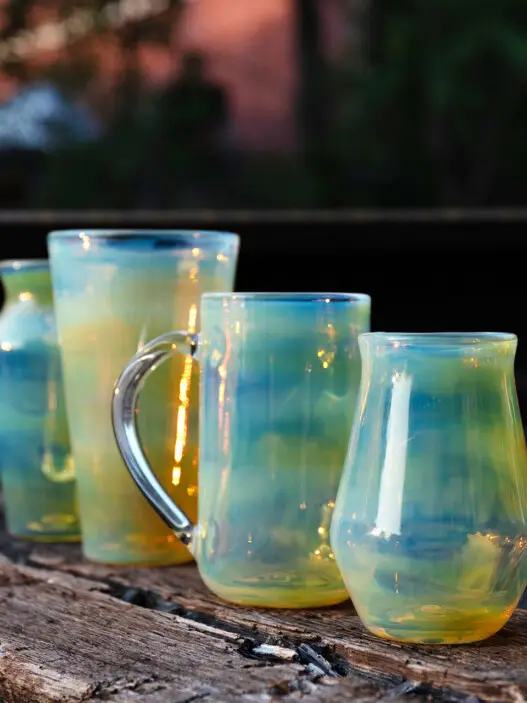
Jônt has proven that thoughtfully presenting specialty coffee in a fine-dining setting needn’t be as difficult as the Prince’s search for Cinderella and her glass slipper. Until more restaurants follow suit, coffee lovers may need to keep an eye out for smaller clues: a menu that names the producer and farm alongside the coffee, a creatively paired course, or even an espresso served in a double-wall demitasse glass. Whatever form it takes, the signal is the same: coffee is being treated with the same craft, care, and intention as the rest of the meal.
At Jônt, specialty coffee’s happily-ever-after is no longer a fine-dining fairy tale future. It’s here.
Brian Gaffney (@coffee_aligned) is a coffee professional and founding board member at the Coffee Coalition for Racial Equity. Read more Brian Gaffney for Sprudge.
Photos by Rey Lopez