




New York, Berlin, Tokyo, and other metropolitan cities around the world have been strongly shaped by their public transport systems since the 19th century. Main railway stations, subway stations, and tram stops channel commuters and tourists through the city, carrying them past the same newspaper stands and kiosks that have supplied cities with newspapers and magazines, alcohol and tobacco products, as well as snacks and lottery tickets.
But ever since more and more people began consuming their news on smartphones, and the sale of alcohol and tobacco products became subject to increasingly strict regulations, the traditional kiosk model at transport stops has come under growing economic pressure. Instead, food and beverage concepts tailored to commuters’ short waiting times and their demand for high-quality takeaway products have gained importance. Specialty coffee in particular has an opportunity to benefit from changing consumer behavior in today’s urban centers. In some cities, this transformation is already being actively promoted.
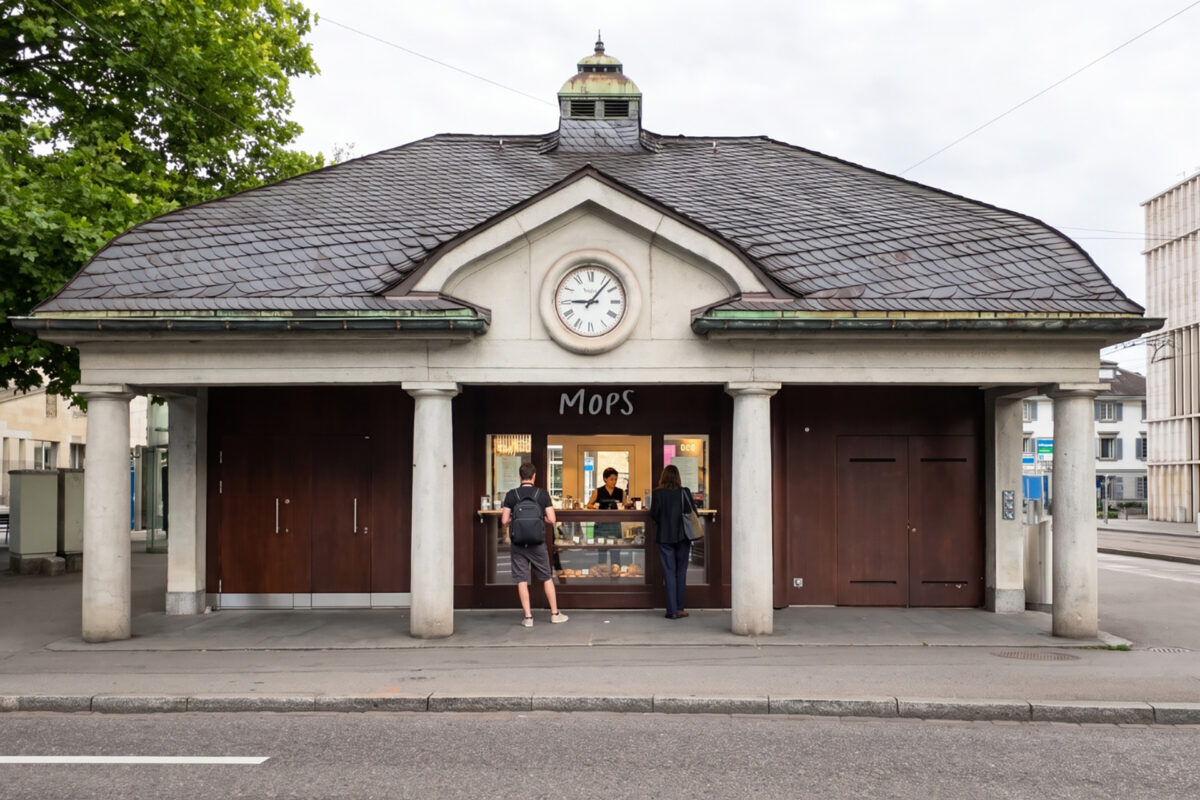
In Zurich, Switzerland, this transformation can already be observed at several busy public transport stops. The Kunsthaus stop is located at the cultural heart of the city. Between the Pfauen theatre, the baroque Schauspielhaus and David Chipperfield’s extension to the Kunsthaus stands, since 1911, a pavilion known locally as the überfütterte Mops—literally the overfed pug—as it is mockingly called because of its oversized roof. Alongside a public toilet and seating, the building has always housed a kiosk, most recently operated by a subsidiary of VBZ, Zurich’s public transport operator.
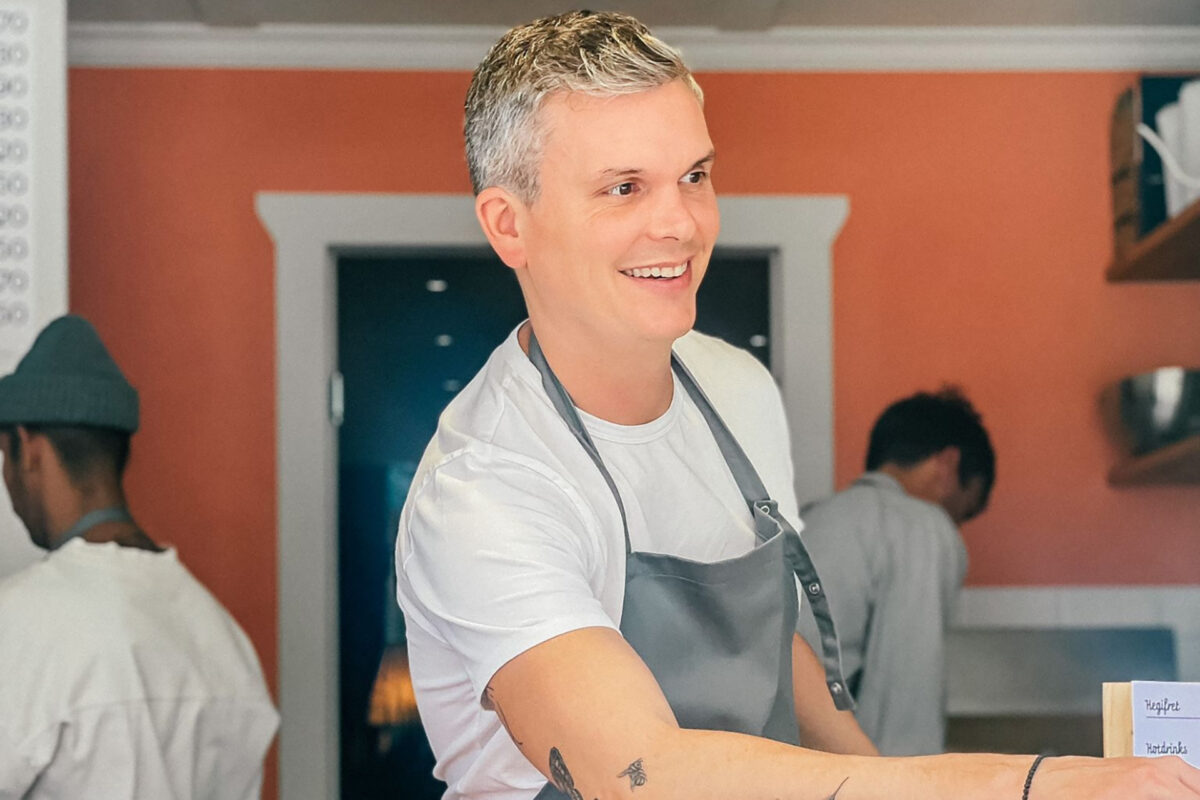
Today, however, it no longer sells newspapers. Instead, it serves flat whites. Instead of tobacco products and alcohol, visitors now find specialty coffee and matcha lattes. Since March, the pavilion has been home to Mops, named after the nickname of the historic tram shelter. One of its co-founders is Fabian von Rechenberg.
“We want to help make our city of Zurich an even more beautiful place,” says the hospitality entrepreneur. “Commuters who pick up something to take away on their way to work give us a great start to the morning. But local residents and people working nearby probably have an even bigger impact on our revenue, even though I don’t have any specific figures.”
The fact that quality-focused coffee shops have been able to move into several attractive locations is no coincidence. It is the result of a deliberate new direction taken by VBZ, which intentionally chose not to renew all expiring leases, but instead put them out to tender again in order to respond to the changing needs of the city’s population.
“Demand for high-quality coffee, snacks, and takeaway offerings has increased significantly in recent years, while demand for traditional kiosk products such as newspapers and magazines has declined significantly,” says Judith Setz, media spokesperson for Zurich’s public transport operator. Product quality and the overall concept were decisive. Operators had to clearly respond to “to go, specialty coffee, snacks” while offering added value.
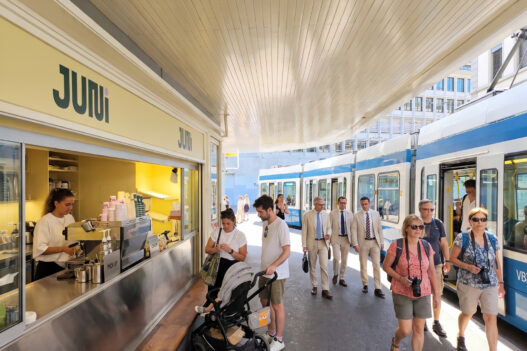
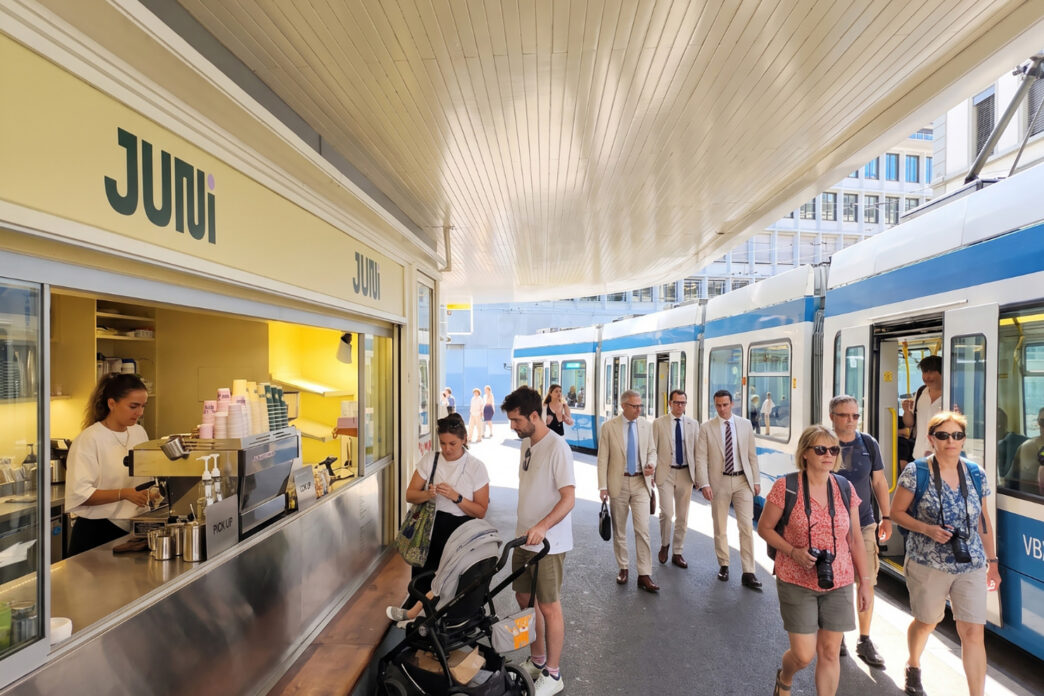
According to von Rechenberg, his cafes, Mops, the Juni coffee window, and Murphy’s, won the tender because “we have a local and sustainable concept that works. Zurich’s public transport operator cannot speculate on high turnover rents or riskier niche concepts that have not yet established themselves. They have a responsibility towards our city to achieve the best possible outcome for all of us without speculating.”
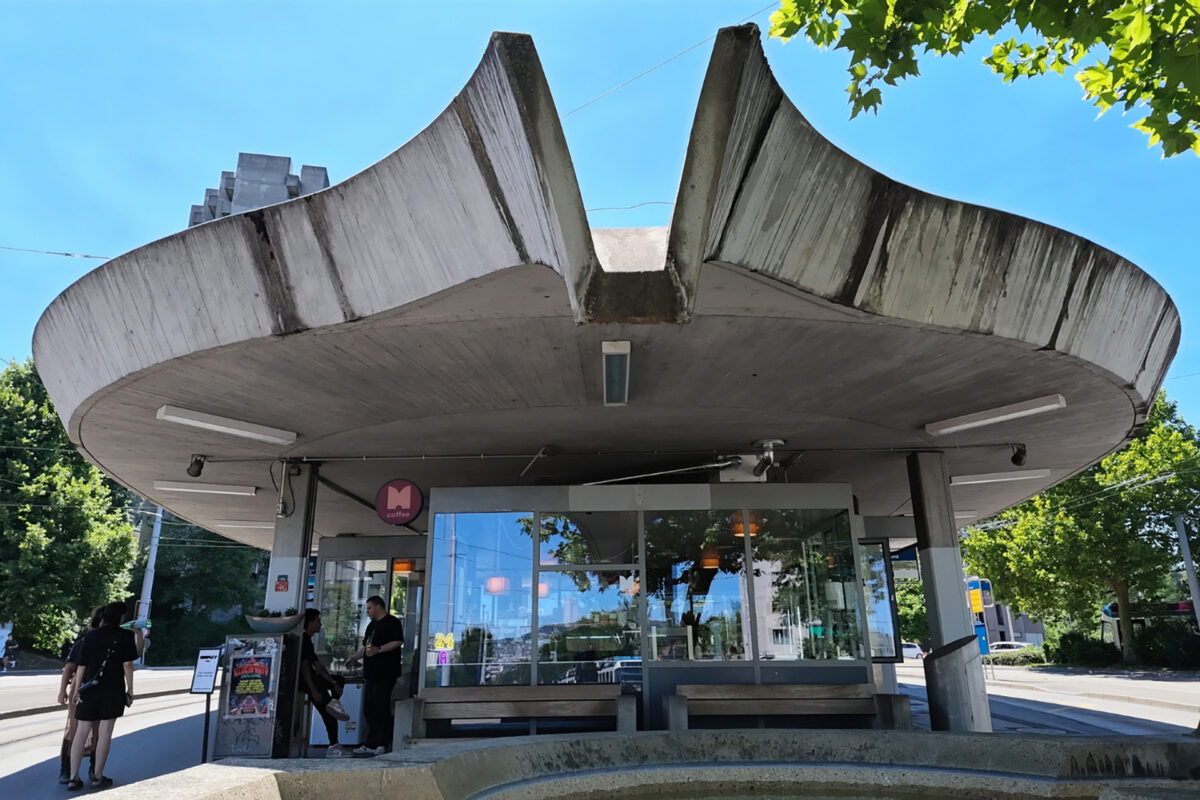
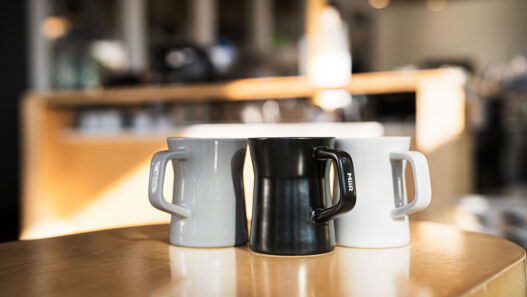
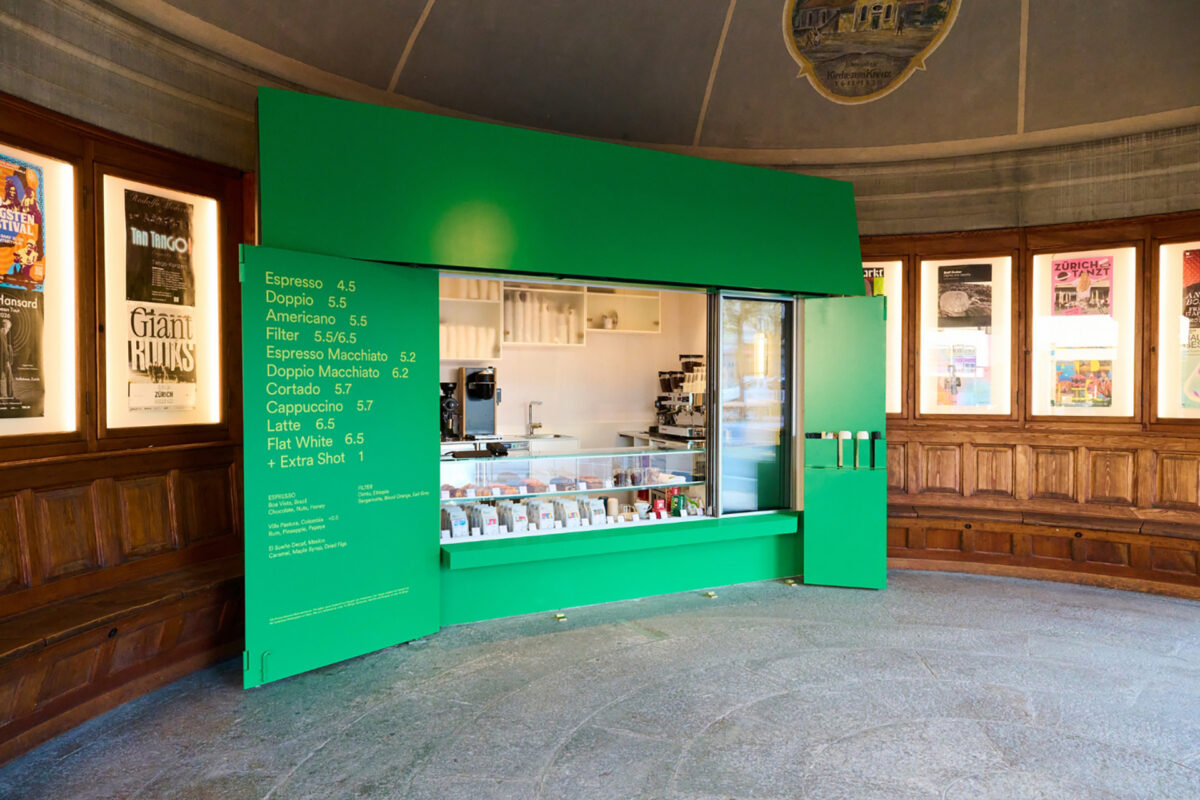
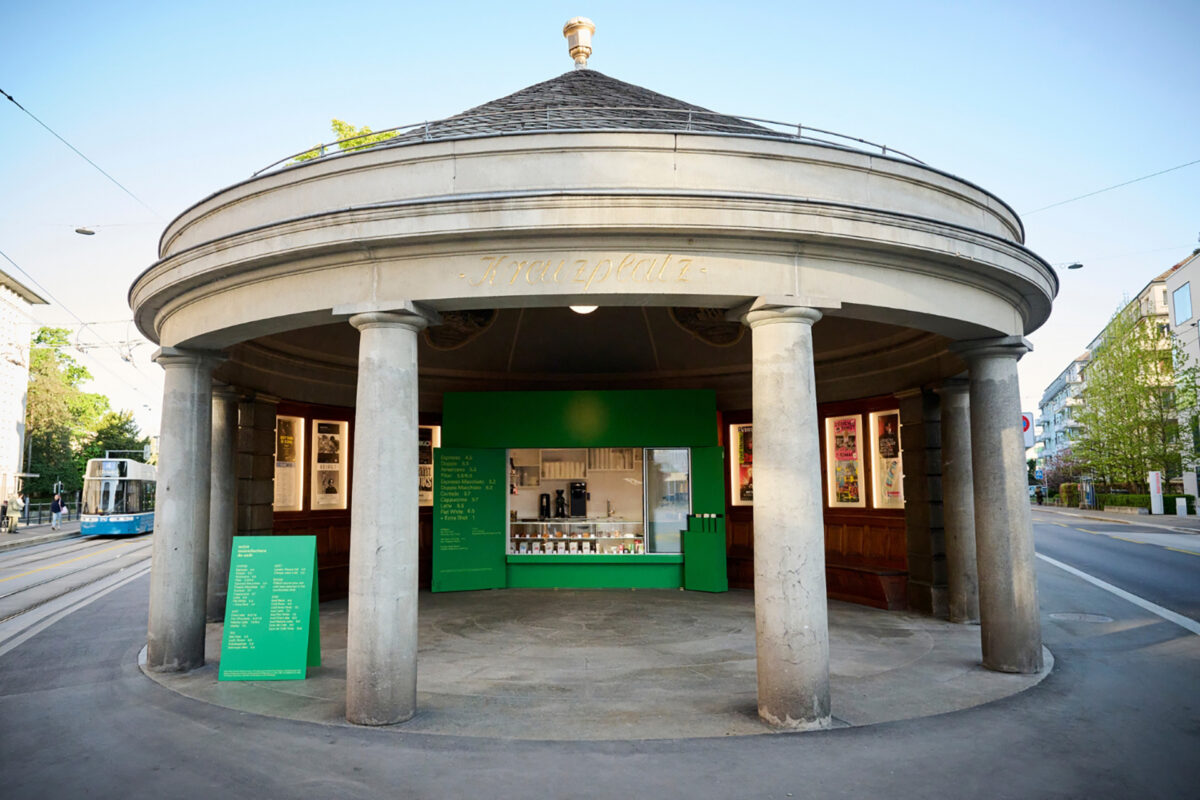
The fourth location is the tram shelter at Kreuzplatz, built in 1918 by architect Friedrich Fissler, who also designed the Overfed Pug. Decorative wall paintings still tell the story of the surrounding neighborhood. At the end of April, Miró Manufactura de Café, one of the city’s specialty coffee pioneers, opened its fourth cafe there.
With its bright green design, Miró attracts pedestrians and passengers into the historic pavilion, serving not only batch brews and cappuccinos, but also offering visitors the opportunity to engage with a piece of the city’s history during the two or three minutes before the next tram arrives.
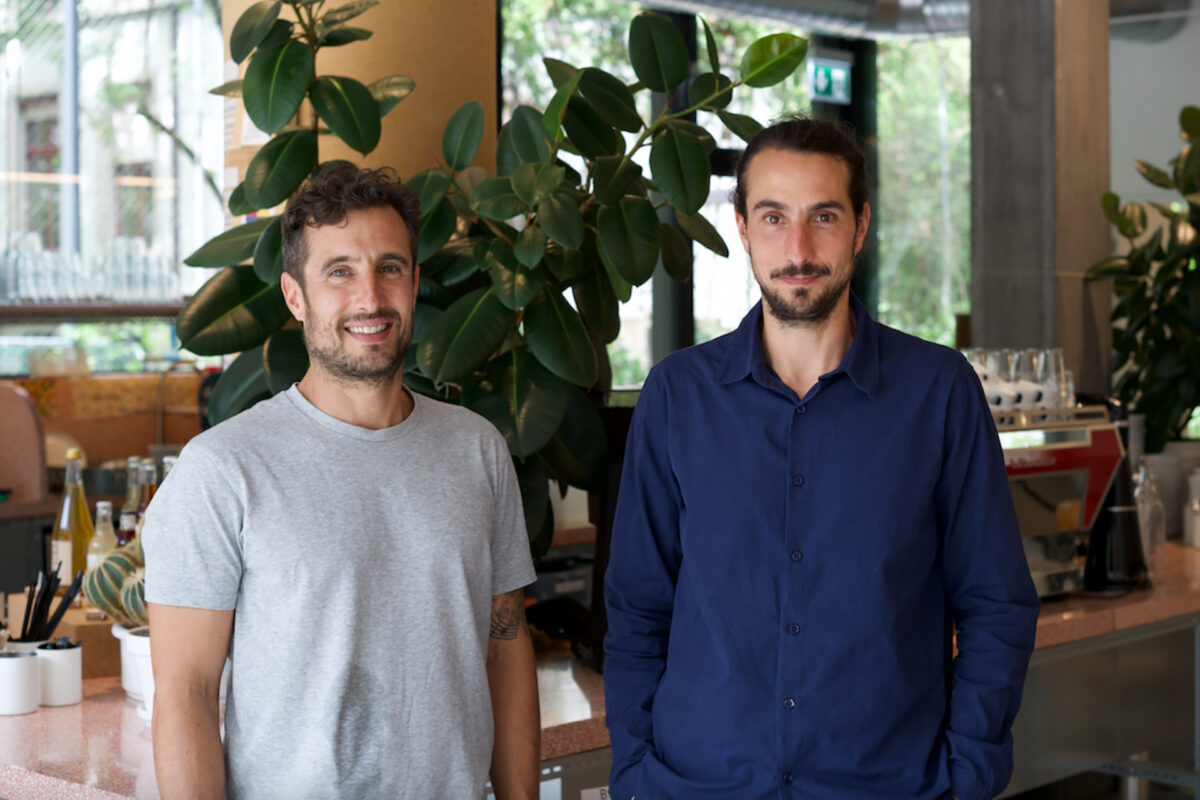
“Tram stations are ideal for convenience consumption because they are characterized by a constant flow of people,” says Dani Sanchez, who founded Miró together with his brother David Sanchez in 2013. “At the same time, the location sits within an established neighborhood, which is very important to us. The historic character of the tram shelter and its transformation into a contemporary Miró cafe was exciting for us and our architect right from the beginning.”
Zurich is a particularly visible example of the transformation of spaces that were once occupied by kiosks and where people can now enjoy high-quality coffee. In Switzerland, it is enough to visit the country’s largest railway stations to find further examples.
In Basel, for example, Kaffeemacher has opened a two-story cafe inside the Swiss Federal Railways (SBB) station, the city’s main railway station, where it offers specialty coffee courses alongside serving coffee. As at other major railway stations across Switzerland, SBB approached well-established local coffee companies and encouraged them to serve their high-quality coffee in these high traffic locations.
In Copenhagen, Roast Coffee operates a location directly beside Vesterport Station in a compact, kiosk-like structure that previously housed a 7-Eleven. And in London, Rosslyn Coffee opened its ninth cafe just a few weeks ago.
What all of these specialty coffee concepts have in common is that they operate from small retail spaces with high customer volumes, offering a focused coffee menu designed for fast consumption on the go, whereas kiosks and stores such as 7-Eleven rely on a broad product range.
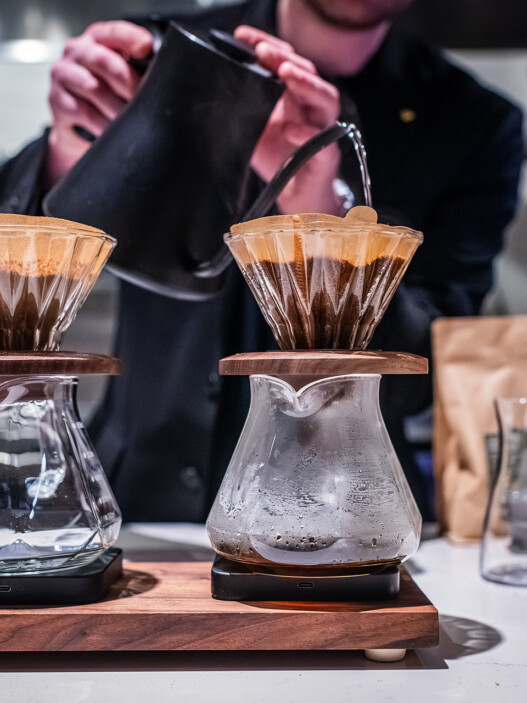
At the same time, it becomes clear that this transformation is taking different paths. In Zurich and at Switzerland’s main railway stations, it is actively driven by the transport operators. Elsewhere, specialty coffee concepts integrate themselves into the existing infrastructure. Specialty coffee is becoming increasingly important in these locations. Few products are as well suited to the conditions of busy transport hubs as coffee. In many places, specialty coffee operators have reached a level of maturity that allows them to prepare high-quality coffee quickly and produce it efficiently through standardized workflows before the next tram or train arrives.
Traditional kiosk spaces are unlikely to disappear entirely, but they will increasingly be complemented or partly replaced. Overall, there are strong indications that specialty coffee concepts will become an ever more integral part of the urban infrastructure that shapes the rhythm of modern cities.
Joscha Gewinner is a freelance journalist and roaster based in Switzerland, where he runs Beanwatch.
Photos provided by the cafes, used with permission