




The fun in the sun has concluded. The days are shortening and everyone is moving inside for warmth. Which means that our time with the Build-Outs of Coffee has come to a close. Like the summer itself, this year’s Builds couldn’t be confined to a mere three-month stretch. The 2026 edition started in May and ran all the way into October if you can even believe it. That’s four-plus months of hot new cafes spanning the entire world.
All good things, though, must come to an end. But not without one last look back. As has become an annual post-Build-Outs tradition around these parts, we’re diving into the Build-Outs of Coffee by the numbers. We call it the Analytics of Autumn.


What are the trends? What are the surprises? Where is coffee headed in 2027? The Build-Outs of Coffee holds the clues. This year’s crop, 44 in total, offer an unadulterated look at the state of coffee shops, beyond the mission statements. So let’s dive in, shall we?
The 2026 Build-outs of Coffee is presented by DONA, Pacific Barista Series, and La Marzocco.
Where Are They Building?
The Build-Outs of Coffee is always an international affair, and this year was no different. A total of nine countries were represented this year (including America). What’s more, there are no overlapping countries amongst the other eight. They represent Central and North America, Europe, the Middle East, South and Southeast Asia.
Meanwhile, the American contingent takes the shape of a reverse bell curve geographically, with the East and West coasts being equally represented and at higher levels than the Central US. Major hotbeds this year were greater Los Angeles, Bay Area, and New York City, with Atlanta and Dallas providing multiple entries as well.
Who is Building?
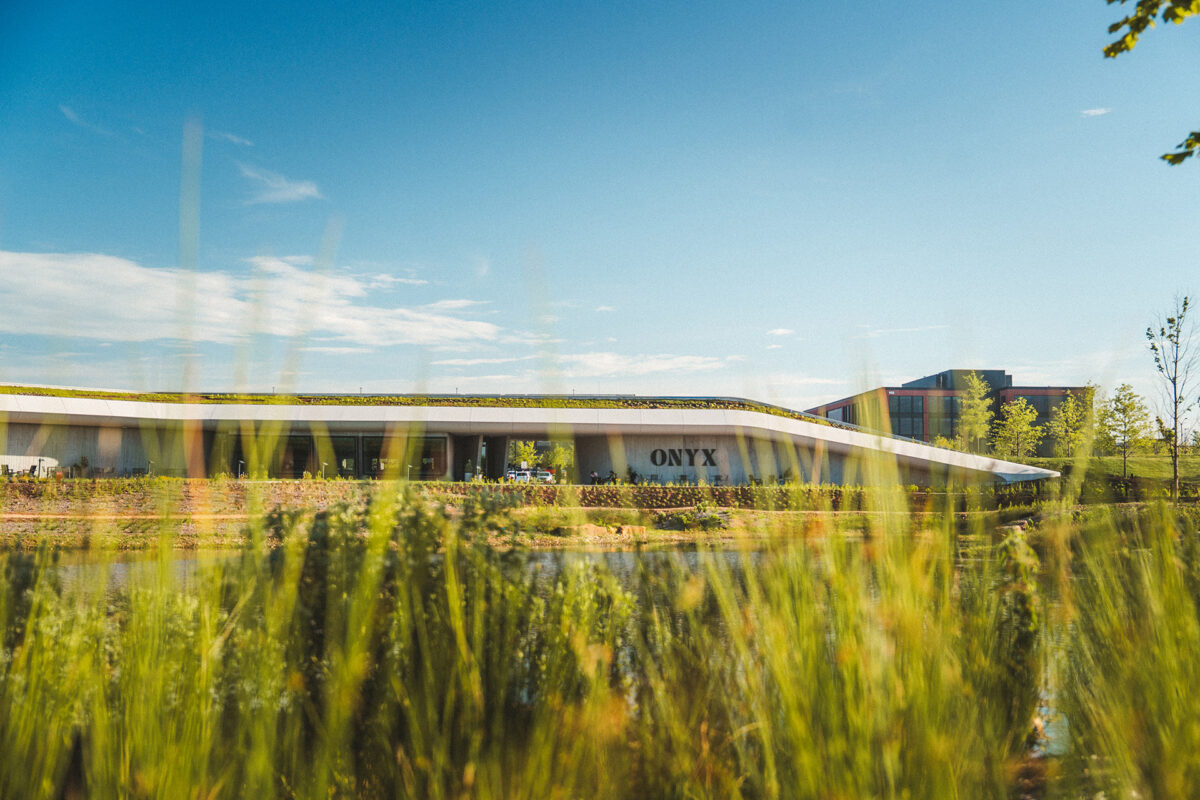
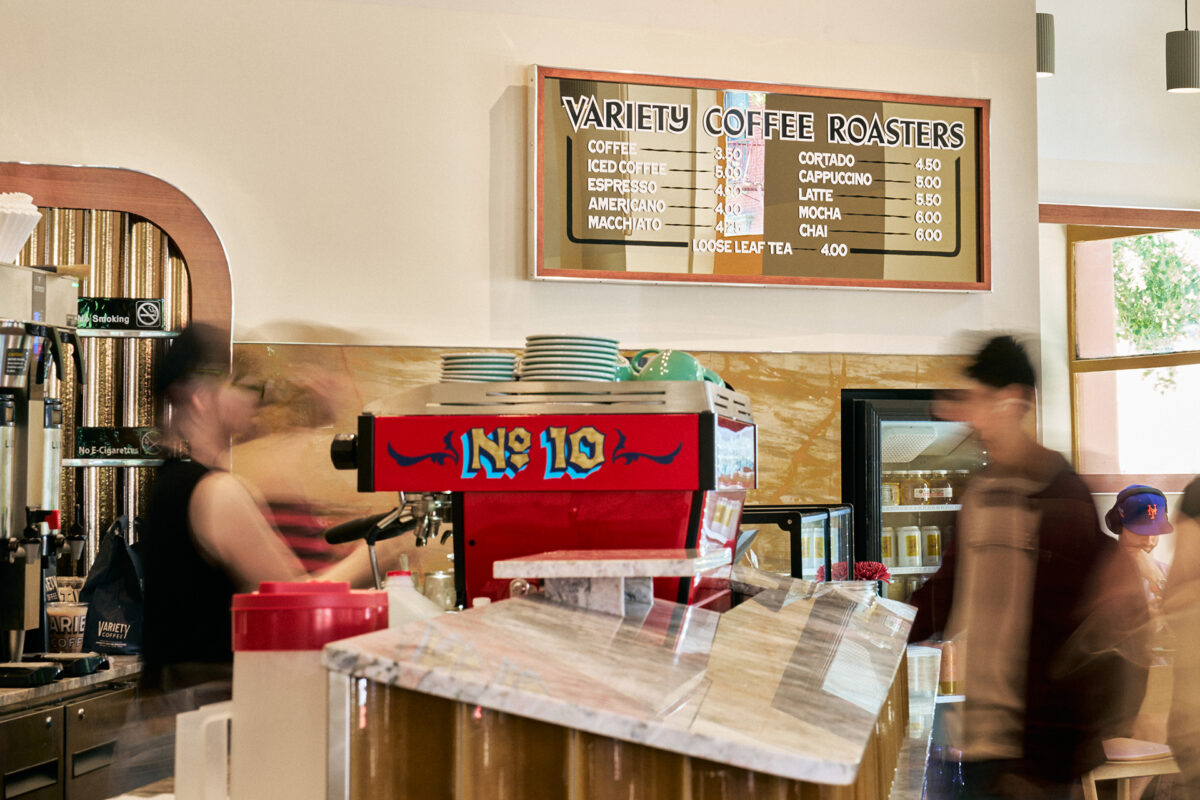
Last year it was the first-time cafes that ruled the day, comprising a majority of all Build-Out entries, but this year it was all about the established brands. 68% of all cafes this year were second locations and many of them were from some of the largest names in the industry. Onyx Coffee Lab, Madcap, Phil & Sebastian, Partners, Variety, Workshop, Sightglass, Ritual, Stumptown, these are are the folks leading from the front.
Relatedly, the big trend this year was in roaster-cafes. 78% of all Builds this year roast their own coffee; that number held for both first-time cafes and established brands. Meanwhile multi-roaster cafes only represented 14%, which makes sense given the stranglehold the roasters had this year. It is somewhat surprising given the seeming popularity of light and ultra-light roasts, which are often the hallmarks of the multi-roaster. (More about this later.) But maybe that’s just the vocal majority on the internet.
The Machines
As sure as the sun rises in the east and sets in the west so too is it that La Marzocco and Mahlkönig rule the espresso machine and grinder classes, respectively. But not without a bit of intrigue.
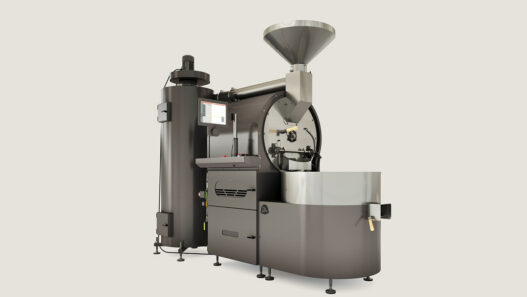
First up espresso machines, and La Marzocco once again felt little pressure at the top spot. The La Marzocco family of brands comprised two out of every three espresso machines listed in this year’s Builds. But, and here’s where it gets a little interesting, the Linea for the first time ever was not alone on the top. It shares that designation with the Modbar, each with eight. The closest non-La Marzocco brand was Slayer with five.
Similarly Mahlkönig remains the king of grinders. They represent exactly half of all grinders named in the 2026 Build-Outs of Coffee. But like with the Linea, the EK43, the erstwhile undisputed champion of grinders, it had company. There was a four-way tie for most frequent, each with six, and the EK was one of them. Mahlkönig represented two of the others, the E65 and E80. But the first ever non-Mahlkönig grinder to top the list is none other than the Weber EG1.
A Little Tasseography
So where is coffee right now and where headed in the coming year? According to the Build-Outs, one main trend emerges. And that is the death of pour-over. Perhaps death is a harsh word, but the data tells a story. Lattes keep the lights on, this much has always been true but pour-over coffee is mostly an afterthought. It starts with the aforementioned multi-roasters or lack thereof. More than any other cafes, these shops put a greater focus on brewed coffee, and in most cases that meant pour-over. Without those cafes, there aren’t a lot of shops there to carry that torch.
Of the total 44 cafes this year, only 23 even made any mention of their brewed coffee setup. And of those 23, 15 of them specifically mentioned only an automated or batch brewer as their filter options. Just six mentioned pour-over devices alone. (There was also a Curtis/Hario combo as well as a cold brew system in there.)
It’s not that these cafes don’t have pour-over or filter coffee in general, it’s that it doesn’t appear to be noteworthy. Taking it one speculative step further, it means shops are leaning heavily into what sells versus potentially what they want to serve. (Maybe I’m biased but I simply refuse to believe that coffee shop owners are so espresso-focused/disinterested in filter coffee.) Put another perhaps less-friendly way, coffee shops are becoming solely concerned with meeting customers where they are over leading the way. When the fact of the matter is you can do both. And what’s getting lost in the exchange are the people doing the things they are passionate about. We’re missing the wild expressions of coffee and service in favor of the middle of the road.
I’m not saying every cafe needs to have a 2010’s era multi-roaster program with nine different roasters and even more pour-over brewers (and all the suspenders, so many suspenders), but I’m saying there’s room for that too. Sure they’re still going to have to rely on the latte to keep the lights on, but hopefully they’re keeping the lights on so they can serve coffee how they want to.
Zac Cadwalader is the managing editor at Sprudge Media Network and a staff writer based in Dallas. Read more Zac Cadwalader on Sprudge.
The 2026 Build-outs of Coffee is presented by DONA, Pacific Barista Series, and La Marzocco.