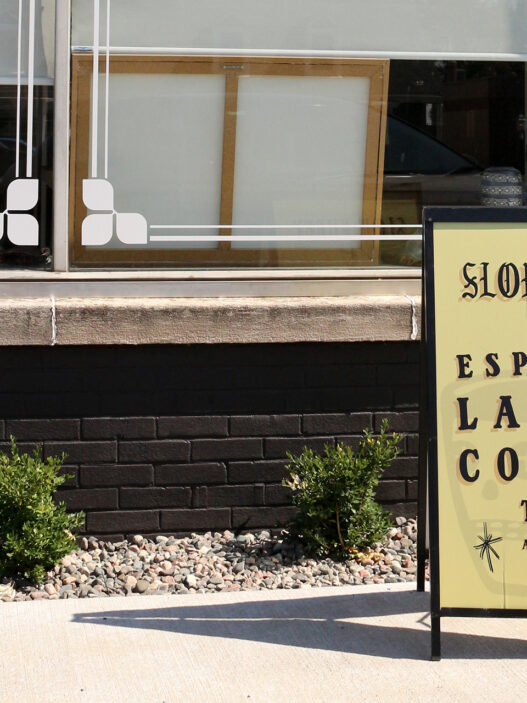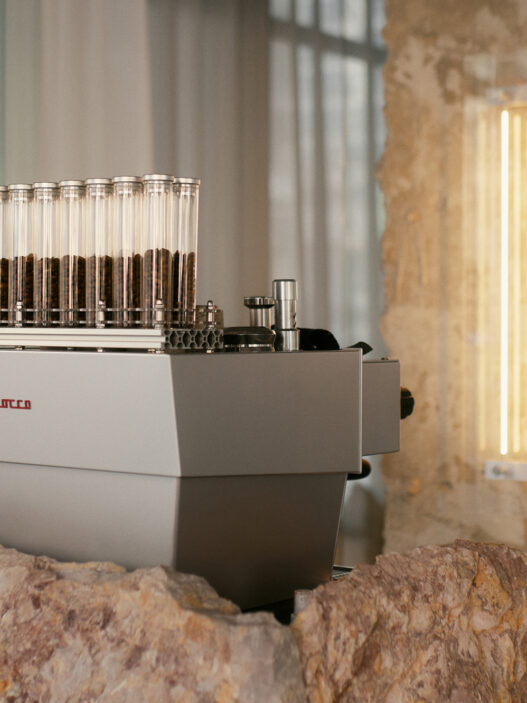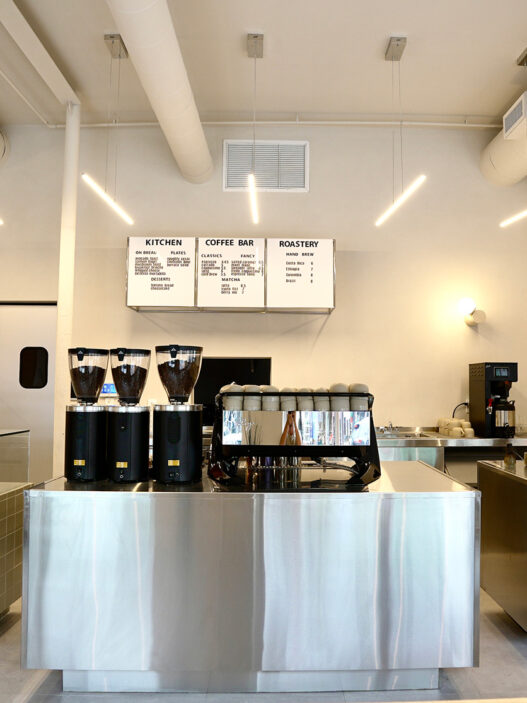





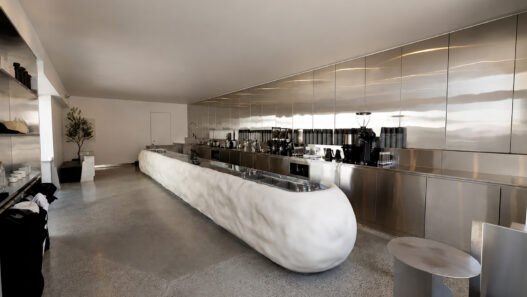

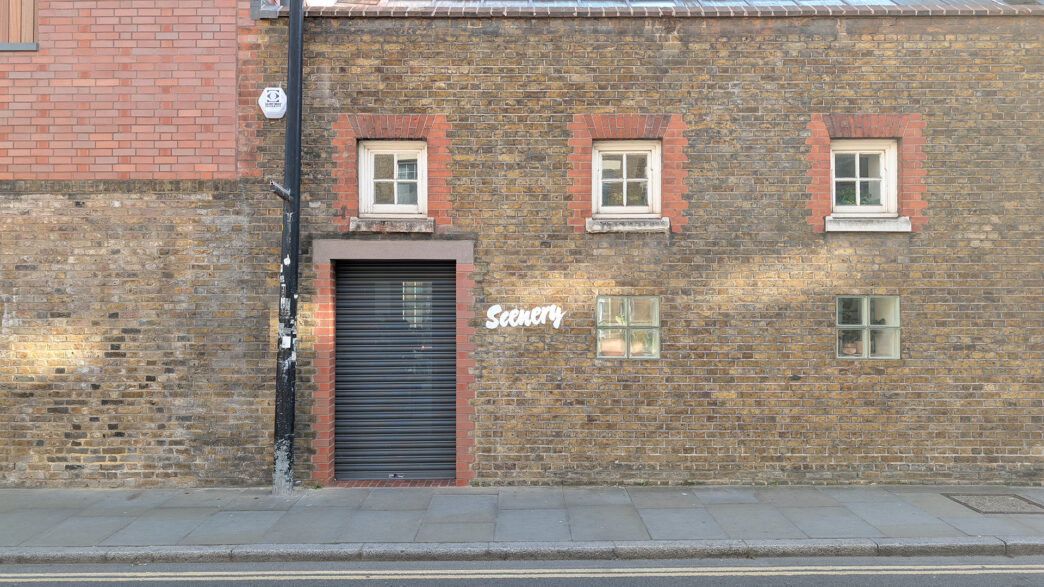
It’s always exciting to check in on the London coffee scene, which has long been one of the world’s best. Today’s Build-Outs of Coffee feature takes us south of the river, but not far south, where a multi-disciplinary rehearsal space complex called Jerwood Space is home to a lovely new coffee bar. This is Scenery, honorees at the 16th Annual Sprudgie Awards for Best Design/Packaging and one to watch in London for many years to come.
The 2025 Build-Outs of Coffee is sponsored by Pacific Barista Series, La Marzocco, Ceado, and Dona.

As told to Sprudge by Alex Wallace.
For those who aren’t familiar, will you tell us about your company?
We started Scenery having all worked in specialty roasteries before, with the intention of sourcing, roasting and talking about coffee in our own way. We really disliked the pretentious urge to “educate” and overwhelm people who might not know that much about coffee, where access to tasty stuff is gatekept away. We instead wanted to focus on making it fun—making it a choice how much people engage and providing as much detail as people wanted.
Can you tell us a bit about the new space?
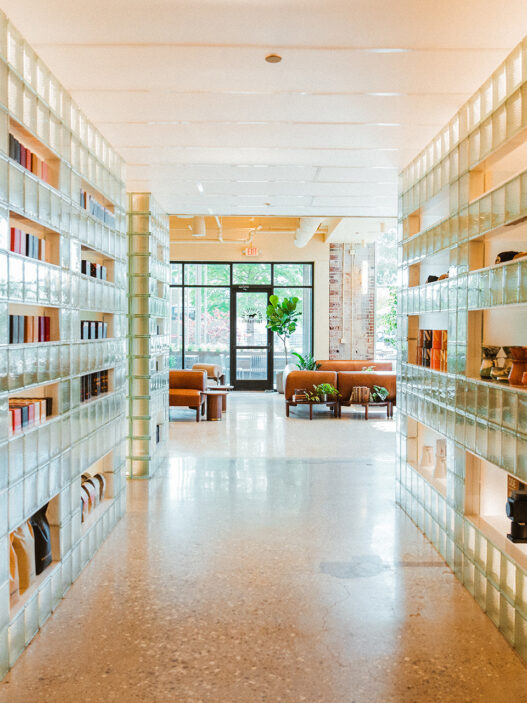
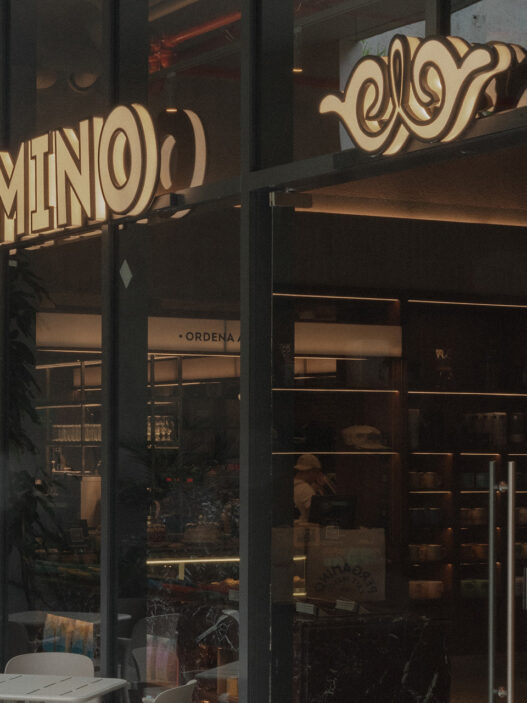
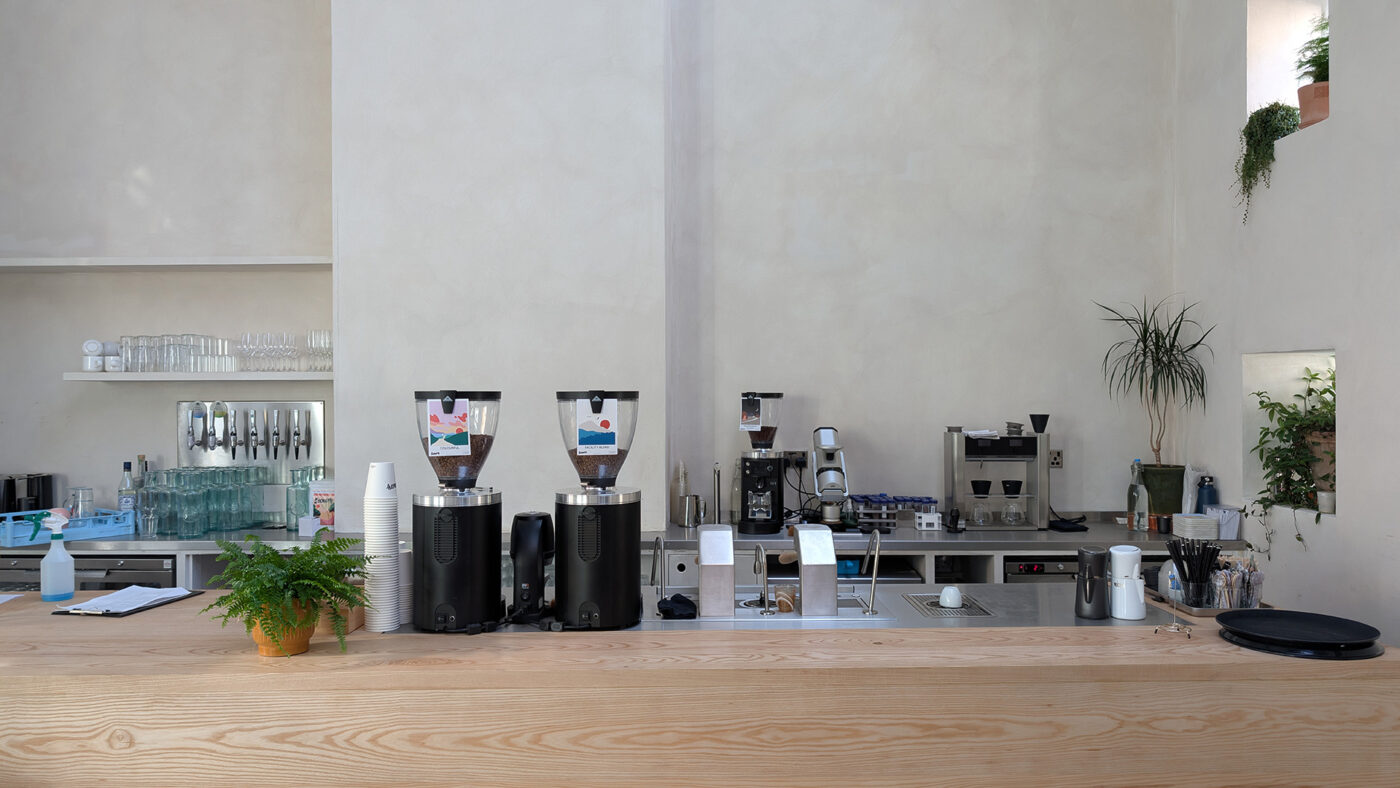
We’re in an incredible location—we’re attached to the Jerwood Space, which is rehearsal spaces for the performing arts. The space itself is built out of an old Victorian eta school building, and is steeped in history. We have actors and production companies in preparing for their next stage debut mingling with residents, commuters and coffee lovers—providing a proper third space. We have a full kitchen and plenty of seating (including a glasshouse full of tropical plants), and have the roastery on site—one of the most central London roasteries in full operation.
What’s your approach to coffee?
We’ve established a niche in the last two years roasting very light (on a Loring S35) when compared to the typical UK market, working with great import partners and having a broad church style to our offer. We don’t want to be exclusionary and believe deeply in respecting both sides of the supply chain equally. We source coffee seasonally, working as far upstream as possible—pre-contracting/contracting at harvest and working six months ahead, ensuring we have a balanced offer from impact project daily drinkers to the fun and unique absolute belters.


Any machines, coffees, special equipment lined up?
We use a Mavam undercounter two-group (with unibaskets/turbo style shots), with Mahlkönig E80 GBW for house espresso and a Weber EG1 for single dose shots. We use a Poursteady for a wide and constantly changing autobrew menu, offering six to seven coffees from the offer at a time for either filter or espresso on top of the house coffees. We’ve recently installed an optical sorter in the roastery, and are very excited to see how that improves the quality output
How is your project considering sustainability?
100% of the furniture onsite is upcycled, and we tried to take a minimal intervention approach to materials when building the location. By having the roastery on site, all coffee served in the cafe is from reusable buckets and containers, and we have solid partners for waste stream recycling. Our pour-overs are served on trays made from 100% recycled plastics, made in the UK.
We additionally conduct all last mile deliveries inside London in an electric van, delivering house coffee in reusable buckets that are collected. Another exciting initiative—we’ve engaged in dialogue with a company that takes jute coffee sacks and recycles them into insulation, and are eagerly collecting our first pallet of bags for conversion.

What’s your hopeful target opening date/month?
We opened the dine in sections in March of this year, while we haven’t declared the site fully “grand opened” (it’s been a continual WIP) that is the closest we have come to some form of official opening.
Are you working with craftspeople, architects, and/or creatives that you’d like to mention?
We work with an amazing artist called Lucas Garcia to create the illustrations for each coffee—these designs acting as “sub brands” for each individual farm or producer, allowing a visual language that helps popularize their coffee for each returning season. These designs are based on both the landscape and geography of the region in which the farm is located (the tropical scenery) but also based on the flavor colors and even style of the coffee—heavy naturals might be dense designs, a lighter ethereal Gesha will be more open and airy. These designs are what got us “Best Design” Honouree in the 16th Annual Sprudgies and it’s entirely down to the collab with Lucas.

Thank you!
No, THANK YOU!
The 2025 Build-Outs of Coffee is sponsored by Pacific Barista Series, La Marzocco, Ceado, and Dona.