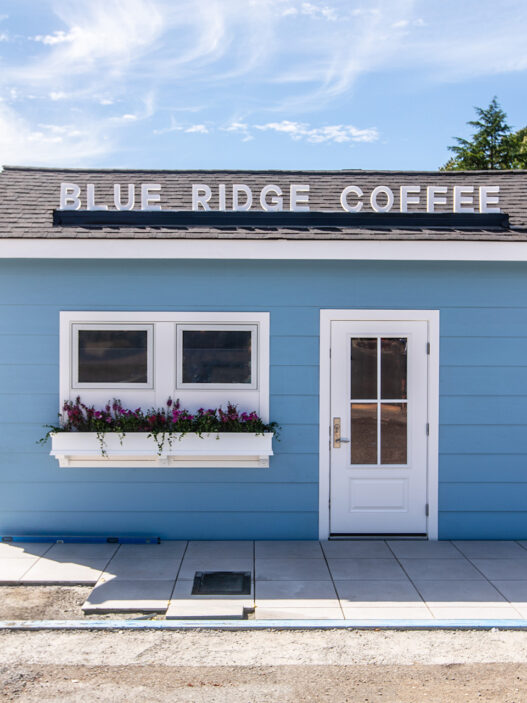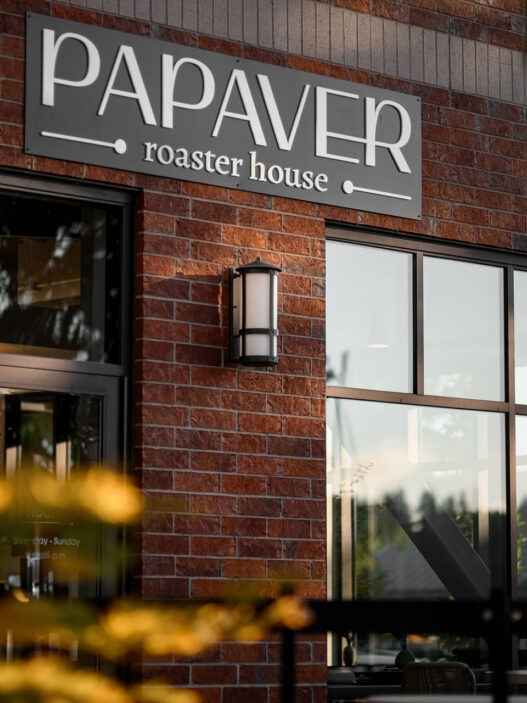





The Build-Outs of Coffee, our annual summer series highlighting new and remodeled cafes around the globe, has come to a close for 2025. We spent the better part of three months bringing you new and exciting coffee shops, but all good things must come to an end, and so too do the Build-Outs.
There is one final point of business before we can officially call this season a wrap, and it is to take a broad view of the cafes featured as part of the Build-Outs of Coffee and try to surmise where the industry is heading in the coming years. We call it the Analytics of Autumn and it’s something that’s put a bow on the season going all the way back to 2018.

We’re going by the numbers to divine what changes (or not) to keep an eye out for in specialty coffee. Some of the results are surprising while others have remained as steadfast as ever. So let’s take a deep dive on a season that was the Build-Outs of Coffee, as told by the data.
The 2025 Build-Outs of Coffee is sponsored by Pacific Barista Series, La Marzocco, Ceado, and Dona.
The Demographics
There were 33 total Build-Outs this year, a fair showing indeed, and the general makeup of the cafes largely followed the mega-trends of 2024. Like last year, just over 25% of the entries came from outside the United States. Nine other countries made appearances this year, representing a total of four different continents. These numbers align 1:1 with the geographic demo numbers from 2024.
Domestically, it was once again the coasts that showed out the most. Both Miami and the greater Los Angeles area had the largest representation, at three cafes each. Meanwhile, Northwest Arkansas had two, and so did the Seattle/Olympia area.
Who is Building Out?
In past years, it has been established brands that won the day, comprising the lion’s share of Build-Outs entries. But this year tells a different story. The majority of the coffee shops featured—a cool 55%—were from first-time cafe owners. Now, there were some cafes, like Matryoshka in Nashville who expanded their extant space, that skew those numbers ever so slightly away from an even split. But it is nonetheless the first time in doing the Analytics of Autumn that new cafe owners have been so prevalent in our data. This suggests that the cafe industry continues to draw in new entrepreneurs here in 2025, and that people around the country—and around the world—are jumping in with both feet to open their dream cafes (and tell us all about it on Sprudge).
The Ghost of the Multi-Roast
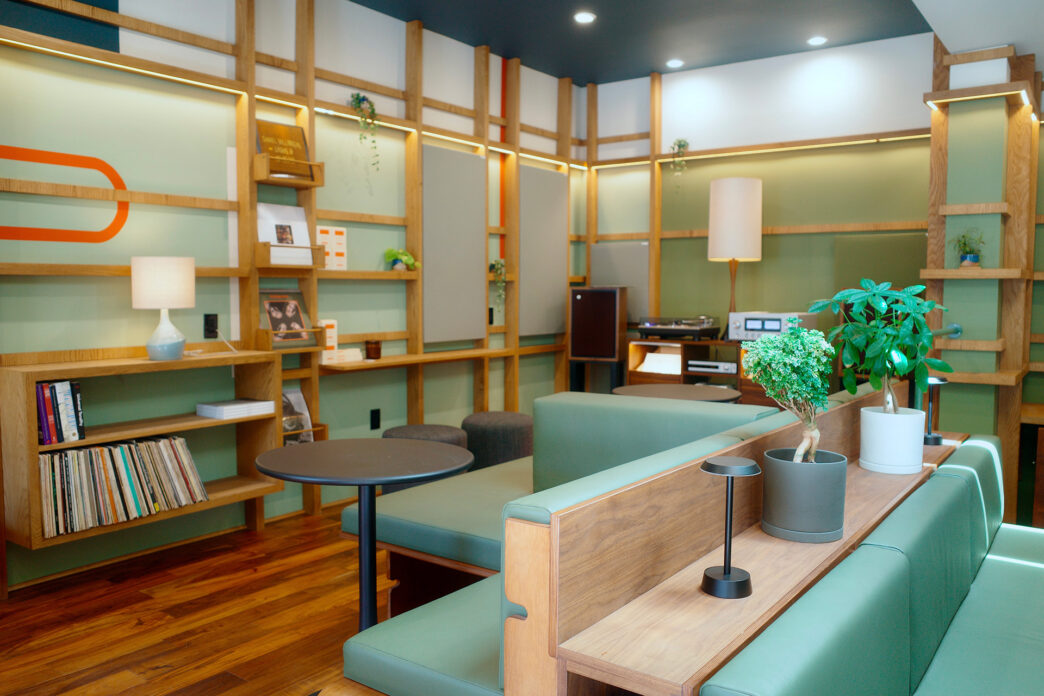
If the Build-Outs of Coffee are any indication, the resurgence of the multi-roaster cafe was but a blip. It had been making a strong comeback in the past years, but in 2025 the trend took a complete nose dive. Of all the cafes featured this year, there was only one (1) multi-roaster, and even they choose to roast their own line of in-house branded coffee in addition to carrying multiple other brands. This distinction belongs to Dayglow, who also happens to be one of the leading multi-roaster cafes in all of America (and a Sprudgie Award winner for Best New Cafe in 2019). But they are the only multi-roaster.
In fact, this year our series feature only six cafes this year who don’t roast their own coffee. Which means that 82% of all Builds this year were from roaster-cafes. That is aa record-high percentage. When we look at how this breaks down amongst the first-time cafes, they went 2:1 roasters to non-roasting coffee shop.
The Gear
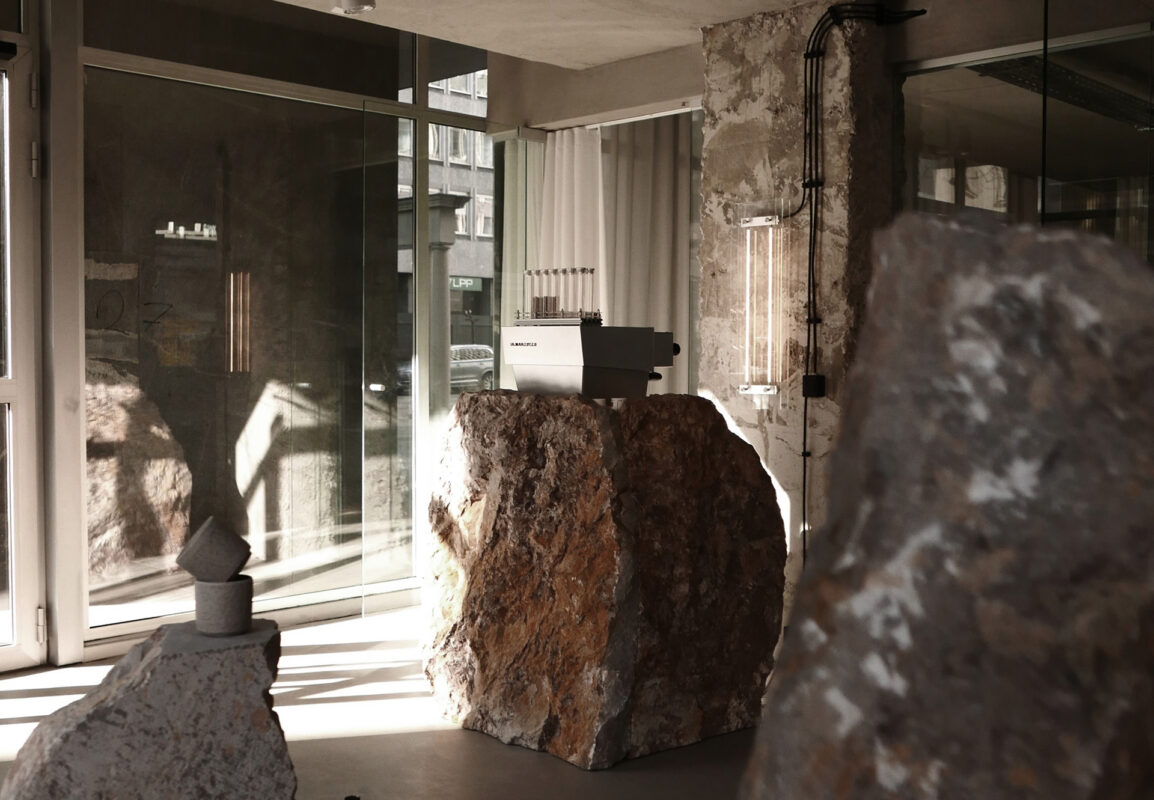
Since we started compiling the Analytics of Autumn, the most popular espresso machine and grinder haven’t changed so much as one single time. The Linea, La Marzocco’s iconic workhorse machine, and the Mahlkönig EK43, specialty coffee’s first It Girl grinder, have topped the list year after year after year after year. To the point that I really should save myself the trouble and copy and paste the previous year’s results. So when I tell you I was shocked SHOCKED! that neither the Linea nor the EK took the top spot in their category this year, both beat out by a surprising newcomer. Is this the sign of a seismic changing of the guard?
No, no it’s not because that never happened. The Linea and the EK are still kings by a wide margin. But it was fun to pretend for a second.
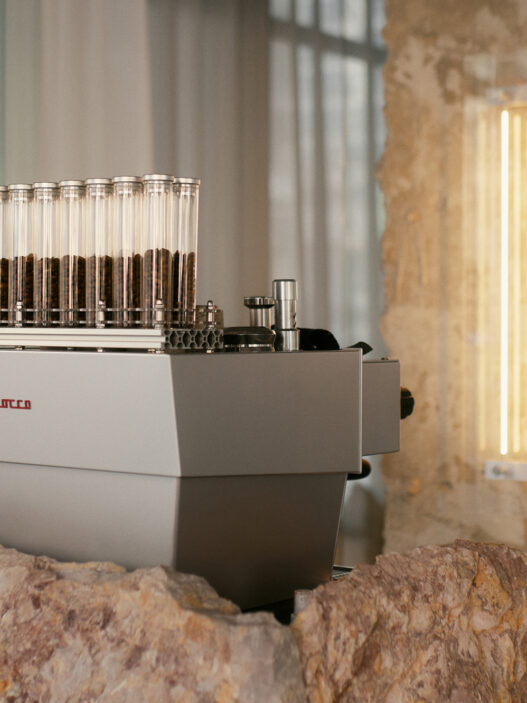
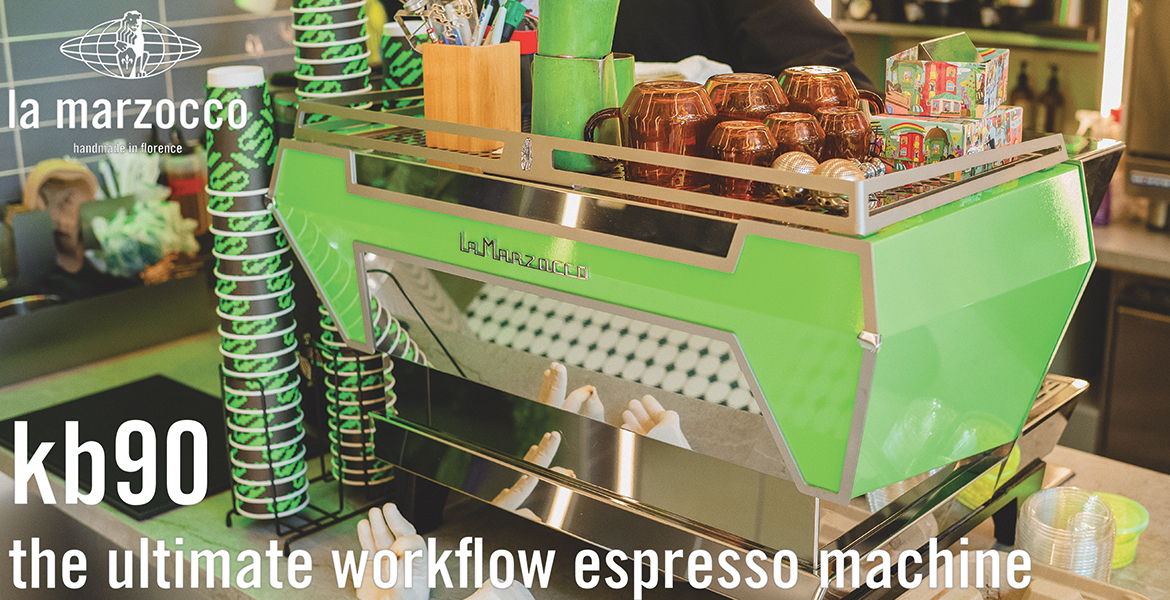
The Linea alone accounted for over half of all espresso machines this year, 17 of the 33 given. It’s nearest competition came from the Slayer Steam, the Mavam Mach 2, and from the Strada, another La Marzocco machine, all with three apiece. In total, La Marzocco produced 73% of the espresso machines for this year’s class (include two Modbars).
In what may be the only real surprise from the espresso machine data this year, Victoria Arduino had just one entry this year. Typically they show stronger than that, landing in the top three for most years among all espresso machines in the Build-Outs series. But not so in 2025.
Things get a little murkier on the grinder side. Cafes aren’t really gear-maxing like in the specialty coffee heydays, where folks would laundry list all equipment and its specific purpose. This shows up specifically in the grinders, where some people will list our their grinders without specification if they are for espresso or brew bar, sometimes only mentioning the make and not the model. So that’s why we’re lumping all the grinders together into one category.
When they do get named, the EK is the clear favorite. It alone accounts for 22% of all grinders, followed by another Mahlkönig, the E65, with 11%. Overall the German manufacturer makes up 47% of the grinders from this year’s Build-Outs.
One notable newcomer to the list is the Swan, La Marzocco’s dip into the commercial grinder market, which had four entries this year, putting it in third overall. The other major takeaway is the glut of brands represented. Arco, Bentwood, Bunn, Ceado, DF64, Ditting, Eureka, Fiorenzato, Mazzer, Nuova Simonelli, Varia, Weber. Unlike the espresso machines, the field is opening up for the grinders in a big way.

Looking Ahead
Perhaps more than any other year, the 2025 Build-Outs of Coffee felt particularly trendless. Last year, for instance, we saw a lot of new cafes with a specific point of view from upstarts who were opening cafes in whatever spaces were available to them. It felt a little bit like the start of something. This year the only significant trend is the resurgence of the roaster-cafe, to the detriment of the multi-roaster.
And it’s difficult not to view it all through the lens of uncertainty the coffee world is experiencing right now. Coffee prices are fluctuating wildly, tariffs (and the threat of tariffs) are wreaking havoc, etc. The resurgence of the roaster-cafe, many of whom have been roasting for years before opening a brick and mortar, thus providing proof of concept. The lack of multi-roasters, many of whom bring in international roasters, which is now either impossible or prohibitively expensive. Could it all have the same root cause? Could uncertainty be the reason?
The closest analog to 2025 is 2021, another season of uncertainty. The world was reawakening from COVID-19, and in terms of new cafes, that meant a heavy tilt toward roaster-cafes. That may be something like what we are experiencing this year. But whether this was just a blip or the start of a larger trend only time will tell.
Thanks for tuning into the 2025 Build-Outs of Coffee! We’ll be back in 2026 for another round of new cafes and exciting remodels from around the wide world of coffee.
Zac Cadwalader is the managing editor at Sprudge Media Network and a staff writer based in Dallas. Read more Zac Cadwalader on Sprudge.
The 2025 Build-Outs of Coffee is sponsored by Pacific Barista Series, La Marzocco, Ceado, and Dona.