






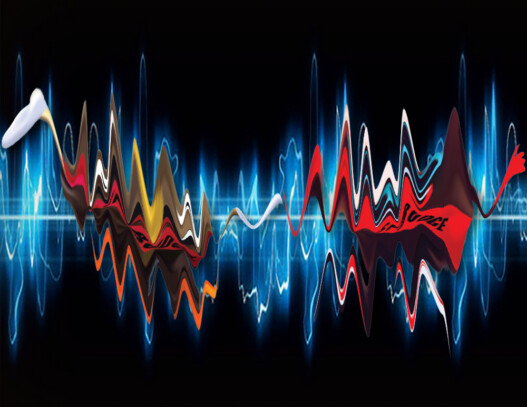
For all the many technological innovations made to espresso machines over the last two decades, the act of making espresso is functionally unchanged: pressurized hot water is passed through ground coffee. But researchers from the University of New South Wales in Sydney have created a new method entirely. Using ultrasonic soundwaves, they created an espresso-strength beverage using room temperature water, and it significantly reduces the energy used.
This is not the team’s for foray into ultrasonic coffee making. Two years ago, the same group of researchers created a three-minute cold brew using soundwaves. And now they are turning their attention to espresso.
For their new study, published recently in the Journal of Food Engineering, researchers modified a portafilter, cutting a hole in the side of it to give access directly to the basket. During the brewing, an ultrasonic horn, an instrument that creates sound waves above what the human ear is able to hear, was applied directly to the basket. Using a standard 20 grams of coffee to 40 grams output, room temperature water was passed through the coffee bed in five different intervals over the course of the two-to-three-minute brew time. The result was an espresso-like beverage with a similar overall TDS.
In an sensory analysis performed by 100 non-expert coffee drinkers comparing ultrasonic espresso to the same espresso made using a traditional method, “most participants could not reliably tell [the espressos] apart, and there was no clear preference for either method.” And in fact, in a similar test done for filter coffees—a v60 versus an ultrasonic v60—participants preferred the ultrasonic version more, “particularly rating its bitterness as more pleasant.”
Because this method doesn’t require water to be heated, researchers found it requires roughly a quarter of the energy need to make espresso of normal methods. They believe it can be a cost-effective way to “directly to manufacture ready-to-drink products, or shipped as a concentrate and later diluted into a range of drinks, including cold brew and milk-based coffee drinks.”
It is hard to imagine a three-minute room temperature espresso usurping a traditional espresso in cafe settings, and I’m not yet convinced to take the word of 100 non-experts in terms of flavor. But with some cafes experimenting with prebatching espresso, perhaps the method isn’t too far-fetched. Especially if it can increase the razor-thin margins. I’m not doing room-temperature coffee, though. That’s a hard pass for me.
Zac Cadwalader is the managing editor at Sprudge Media Network and a staff writer based in Dallas. Read more Zac Cadwalader on Sprudge.