











The coffee borer beetle has historically been one of the biggest scourges to coffee production. Native to Africa but since spread throughout all coffee producing regions, “the most harmful insect pest of coffee worldwide” will, as their name suggest, bore into coffee cherries, ruining it and the seed with it in the process. The coffee borer beetles is estimated to destroy up to 30% of all coffee, causing $500 million in damages each year.
Thus managing the pest is a primary concern for many producers. And nature may be providing aid. Ants that feed on the coffee borer beetle have been found inside the same cherries the beetles have destroyed, and they may be helping regulate the population.
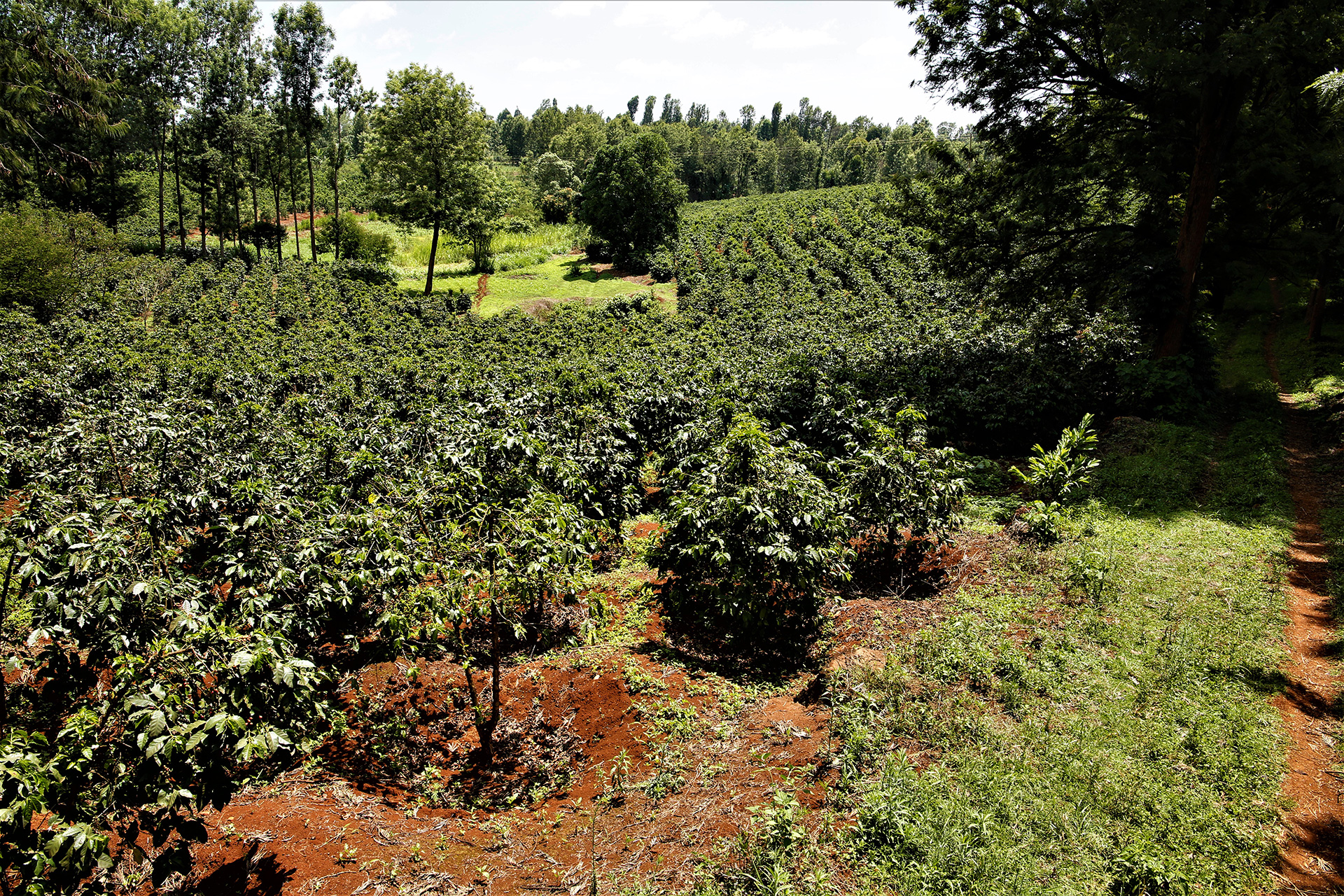
As reported by SciTech Daily, the phenomenon was first noticed on a coffee farm in Chiapas, Mexico by Jonathan Morris. While studying coffee plants and the beetles, he observed seven different species of ant living inside the excavated coffee cherries. According to his findings, published in the journal The Scientific Naturalist, two of the species are known to reduce borer colonies while the other five’s impact is unknown, though adjacent species have been observed controlling coffee borer populations.
Coffee borers are “very sensitive to desiccation,” and so they dig into cherries to create shelter. Inside, they’ll lay eggs, where will stay until the next rain. The ants could then offer a potential double whammy, both feeding on the beetles and clearing out the infected cherries.
Now, the extent to which this intervention is occurring naturally is not yet known. It already be a part of a farm’s ecosystem. Nonetheless, introducing additional ant populations to a farm may provide a natural alternative to borer regulation, one that doesn’t include pesticides, which can kill beneficial insects—like pollinators—as well as the target.
Zac Cadwalader is the managing editor at Sprudge Media Network and a staff writer based in Dallas. Read more Zac Cadwalader on Sprudge.