





Sound wave are all the rage in coffee competitions these days, thanks mostly to 2025 World Barista Champion Jack Simpson who’s been using sound waves are part of his espresso prep for a few seasons now. But the use of sound waves in coffee is not relegated to the flash of high-end performances. Scientists have recently discovered a way to use sound waves to turn coffee parchment into high-grade cellulose.
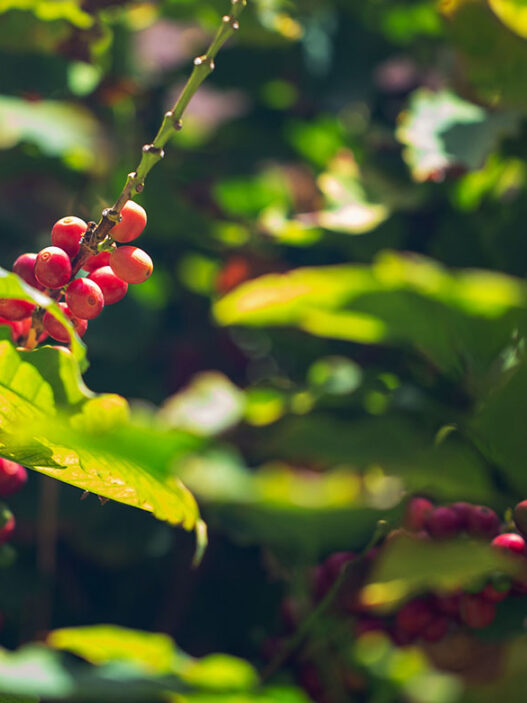
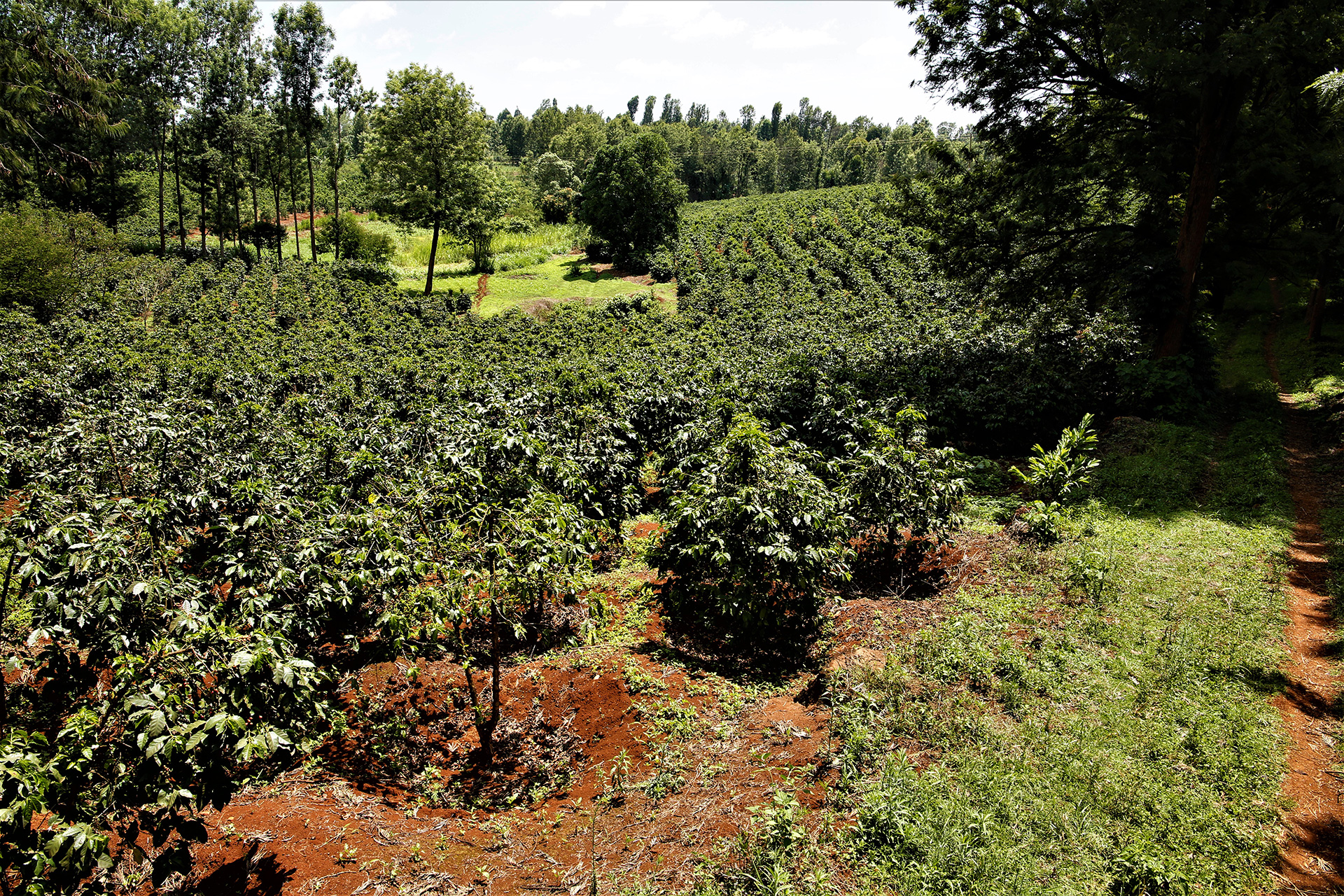
Cellulose is an organic polymer with a wide range of uses across industries. It can be used to make paper and cardboard, bioplastics, natural fabrics, as well as a handful of products in the food, cosmetic, and pharmaceutical industries. Parchment, the protective layer around green coffee. The cellulose-rich parchment is removed from the seed as part of the processing, where it is discarded and often burned.
But as reported by Bioengineer, researchers from Ethiopia’s Addis Ababa Science and Technology University have figured out way to turn that waste product into the highly sought-after biomaterial, and they do it using sound waves.
They do this by treating the parchment with an alkaline solution and then “[bombarding] the biomass with high-intensity ultrasound.” This creates cavitation in the parchment, the rapid creation, expansion, and collapse of microscopic bubbles that forcefully erode the substance and allow the chemicals to work deep into it. This allows the cellulose to be separated from an aromatic polymer known as lignin that acts a shield for the cellulose. Lignan has been generally resistant to breaking away from the cellulose before this processed was created.
The cellulose would then undergo a separate two-stage bleaching sequence to remove the remaining trapped in lignan. The result is material was comprised of nearly 92% pure cellulose with 93% of all lignan removed. Traditional processing methods reached levels of 83.3% and 72.5%, respectively.
When tested, the new material showed higher levels of thermal stability and “colloidal stability,” meaning it is better suited for creating “uniform films, coatings, and composite materials.”
The authors note that the current process requires high energy and chemical inputs that may inhibit the process’s scalability. It nonetheless offers a glimpse into a possible future, where a waste product is transformed into an in-demand biomaterial, and potentially a new revenue source for farmers.
Zac Cadwalader is the managing editor at Sprudge Media Network and a staff writer based in Dallas. Read more Zac Cadwalader on Sprudge.