
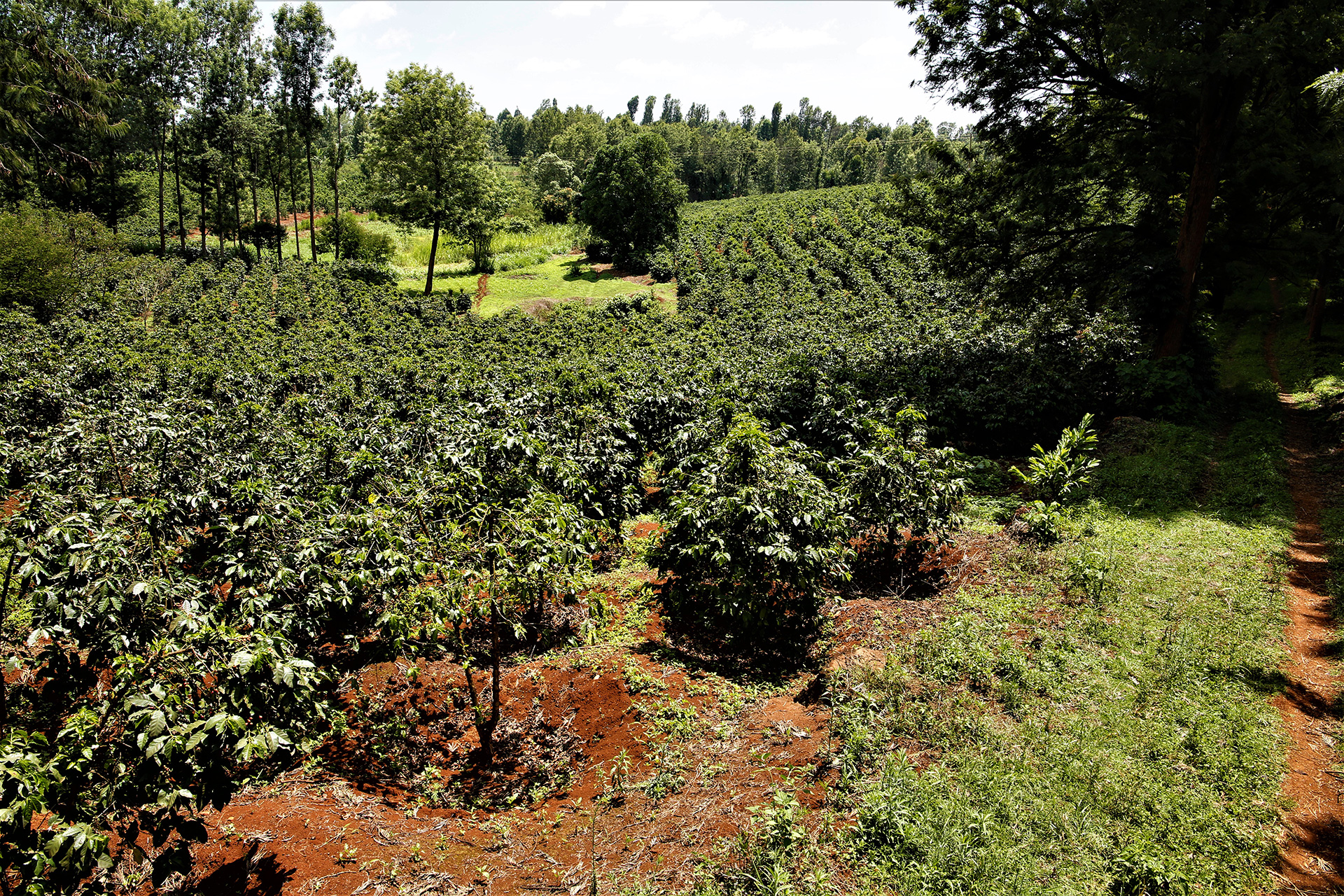









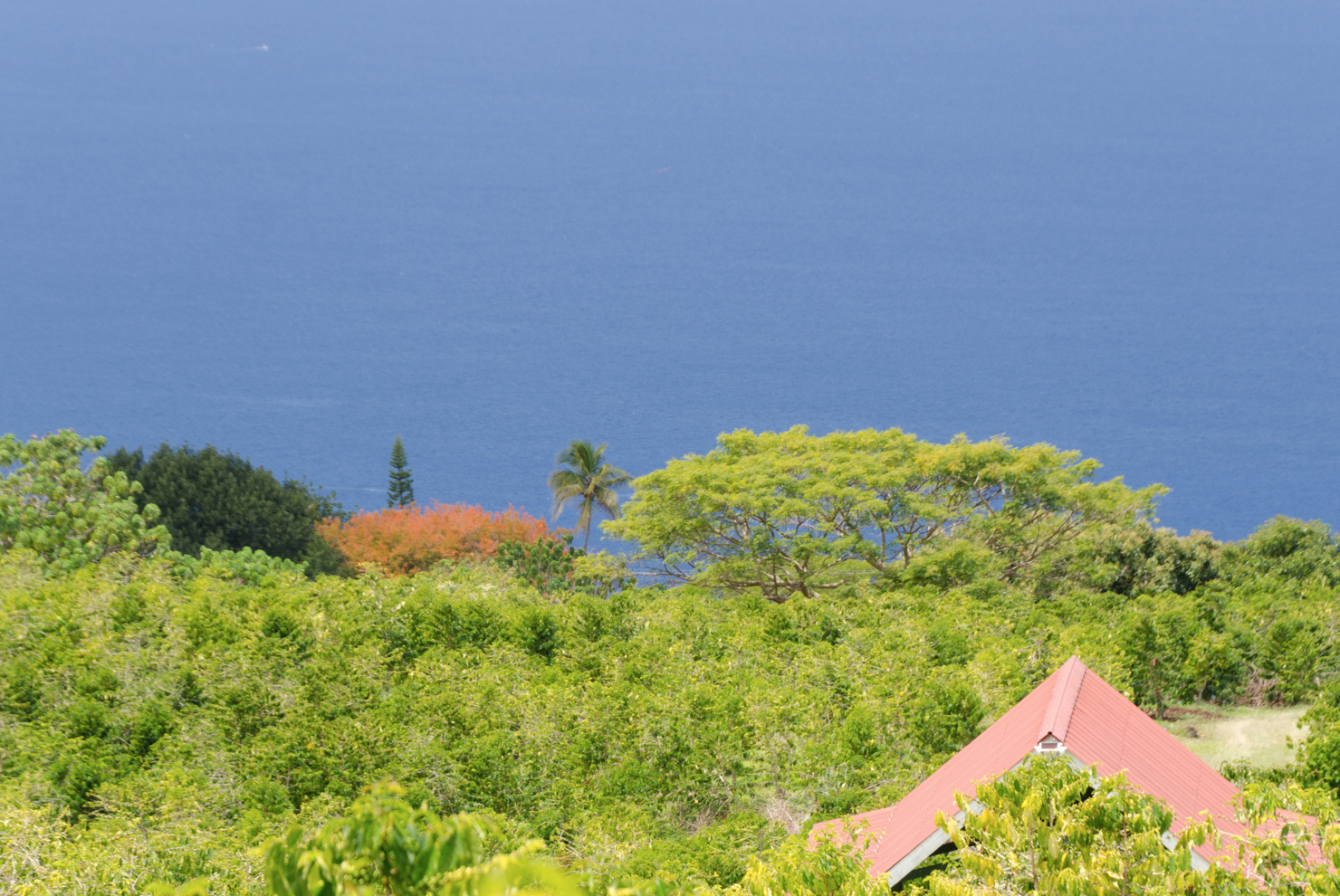
Coffee production has always relied heavily on a labor force comprised almost entirely of immigrants. In Central America, this comes from seasonal migrant workers, who help hand-pick ripe cherries during harvest. Similarly, Hawaiian coffee production also relies on a migrant workforce, and with the Trump administration’s crackdown on immigrants in America, the fate of the workers and the impact it will have on America’s largest coffee producing state is uncertain.
As reported by the New York Times, Immigration and Customs Enforcement (ICE) have since February been making regular trips to the Big Island—and the region of Kona, in particular—to “search for undocumented immigrants among the 200,000 or so people who live on the island.” Only a few dozen individuals have been taken into custody by ICE, but already it is impacting the coffee growing communities on the Big Island.
Per the Times, most coffee farms on Kona are extremely small, family-owned plots, often just three to five acres total. The farms employ immigrant workers from “mixed-status families,” meaning some members of their household are naturalized, others on green cards, while other may be undocumented. So when ICE detains an undocumented person, other individuals, men and women with no criminal records and children, can get caught up in the “immigration dragnet.”
In an email to the New York Time, Homeland Security spokesperson Tricia McLaughlin confirmed as much, saying “a number of targeted enforcement actions” with criminal records had occurred on the Big Island and they led to “non-targeted illegal aliens [being] encountered and detained.”
Bruce Cornwell of Kona Premium Coffee Company doesn’t agree with the government’s handling of the issue. “These are good, hard workers. They aren’t gang members.” He continues, “If we don’t have these immigrant workers, our coffee will be hurting… The government should make it easier for these people to come here and work.”
Making matters worse is that these small-scale producers can’t take advantage of the government’s seasonal agricultural visa program due to its complexity and cost.
And the crackdown affects more than just undocumented persons. Armando Rodriguez, the owner of Aloha Star Coffee Farms in Kona tells the Times some of his normal workforce have informed him they won’t be coming over from the mainland US this season in fear that they may be detained at the airport, despite being green card holders.
The result is a small but vital industry for the Big Island being thrown into uncertainty. “The futures of coffee farmers and these workers are tied together, whether we like it or not,” states Jeanne Kapela, a state legislature representing Kona whose family also grows coffee. “If [the coffee industry on Kona] dies, I don’t know how we come back.”
Zac Cadwalader is the managing editor at Sprudge Media Network and a staff writer based in Dallas. Read more Zac Cadwalader on Sprudge.