



We’re very excited and a little honored to feature The Wild Fox as the latest entry in the 2026 Build-Outs of Coffee feature series. This is one of the most interesting new cafes opened anywhere in America in 2026, and the opportunity to learn more about their unique story in downtown San Francisco is greatly appreciated. Make this cafe your next must-visit destination.
The 2026 Build-outs of Coffee is presented by DONA, Pacific Barista Series, and La Marzocco.

As told to Sprudge by Rich Lee.
For those who aren’t familiar, will you tell us about your company?
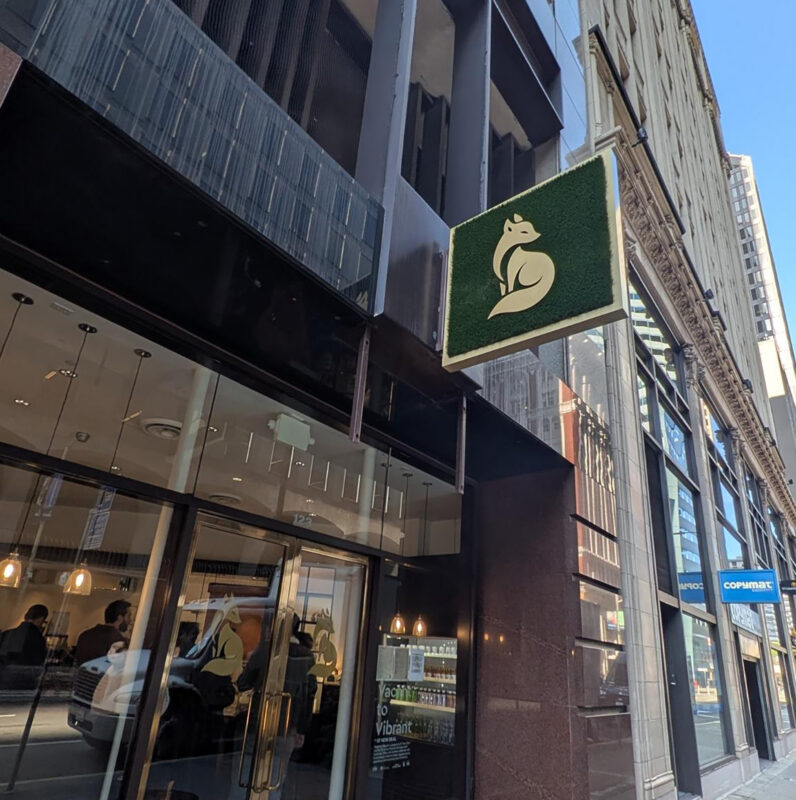
The Wild Fox is a Japanese inspired cafe in the heart of San Francisco’s financial district, right next to the Japanese consulate. I built it with Liza Otanes, my wife and the other half of Spro Coffee Lab, and Executive Chef Tsubasa Onozaki, who came from Liholiho Yacht Club. Tsubasa and I wanted a concept that felt closer to home for both of us, so everything here is Japanese. The menu is onigiri, unagi rice bowls, gyudon, chashudon, and Japanese sandwiches, and every coffee we serve is roasted in Japan. We import several times a week from partners like Glitch Coffee, Oubaitouri, and Koloro Coffee Japan, and the pour-over menu has featured as many as five Cup of Excellence lots at once, including the 2024 COE #1 Brazil, which we serve at $105 a cup. When a COE lot becomes available, we buy it. Turns out people really, really like ordering Gesha.
Here’s the part we’re proudest of. For six months in a row, pour-overs have been our number one seller. Not lattes, not matcha. Pour-overs. In a country where milk drinks dominate, that tells us people are ready to taste coffee the way it was grown to be tasted. That’s what The Wild Fox is really about, pushing specialty coffee forward and letting people know there’s a whole world of passionate people making coffee better.
Can you tell us a bit about the new space?
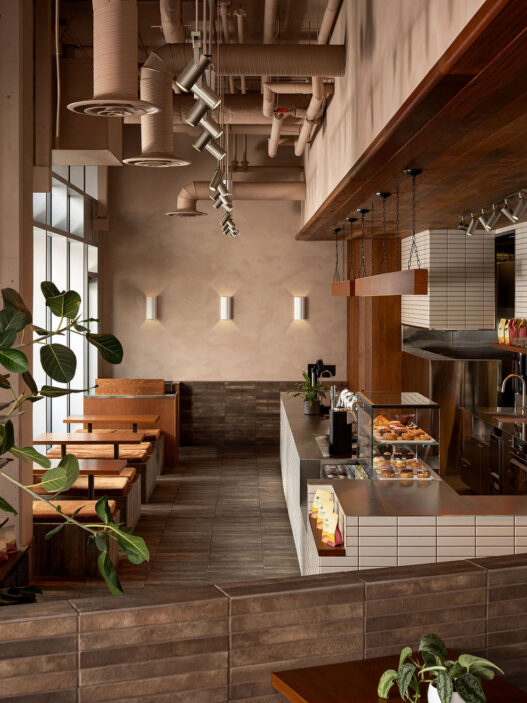
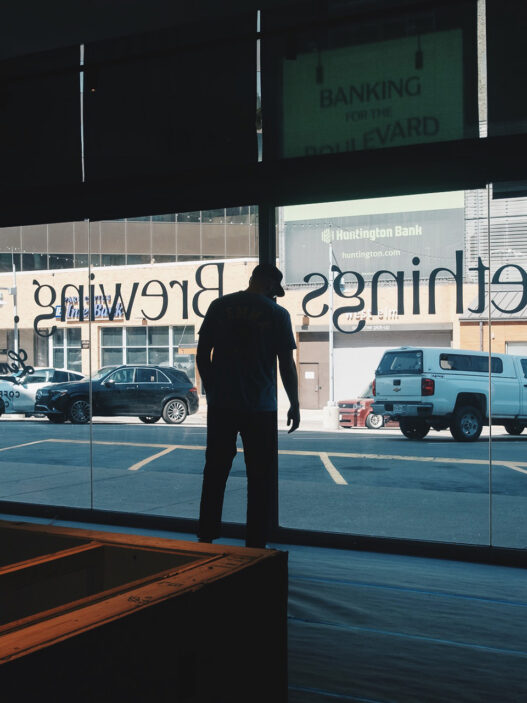
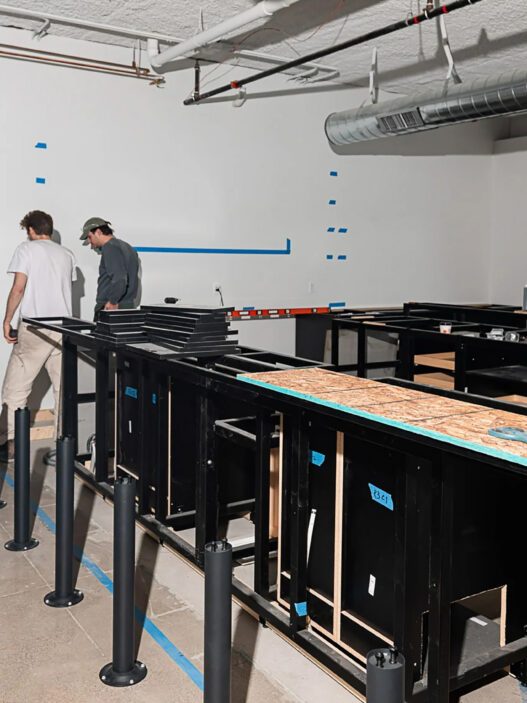
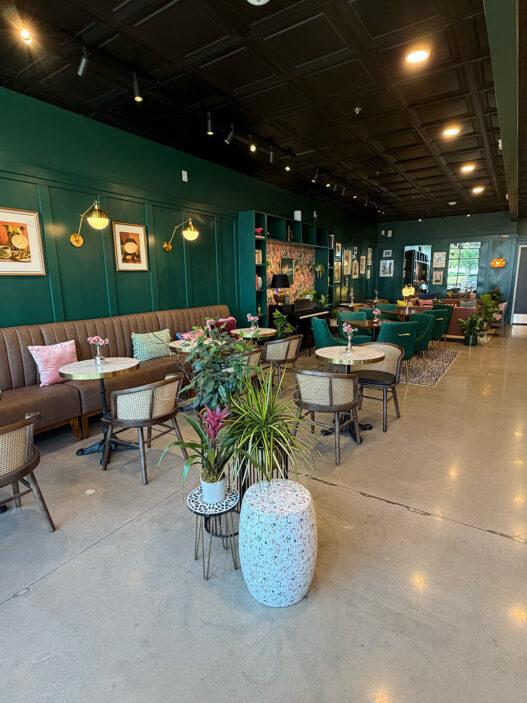
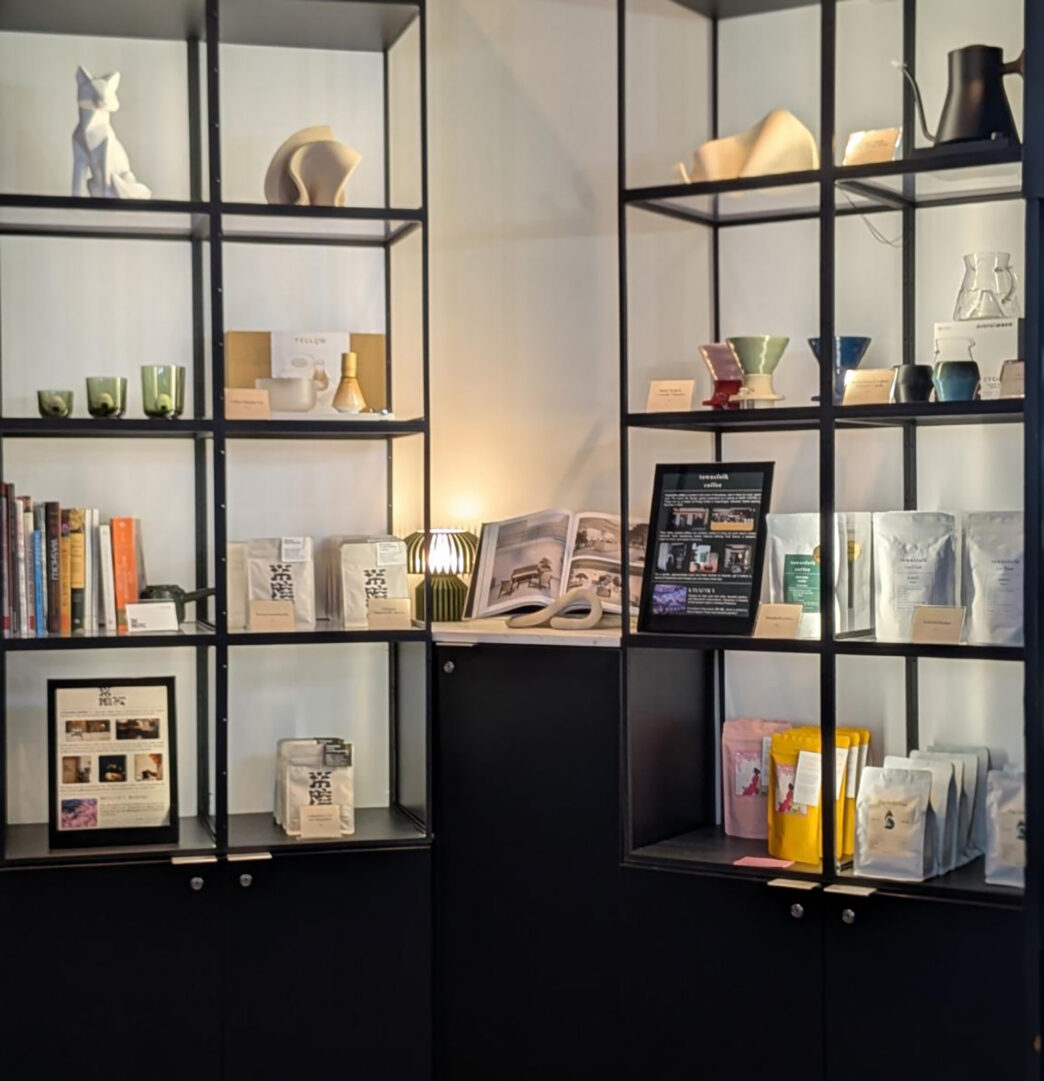
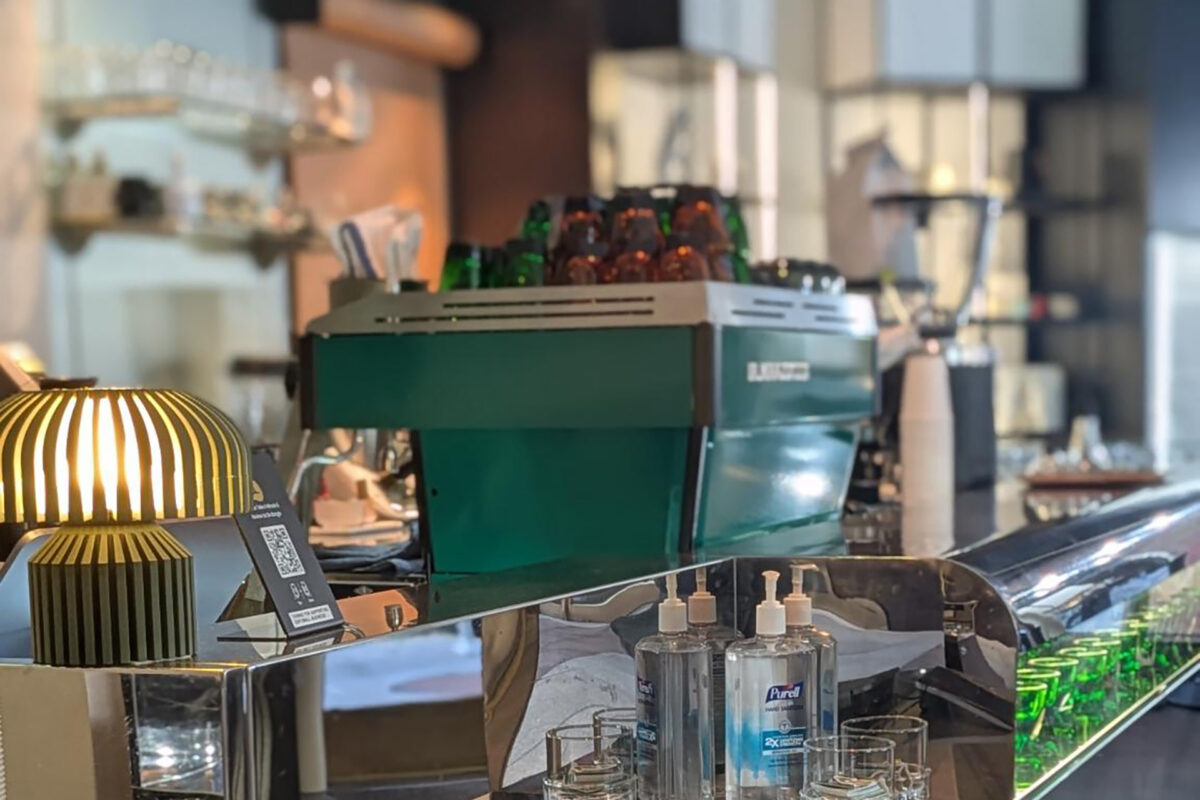
The space has a story. It was an Illy Caffè that closed before the pandemic, and it sat vacant for six years in a neighborhood famous for punishing rent. We got in through San Francisco’s Vacant to Vibrant program, where the city negotiated with the landlord to create a partnership that subleases spaces to tenants willing to take a risk. Tsubasa and I decided we were willing. The bones were already there since the coffee infrastructure was built out, but six years of sitting empty comes with its own problems, and we spent real time turning it over. The landlord bent over backwards to make it work for us, and everyone in the building made us feel so welcomed that it felt like we had everything we needed to succeed. The cafe itself is small but seats more than you’d expect, wrapped in earthy green, with a collection of ornate cups and drippers greeting you as you walk in. We’re a block from Embarcadero station, and we could not be luckier to be where we are.
What’s your approach to coffee?
Intentionality in the cup, and nothing to distract you from it. There’s no wifi here. There’s no mocha. We don’t put milk, cream, or sugar out unless someone really asks. Our signature drinks are simple and low sweetness, done the preferred Asian way: a house made salted vanilla, and a sakura kuromitsu made with house made sakura flower syrup and Okinawa brown sugar. The matcha program gets the same treatment. We import all of our matcha ourselves without distributors, and we make a matcha mango shizuku with house made mango cold foam, an ichigo strawberry matcha, and a kokuto kinako matcha with toasted soybean and brown sugar syrup, all made less sweet.

We freeze our coffees to hold them at peak flavor, and we grind frozen for both espresso and pour-over, which gives us a sweeter cup with more pronounced acidity. Every drink goes out with a brew card telling you where the coffee was grown, who roasted it and when. That conversation about origin is the whole point. We want people thinking about quality before price. Not everyone wants a $105 cup of coffee, but enough people do, and some split it with friends and walk away with nothing but positive things to say. Dialing that coffee in was a nightmare, we dumped several hundred dollars down the drain before it was right. Worth it. It starts conversations, and conversations are how specialty coffee moves forward.
One more thing we do that we haven’t seen anywhere else: we host World Barista Championship competitors to perform their full routines for guests. Christopher Hoff presented his complete WBC routine here, all three courses, espresso, milk beverage, and signature beverage, with guests scoring on real judging sheets. Kay Cheon followed and sold out his sessions too, and Morgan Eckroth joins us in August. We want people to know competition coffee exists, and that there’s a world of passionate people pushing this craft further.
Any machines, coffees, special equipment lined up?
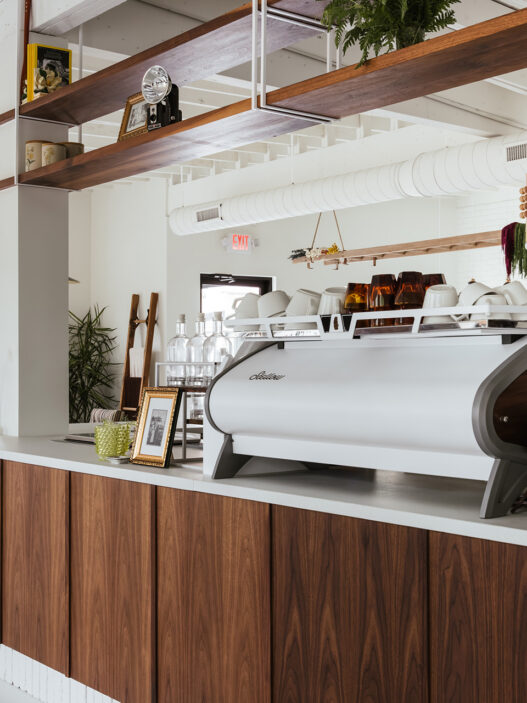
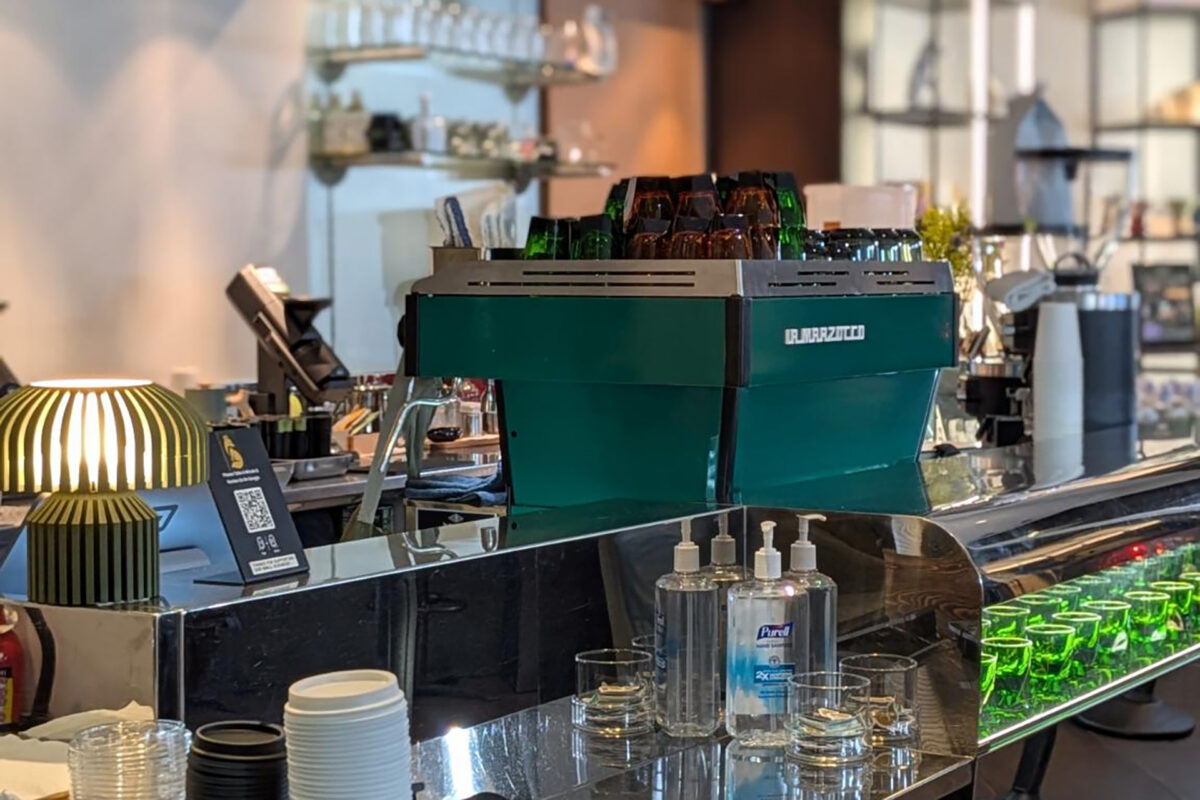
The house espresso runs on a La Marzocco PB with the built in scales, and we use the newest steam wand that lets us preset steam temperature so it never overshoots. All frozen coffee, for both espresso and pour-over, is ground on the Weber EG1. We run Pesado screens and Pesado high extraction portafilter baskets with a modified pre infusion that produces sweeter, more complex extractions, and we calibrated our water specifically to pull sweetness out of the espresso. On the brew bar we use the Hario Switch for controlled flow rate pourovers. Coffee wise, everything is roasted in Japan and imported several times a week, from Glitch Coffee, Oubaitouri, and Koloro Coffee Japan, plus a house blend roasted by US Barista Champion Frank La’s Be Bright Coffee.
How is your project considering sustainability?
We moved into a space that already had its coffee infrastructure built rather than starting a build out from scratch, which kept an enormous amount of material out of the landfill and brought a storefront back to life after six years of sitting dark. Our import model is small batch by design. Coffee arrives from Japan several times a week in quantities we know we’ll sell, and our freezing program holds everything at peak flavor, so nothing goes stale and nothing gets thrown away. The equipment reflects the same thinking, since the La Marzocco PB and Weber EG1 are modern, energy efficient machines. And we never charge extra for plant milks. Oat, almond, whatever you prefer costs the same as dairy, which removes the penalty for making the lower impact choice. Finally, we buy small, rare lots at prices that reward the farmers who grew them, because paying producers properly is the most direct form of sustainability in coffee.
What’s your hopeful target opening date/month?
We’re already open. The Wild Fox opened at the beginning of 2026, and we’re heading into our first SCAJ in Tokyo this October, where you’ll find the Wild Fox booth alongside Frank La and the Be Bright team.
Are you working with craftspeople, architects, and/or creatives that you’d like to mention?
Executive Chef Tsubasa Onozaki, who shaped the entire food program and brought the Japanese sensibility that defines the space. Frank La and the Be Bright Coffee team, who roast our house blend. Our roasting partners in Japan, Glitch Coffee, Oubaitouri ,and Koloro Coffee Japan. And La Marzocco and Weber Workshops, whose machines make the frozen coffee program possible.
Thank you!
Thanks so much!
The 2026 Build-outs of Coffee is presented by DONA, Pacific Barista Series, and La Marzocco.