







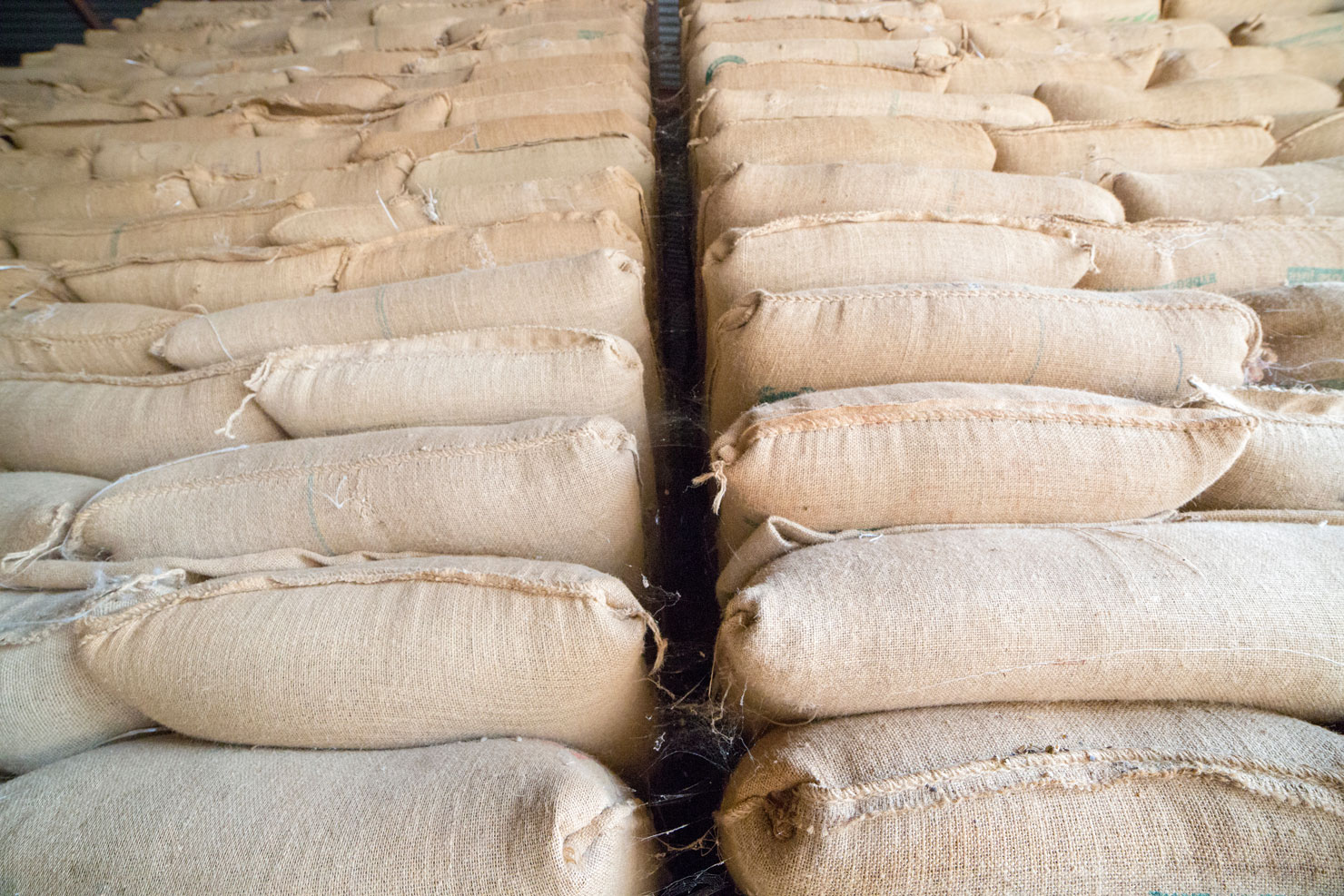
The 50% tariff on all goods imported into the United States from Brazil was enacted two weeks ago. Much has already been written about how the tariff will shake up the global coffee trade, with America seeking cheaper alternatives to Brazilian coffee while other countries, like China, will begin to invest more heavily in the country. But now, the effects of the tax are becoming less and less theoretical, as American buyers are requesting postponements on Brazilian coffee shipments.
As reported by Reuters, Brazilian export group Cecafe stated recently that many American buyers are requesting to delay shipments in hopes that a trade deal can be reached between the two countries that would ultimately bring the sale price down. Cecafe president Marcio Ferreira tells Reuters that US-based buyers have enough inventory on hand to hold out for another 30 to 60 days in hopes a deal can be brokered.
But even a delay in shipment would result in the exporters and producers losing money. Exporters who use advance on exchange contracts, “a type of instrument used in pre-shipment financing,” will have to start eating fees associated with more accrued interest and additional overhead costs. Meanwhile producers are subject to an “inverted futures market,” meaning more distant contracts depreciate relative to closer ones. Such that a shipment delayed by two month would come at an estimated loss of $10 per bag.
Complicating things further is that even before the tariffs went into effect, Brazil’s total export numbers decreased drastically. In July, green coffee exports to all countries fell by 28.1% from where it was the same time last year.
With no trade agreement or end to the tariff in sight, the ever-evolving situation will continue to play out. The outcomes we will only find out about in realtime as they occur.
Zac Cadwalader is the managing editor at Sprudge Media Network and a staff writer based in Dallas. Read more Zac Cadwalader on Sprudge.