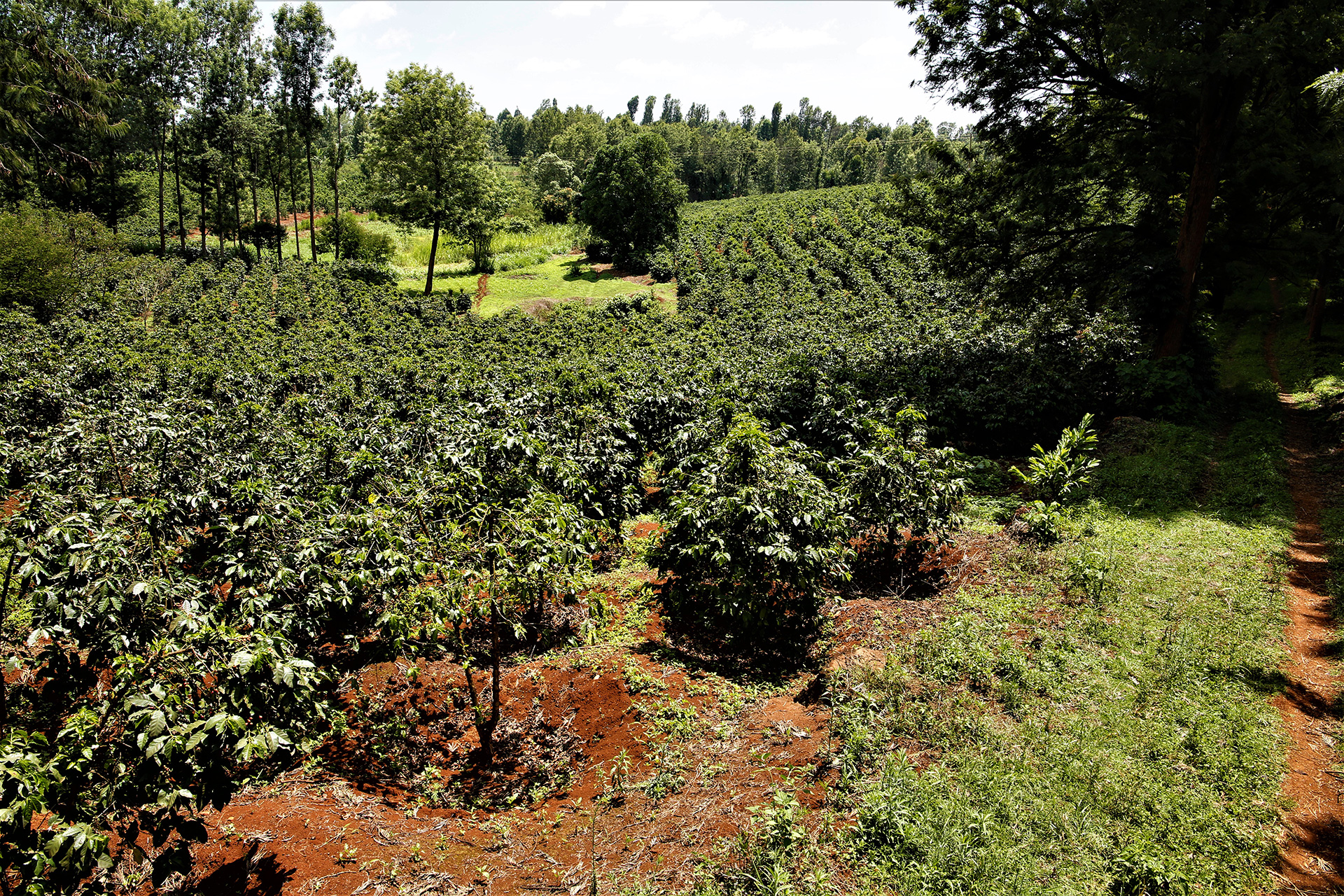







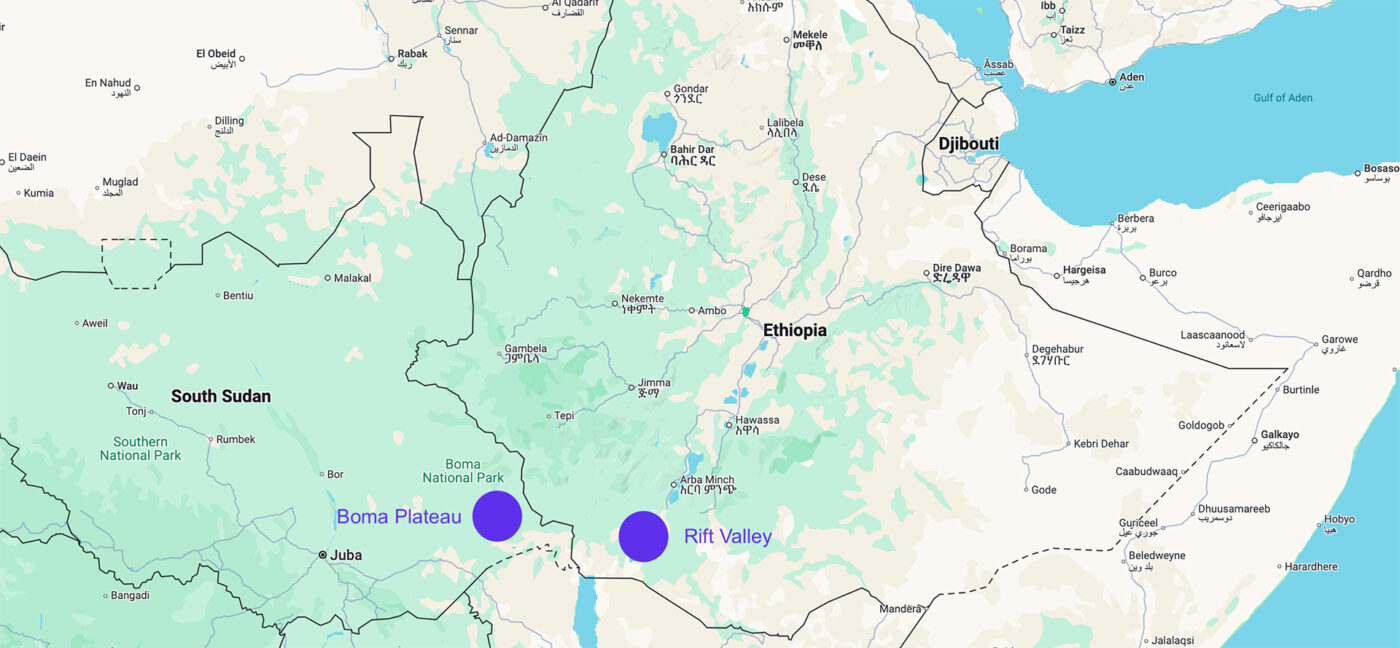
The first instance of Arabica leaving its native home in Ethiopia is believed to have occurred in the 14th or 15th century—though the exact timing remains unclear. What’s really important, though, is that only a handful of Arabica seeds was transported from Ethiopia to the ports of Mokha in Yemen. This marked the first recorded movement of Arabica beyond its birthplace. However, the limited quantity of coffee exported from Ethiopia also triggered a significant reduction in genetic diversity, a phenomenon geneticists refer to as a “genetic bottleneck.”
Imagine a wild population of thousands of Arabica trees, each with its own unique traits. Now, take just a few of those trees and leave the rest behind—by doing so, you’re unintentionally selecting only a narrow set of characteristics, while the rest go into oblivion. This is essentially what happened, and as a result, much of the Arabica population cultivated today originates from that small, initial selection of genetic pool.”
In a recent feature for Sprudge Special Projects Desk, Tung Nguyen reports on the unlikely story of Arabica—past, present, and future.
Read “A Brief History Of The Arabica Genome” on Sprudge Special Projects
Special Projects Desk is a hub for long-form original journalism and select archival features on Sprudge. Since 2009, Sprudge has been the world’s premier home for thought-provoking coffee journalism, evocative photo essays, design deep-dives, and cultural narratives. Special Projects Desk continues this tradition in 2023 and beyond, platforming exceptional works from the field of coffee journalism.
Special Projects Desk is supported by La Marzocco, handcrafting espresso machines in Florence, Italy since 1927. Their mission is to support the growth of specialty coffee; they believe that increasing knowledge and understanding is the best way to develop a thriving future for the coffee industry.
Sprudge is actively seeking pitches for long-form coffee writing—from both established and emerging journalists—without language or experience prerequisites. For more information, contact us.