








Welcome to The Sprudge Twenty Interviews presented by Pacific Barista Series. For a complete list of 2025 Sprudge Twenty honorees, please visit sprudge.com/twenty.
María Ingrid Gasser is the CFO of Cafeología, a Bolivian visionary leader who has worked across the entire coffee value chain throughout Latin America—from specialty cafes, productive coffee farms, and collector communities to roasters, exporters, and trading companies, spanning countries like Chile, Bolivia, Mexico, and Costa Rica.
She combines financial mastery with a powerful female perspective, consistently driving excellence and innovation. Ingrid is a respected speaker on multiple platforms and coffee programs, and she teaches the prestigious “Finance and Coffee Economics” course for entrepreneurs and coffee ecosystem enthusiasts. She has collaborated with some of Costa Rica’s most renowned coffee farms, building bridges between profitability and purpose. Beyond her professional achievements, Ingrid inspires as an exceptional mother, proving that passion, leadership, and care can coexist and transform the industry.
Nominated by Javier Carriel Peña.
How many years total have you worked in the coffee industry?
Eleven.
What was your first coffee job?
Coffee shop manager.
Did you experience a life-changing moment of coffee revelation early in your career?
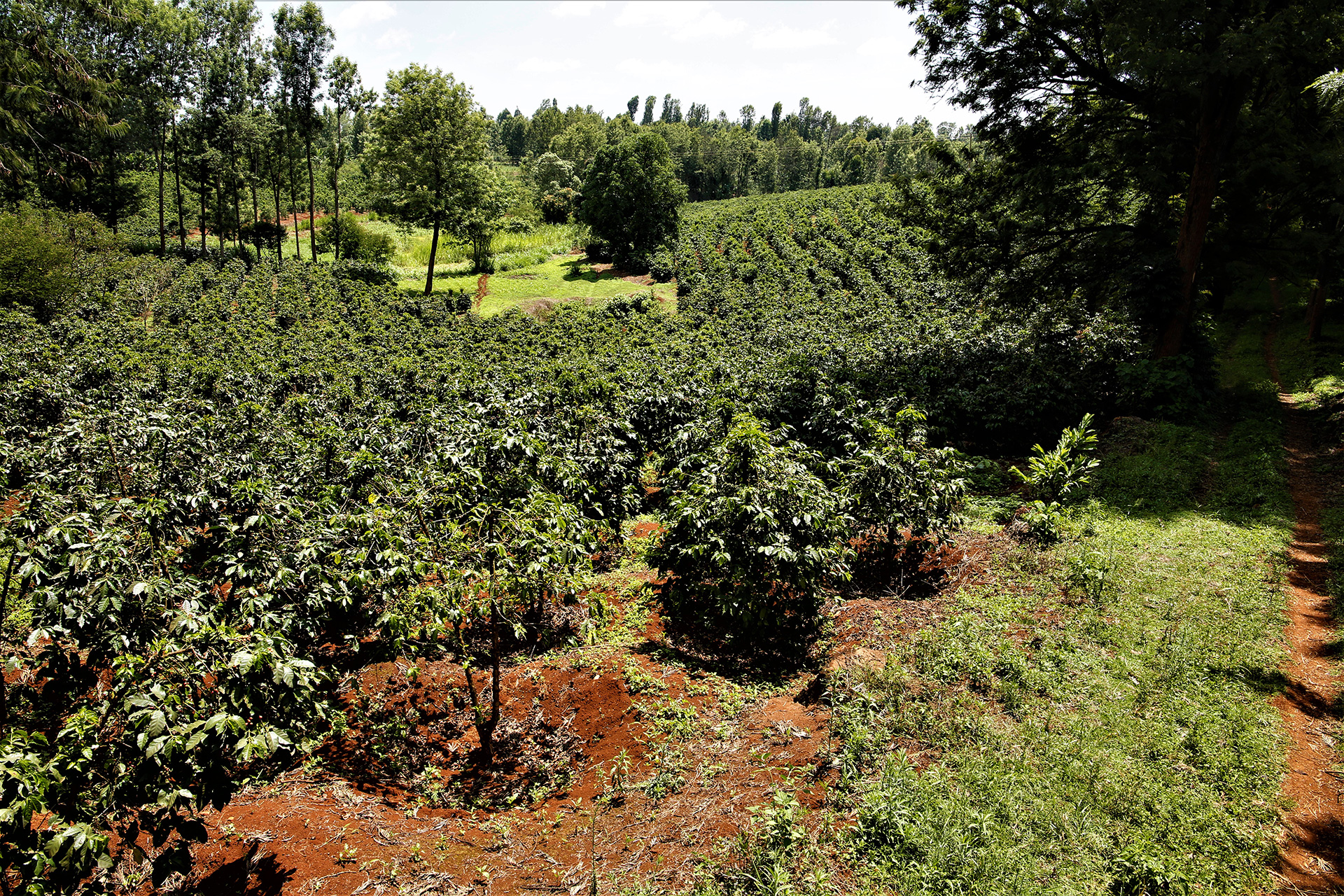
Yes. Early in my career I experienced a life-changing realization. I started working in coffee in a non-producing country, where I discovered that coffee was not just a beverage . For years I traveled to visit farms in many countries, but only this year I was finally able to step into a coffee field in my own country, Bolivia. That moment of returning to my roots reshaped my vision and confirmed that coffee would always be my profession, my passion, and my way of creating well-being for the future.
Is there a person or persons who served as your mentor early in your coffee career? How did they impact you?
One of my most important mentors has been Jesús Salazar, founder of Cafeología. From him I have learned not only ways of working with coffee, but also ways of being, thinking, and seeing the world. His perspective taught me to approach coffee and life as inseparable—to understand finance, strategy, and daily work as tools in service of care, community, and a deeper purpose. That vision continues to shape how I walk my path in coffee.
What is your current role in coffee?
I currently serve as Finance Director at Cafeología. My role is to align financial strategy with the broader mission of coffee as a system of care, knowledge, and community. In addition to leading finance, I am responsible for managing the company’s exports, working directly with roasters and partners around the world. I also teach the course Economy and Finance of Coffee, a highly specialized and ambitious program that equips producers, professionals, and students with tools to understand and navigate the financial realities of coffee. Across all these roles—finance, exports, and education—my work seeks to create structures that sustain quality, innovation, and long-term prosperity.
What facet of the coffee industry has changed the most during your career?
The facet that has changed the most during my career is the recognition of the people who have always sustained coffee, especially women like Samaria. Her presence—attentive, curious, alive, complete—reminds me that coffee is not only about markets or categories, but about ways of being and seeing the world. What has shifted most is the growing respect for different worldviews: understanding that we may never fully comprehend them, and that our own perspectives are not superior because of it. This change—from invisibility to recognition, from reduction to complexity—has reshaped how I understand coffee.
What still surprises you today about coffee, or gives you joy?
Honestly? A cup of coffee. Hahaha.
What still surprises me and gives me joy is its endless ability to connect. Every cup is never the same.
What’s something about the coffee industry you’d most like to see change?
I would most like to see a change in how value is distributed across the coffee chain.
What is your most cherished coffee memory?
My most cherished coffee memory is the first time I was at the harvest center in La Hilda, in Central Valley (Costa Rica). I was struck by its particular rhythm—a way of being that felt both unique and natural. The flow of people, the movement of cherries, the sounds and colors all carried their own cadence. There was so much abundance in that place, not only of coffee but of life itself, that it was truly beautiful. That memory stays with me as a reminder of what coffee really is.
Do you make coffee at home? If so, tell us how you brew!
Yes, I make coffee at home every day, but Saturdays have their own name and rhythm. They are my ritual. I try to wake up before everyone else in the house—my husband and our two little kids—to prepare a manual brew on my V60, which has the same age as my professional life in coffee. I drink it by the window, quietly and happily, enjoying that simple moment of peace.
What is your favorite song/music to brew coffee to?
Jorge Drexler: “Todo se Transforma”
What is your idea of coffee happiness?
My idea of coffee happiness is simple: a good cup shared in a moment of connection. Sometimes that’s with my family on a quiet morning, sometimes with colleagues around a table of cuppings, and sometimes with producers in the middle of harvest.
If you could drink coffee with anyone, living or dead, who would it be and why?
Con mi abuelita. 🥰
What’s one piece of advice you would give someone getting their start in the coffee industry today?
My advice would be: once you enter coffee, it will stay with you forever. This industry has a way of capturing your heart and your mind—it challenges you, teaches you, and gives you purpose.
The Sprudge Twenty feature series is proudly presented by Pacific Barista Series.