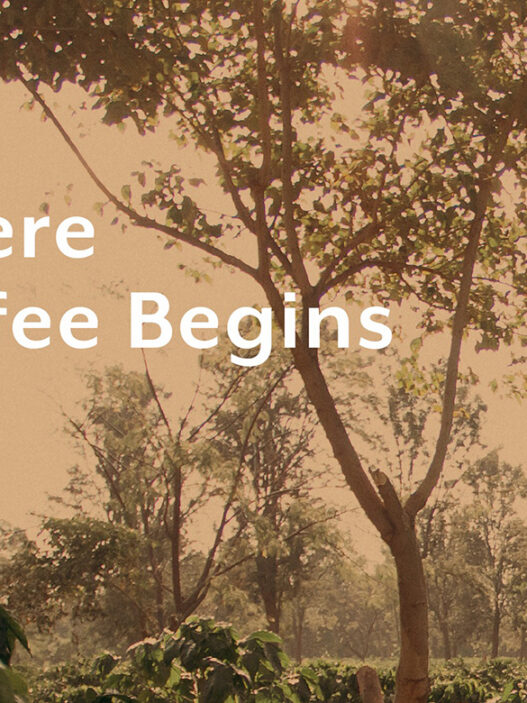

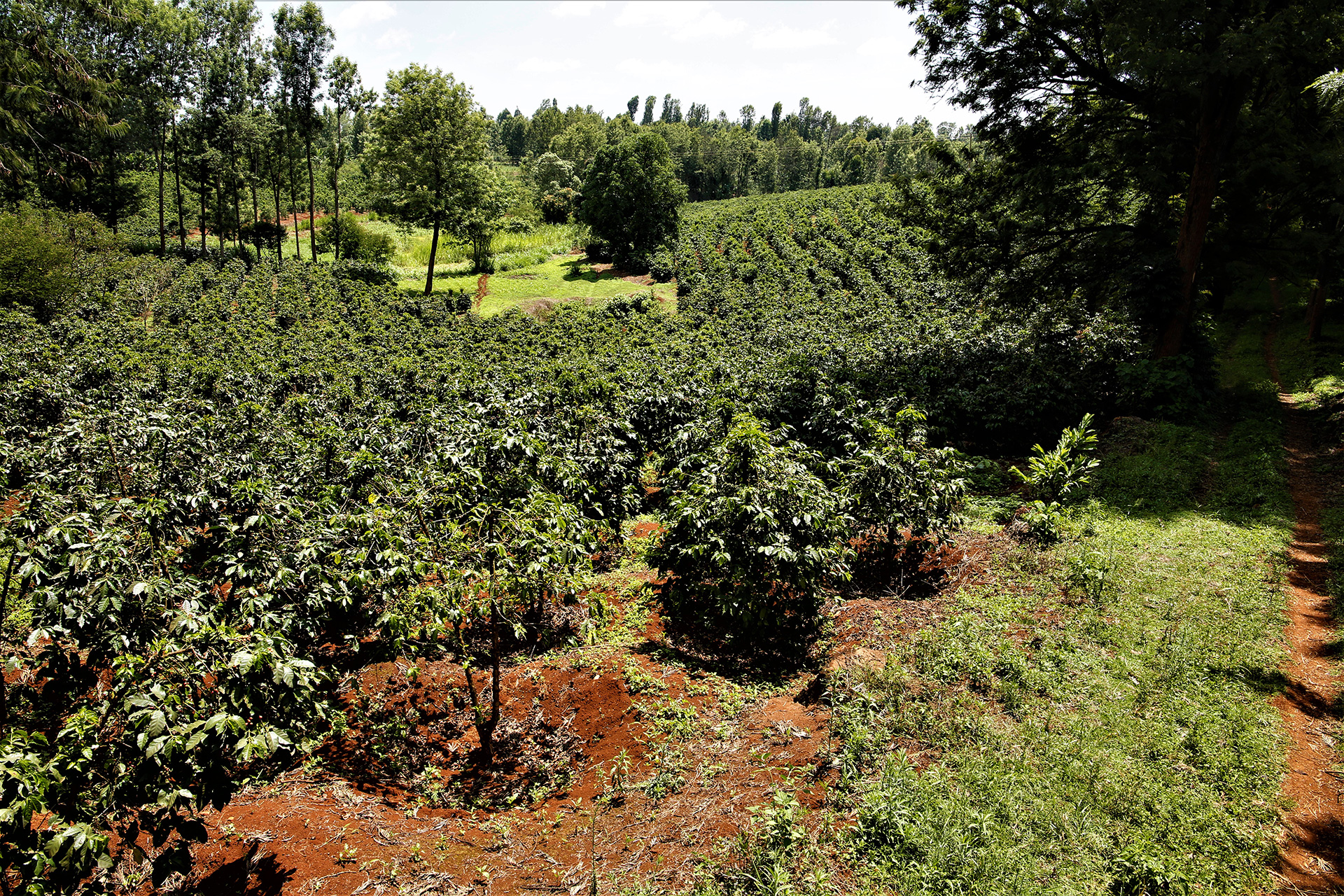







Much of the work being doing in the safeguarding of coffee production’s future in the face of climate change revolves around finding and/or creating new varieties. Often the coffee plants are bred for higher heat and drought tolerance, coffee rust resistance, and increased yield. But a new agricultural technology start-up is taking a different approach. Lilliput Technologies has created a new biopolymer that is showing a great deal of promise in the protection of coffee plants from increased heat.
Biopolymers are natural, biodegradable substances derived from renewal biological resources like plants and bacteria. They offer ecologically friendly alternatives to traditional petroleum-based polymers. As reported by AgTechNavigator, Lilliput’s new biopolymer is called Lillishield. Most biologicals, per the company, work by mitigating biotic stresses on plants, damages “caused by living organisms including fungi, bacteria’s, nematodes, insects, viruses, and viroids.” Lillishield on the other hand looks to tackle abiotic stresses, which include “non-living environmental factors like drought, extreme temperatures, salinity, heavy metals, or intense sunlight.” In other words, climate change.
Coming in a liquid form, Lillishield requires no special equipment and is sprayed directly onto coffee plants, where it works to keep them from additional heat stress by blocking 70-90% of UR and IR radiation. That excess heat gets released back into the atmosphere before it can damage the plant. All the while the biopolymer doesn’t interfere with the plants’ photosynthesis processes.
And there are additional benefits. According to Lilliput, because of Lillishield’s protection against excess heat, their tests indicate that the water demand for a plant could decrease by up to 60%, which would be especially beneficial in rural producing communities where water resources and irrigation are extremely limited. It also could protect plants at their most vulnerable.
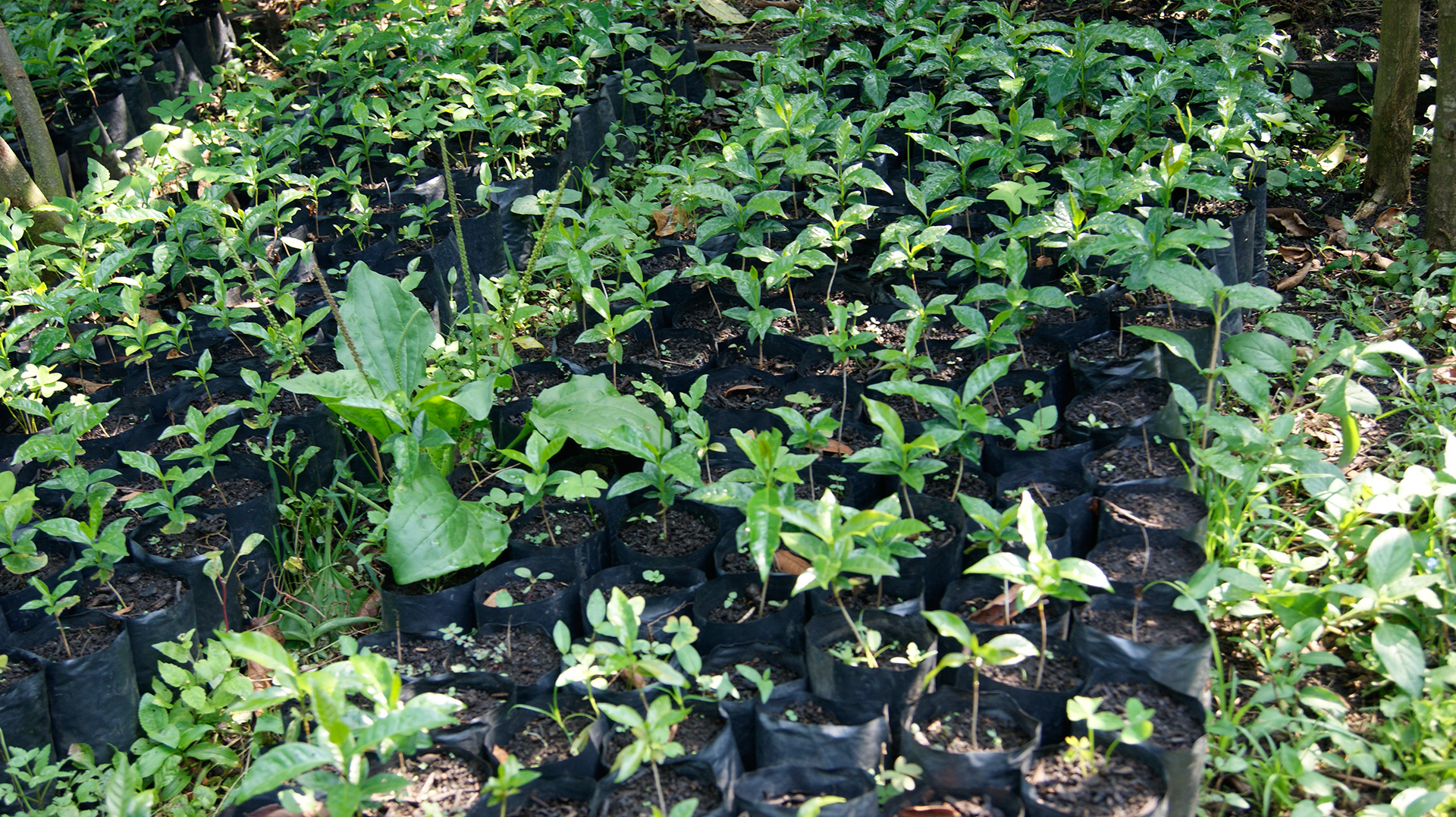
“When you transfer coffee seedlings from a nursery to the actual open-field conditions, these seedlings suffer a lot, and that is their most vulnerable stage of development,” Lilliput Technologies co-founder and CEO Mauricio Herrera Rodriguez state. “And that is where farmers also face the highest risk because they need to put a lot of labor into preparing the fields.”
Lilliput is currently ramping up for a pre-seed round of funding and is in the process of filing to U.S. patents to continue field testing the product.
But it is nonetheless an exciting and potentially revolutionary development for coffee producers. Instead of having to rip out coffee trees to replace with more climate change-friendly varieties, requiring a great deal of time and labor and potentially decreasing revenue until the new trees begin producing, Lillishield would allow producers to continue growing the varieties they know without interruption. Which, if it is can do while also being ecologically safe, could be a game changer.
Zac Cadwalader is the managing editor at Sprudge Media Network and a staff writer based in Dallas. Read more Zac Cadwalader on Sprudge.