










Microplastics are everywhere, including inside you. It is a sad and unavoidable fact of modern existence. And a new study finds that your coffee may be contributing to the problem. Hot coffee in to-go cups in particular.
For the study, which will appear in the journal Science of the Total Environment, researchers from the University of Birmingham in the UK sought to examine how what we consume contributes to the amount of microplastics found in our systems. They note that now even drinking water has microplastics, but water isn’t the only thing folks regularly drink. To that end, the researchers assessed microplastic levels in some of the most common beverages. These include a variety of different hot and cold coffee preparations, hot and cold tea, energy drinks, fruit juices, and soft drinks.
A total of 155 drink samples were assessed for microplastics. Each sample was tested under extremely fastidious conditions to avoid cross-contamination—because that’s how ubiquitous microplastics are these days. This includes cleaning the outside of each sample’s canister multiple times with ethanol, cleaning filtration systems before and after use, continuous cleaning of the workspace, and only wearing pure cotton lab coats and nitrile gloves during the experiments.
They found that coffee, both hot and iced, contributed to microplastic ingestion. One of the largest offenders of the coffee samples came via hot coffee served in a to-go cup (that the researchers purchased from a popular UK coffee shop). It was found to have on average 16 microplastics per cup, whereas iced coffee in the same PET cups had on average 11 microplastics.
The researchers note that these numbers seem small relative to prior studies, which found microplastic counts to be in the tens of thousands, but they go on to say that those studies looked for both cellulose and synthetic microplastics, whereas their study focuses on the more harmful of the two, the synthetics.
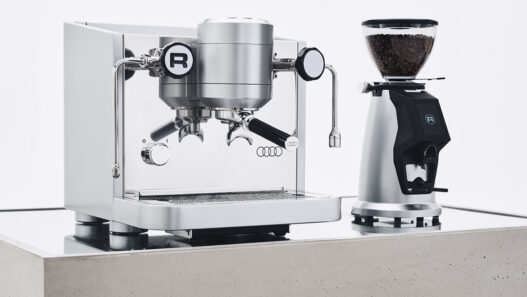
Coffee made in home machines showed a wide variation in microplastic levels depending on the age of the machine. The oldest machine tested, an eight-year-old coffee maker, was found to have 17 microplastics per cup; the machine that was less than a year old only had seven microplastics per cup.
Based on consumption averages in the UK, researchers estimate a total of 11% and 12% of daily microplastics consumption comes from coffee for women and men, respectively.
It is further proof why coffee shops need a better solution for to-go coffee. Yes, plastic-lined paper to-go cups are a necessary evil for cafes, but only because customers demand the convenience. They’re not just bad for the environment, they’re bad for you. Maybe that’ll be enough to finally move the needle.
Zac Cadwalader is the managing editor at Sprudge Media Network and a staff writer based in Dallas. Read more Zac Cadwalader on Sprudge.