










Roasting coffee using the power of the sun has been a goal for some sectors of the industry. Wonderstate Coffee, for instance, harnesses all the electricity in their Wisconsin roasting facility from solar panels. James Hoffmann teamed up with electric roaster company Bellwether to roast coffee in the desert for some bizarre reason, I guess because there’s lots of sun there. And in Italy, PuroSole has taken a more direct approach, using mirror to literally cook coffee with concentrated sun rays.
And there’s a new approach to solar coffee roasting, one that has the potential to transform existing gas roasters into lean clean coffee cooking machines.
As reported by Tech Xplore, the new method was developed at the National Solar Thermal Test Facility at Sandia National Laboratories in Albuquerque, New Mexico. They have created a novel way to capture and later control the disbursement of heat created by the sun.
It all starts with photovoltaic panels (more commonly known as solar panels) collecting energy from sunlight. That energy gets transferred and stored “in a bed of rocks,” which is then used as a controllable heat source for the roaster, capable of reaching temperatures up to 600°C (1,100°F).
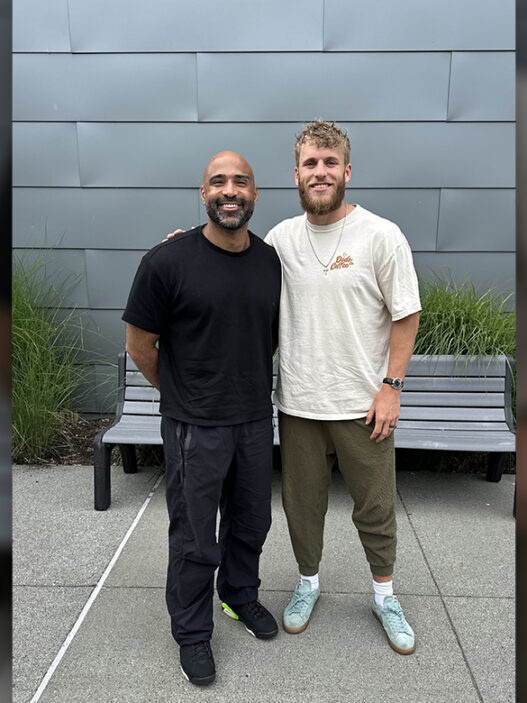
The real-world application of roasting via this power source has already been tested by Michael Thomas Coffee, a 20-year-old roastery and coffee shop in Albuquerque whose owner and founder Michael Sweeney has been collaborating with Sandia to find solar-based solutions for coffee roasting.
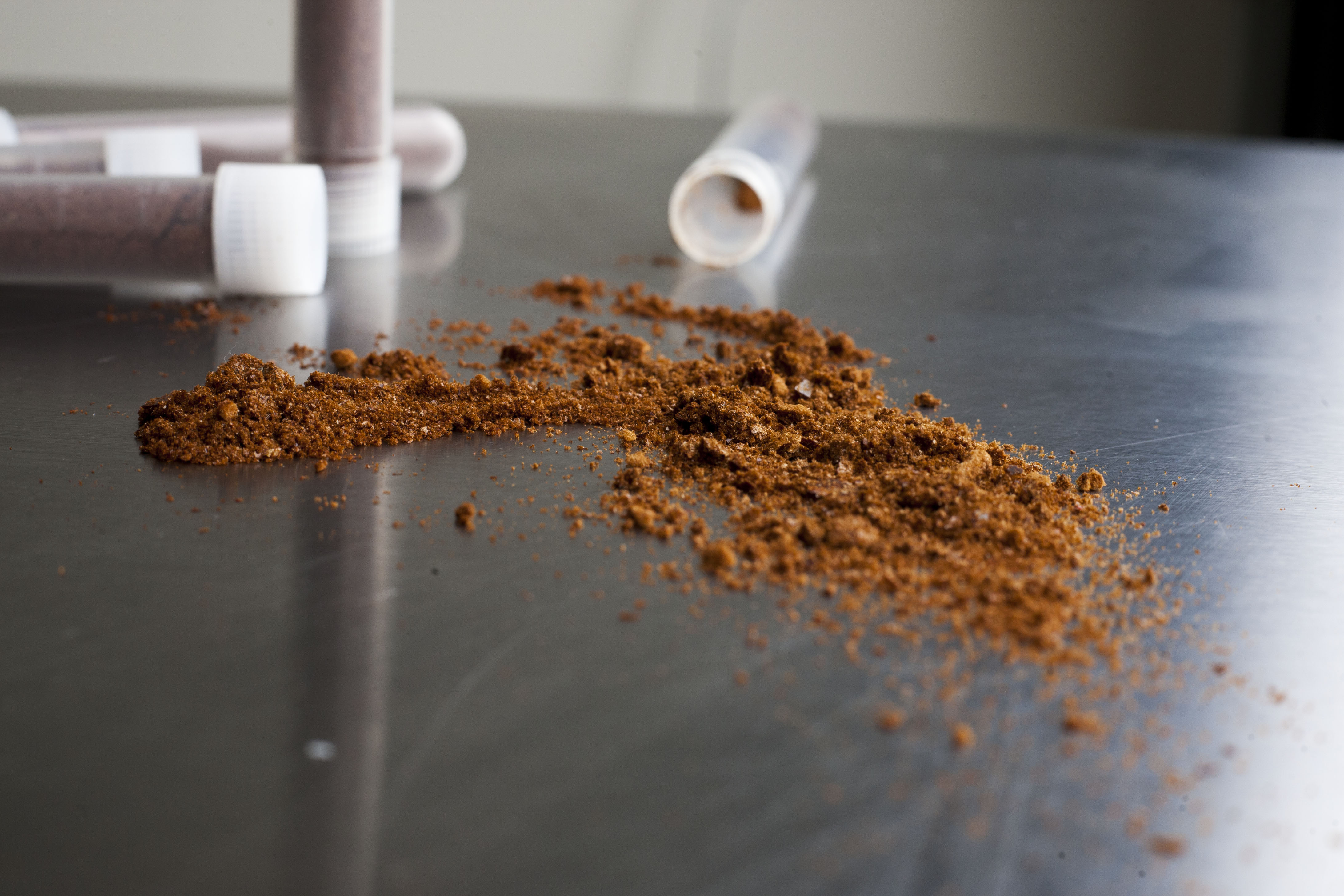
As part of their testing Sweeney and his daughters, who also roast for the company, roasted coffees using the stored solar heat to light, medium, and dark profiles. They found that it cut roast times down significantly when compared to traditional gas roasters, “by a few minutes for the dark roast,” with similar experiments using green chiles (this is New Mexico after all) finding a decreased overall roast time and a more uniform cook. Though how that applies to coffee, a notoriously finnicky product that requires precision heat application, remains to be seen.
Other practical benefits of the rock bed power is that the roaster was able to be preheated and cooled more quickly, resulting in higher throughput and ultimately the ability to roast more batches in a smaller window of time.
The ultimate goal of the experiment is to create a bolt-on system that allows already existing gas roasters to utilized stored solar energy as its heat source, with enough capacity to run a roaster for days on a single charge.
“It’s not learning a new roasting machine. It’s working with your current roaster that you know extremely well and just adapting to a different energy source,” Sweeney states.
This is perhaps its greatest impact, the ability to ease the transition from fossil fuels to abundant renewable energy using the equipment a roastery already has. Switching can be cost prohibitive and technology like this could potentially decrease the financial burden of doing so, all while allowing roasteries to choose their machinery on factors beyond its carbon footprint.
Zac Cadwalader is the managing editor at Sprudge Media Network and a staff writer based in Dallas. Read more Zac Cadwalader on Sprudge.