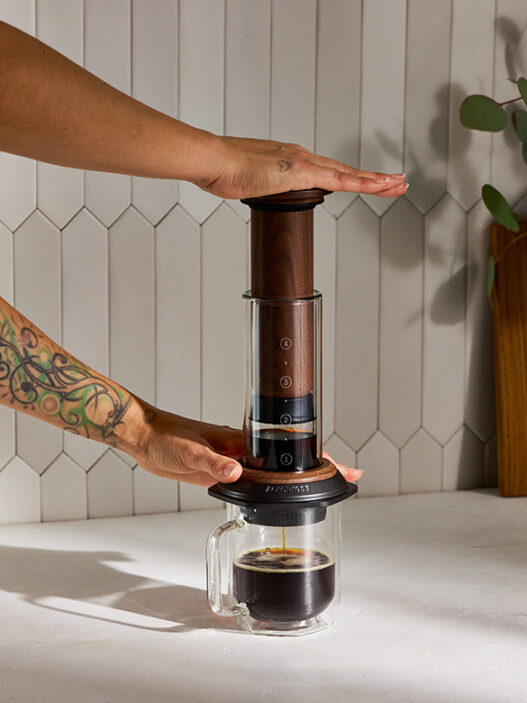












You know, which great precision, the exact amount of water in grams that it takes to produce your morning cup of coffee. But do you know the true water cost of that cup? Turns out, it’s a whole lot more.
According to Space Daily, multiple research papers have drawn roughly the same conclusion: for every 125ml cup of coffee it actually takes 140 liters of water. Put another way, it takes more than 1,100 drops of water for every drop of coffee. By contrast, a similarly sized cup of tea only requires 34 liters.
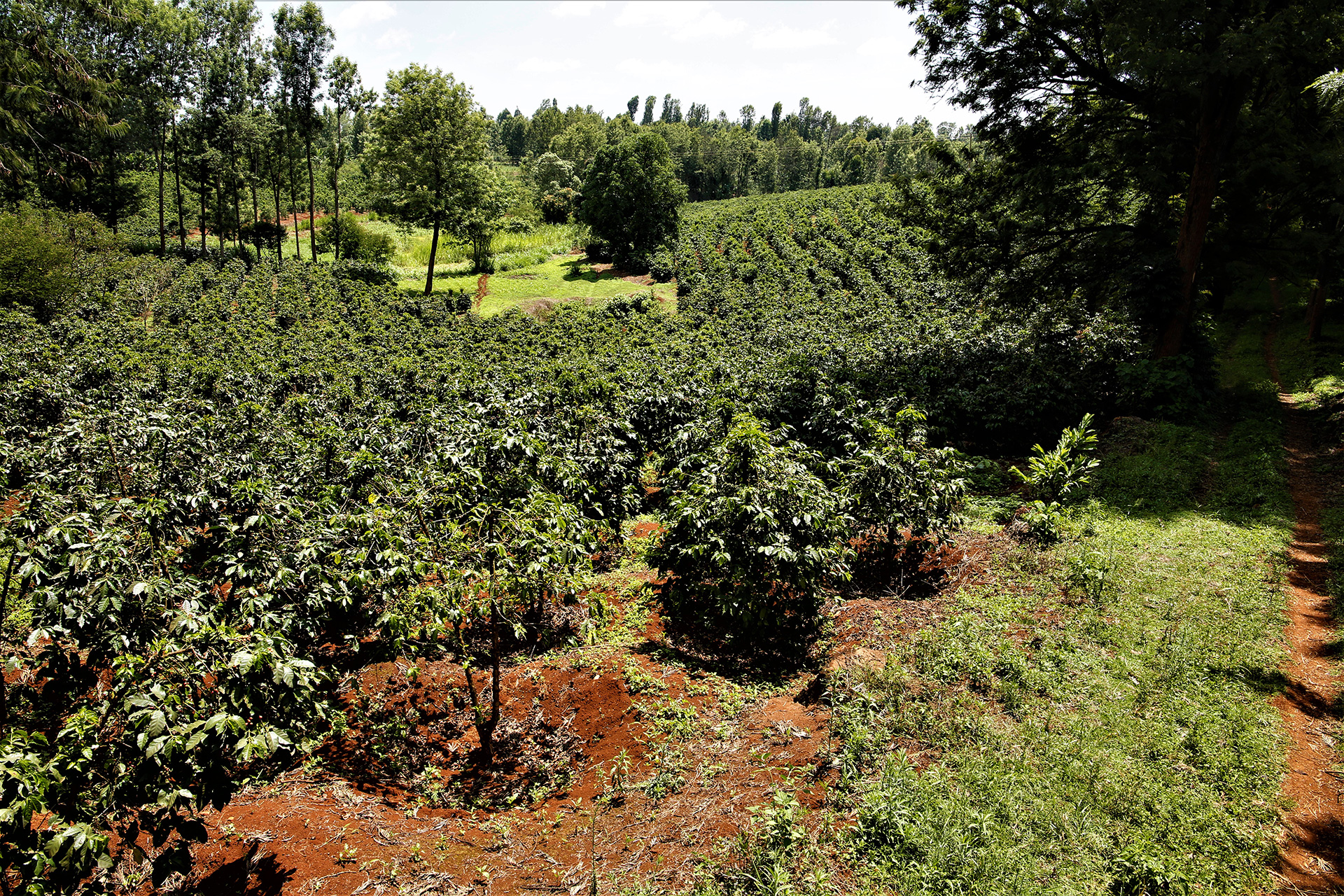
An overwhelming majority of that water, more than 99% of it in fact, is used before the coffee ever makes it to the consumer. It’s the amount needed at the farm to produce the crops that result in everyone’s daily cup.
Aside from being an objectively large number, the potential impact is experienced in the rural farming communities, where access to water may not always be guaranteed. Even water used for wash processing, which was calculated to be a total of .34% total water used, could negatively affect “people living downstream of coffee farms or mills” if it pulls from “their primary drinking-water supply.”
Which is to say, where the coffee comes from matters just as much, if not more so, than the total water used. It’s a point many critics have brought up with the big scary number. It is a combination of green water, or rainwater; blue water, which is surface water or groundwater; and gray water, which is “a measure associated with water pollution. Saying that a cup of coffee requires 140 liters of water doesn’t tell the full story.
And in fact, it is often the case that a majority, if not all, the water used on a coffee farm is green water. Many farms on Kona, for instance, rely solely on rainwater not just to feed their crops but for themselves as well.
And how does coffee stack up to other daily products? Using the same 125ml (or for these purposes, grams), here are the water costs of other daily items.
Avocados: 250 liters
Beef: 1,875 liters
Wine: 55 liters
White rice: 312 liters
Point is, there’s a water cost to everything we consume. And with tech billionaires trying to commandeer entire community water supplies to cool their AI data centers, water is a currency worth being aware of. That doesn’t mean anyone needs to switch to molecular coffee alternatives and the many false narratives they hock. But it does mean that we should all be mindful. Mindful with the coffee we buy, making sure as best we can that it is produced responsibly (buying specialty coffee is a good first step). And mindful with the coffee we make. Which is to say, you better finish that coffee.
Zac Cadwalader is the managing editor at Sprudge Media Network and a staff writer based in Dallas. Read more Zac Cadwalader on Sprudge.