



What is a WDT tool?
If you’ve watched a barista closely in the last decade, you may have noticed some changes in their espresso preparation routine. After filling the portafilter with coffee, and before tamping down the espresso, many baristas have added another step—distributing the ground coffee with a gizmo known as a WDT (Weiss Distribution Technique) tool.
This spiky handheld device looks like a small, open-tipped whisk, or perhaps one of those scalp-ticklers… but for espresso. Available in various shapes and styles, this manual tool has been embraced by the industry as the best way to prepare a dose of espresso for extraction by evening out the way the grinds are dispersed in the portafilter. This action is intended to reduce the paths that create water channeling and uneven extraction, in order to make your espresso taste better.
How did it get that catchy name?
The Weiss Distribution Technique, and its related tool, are named for John Weiss, a biomedicine and computer science researcher who is also an espresso enthusiast. In 2005, Weiss began pursuing the perfect espresso shot, inspired by the early 2000s phenomenon of what was then called “espresso porn” (don’t Google that): a trend of photographing lush, tiger-striped espresso dripping from bottomless portafilters.
“I questioned why some pours were beautiful while others looked like crap,” says Weiss, who concluded that uneven extraction, due to uneven grounds distribution, was the problem.
To test his extraction/distribution theory, Weiss first looked to tools he had lying around the house. “I still had a dissecting kit from college, so I tried using a dissecting needle to stir the grinds.”
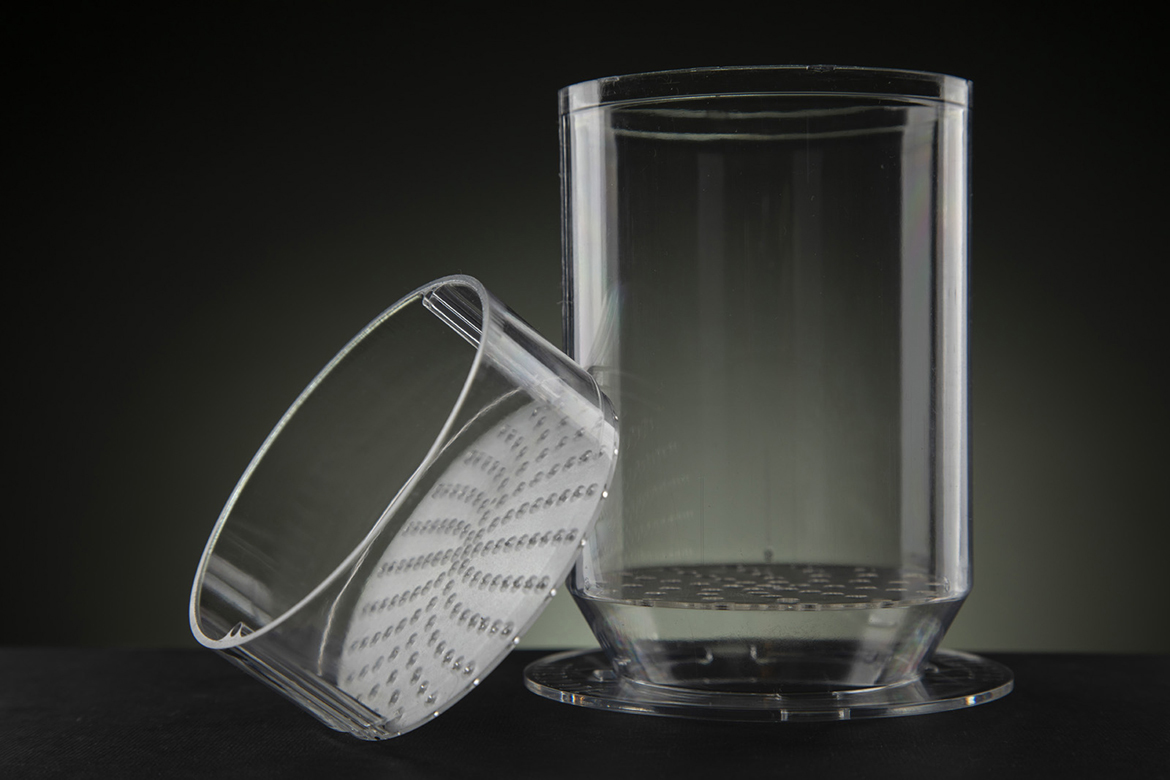
“This was also helpful in breaking up clumps,” says Weiss, which was a common problem with early doserless grinders. “I don’t know who thought of adding more needles, but that was a good idea for speeding up distribution.” He paired the needle tool with a homemade dosing funnel—made from a repurposed yogurt cup—in order to reduce mess while raking through the grounds.
Weiss began sharing about his method on coffee enthusiast message boards, and the rest, like so much uneven distribution and unpleasant channelling, is now history.
Wow! Did John Weiss invent any more coffee stuff?
“If I had it to do over, would I have focused more on coffee research? Hell yes!” says Weiss. “At the time, it seemed like just a fun hobby. But looking back, my silly WDT article garnered far more attention than any of the 80+ scientific articles I’ve published, in fields as disparate as biochemistry, neurobiology, climate modeling, and artificial neural networks.” In the coffee realm, Weiss has more recently contributed software for extraction analysis for Decent Espresso machines.
What styles of WDT Tool are available these days? Have other options evolved in past decades?
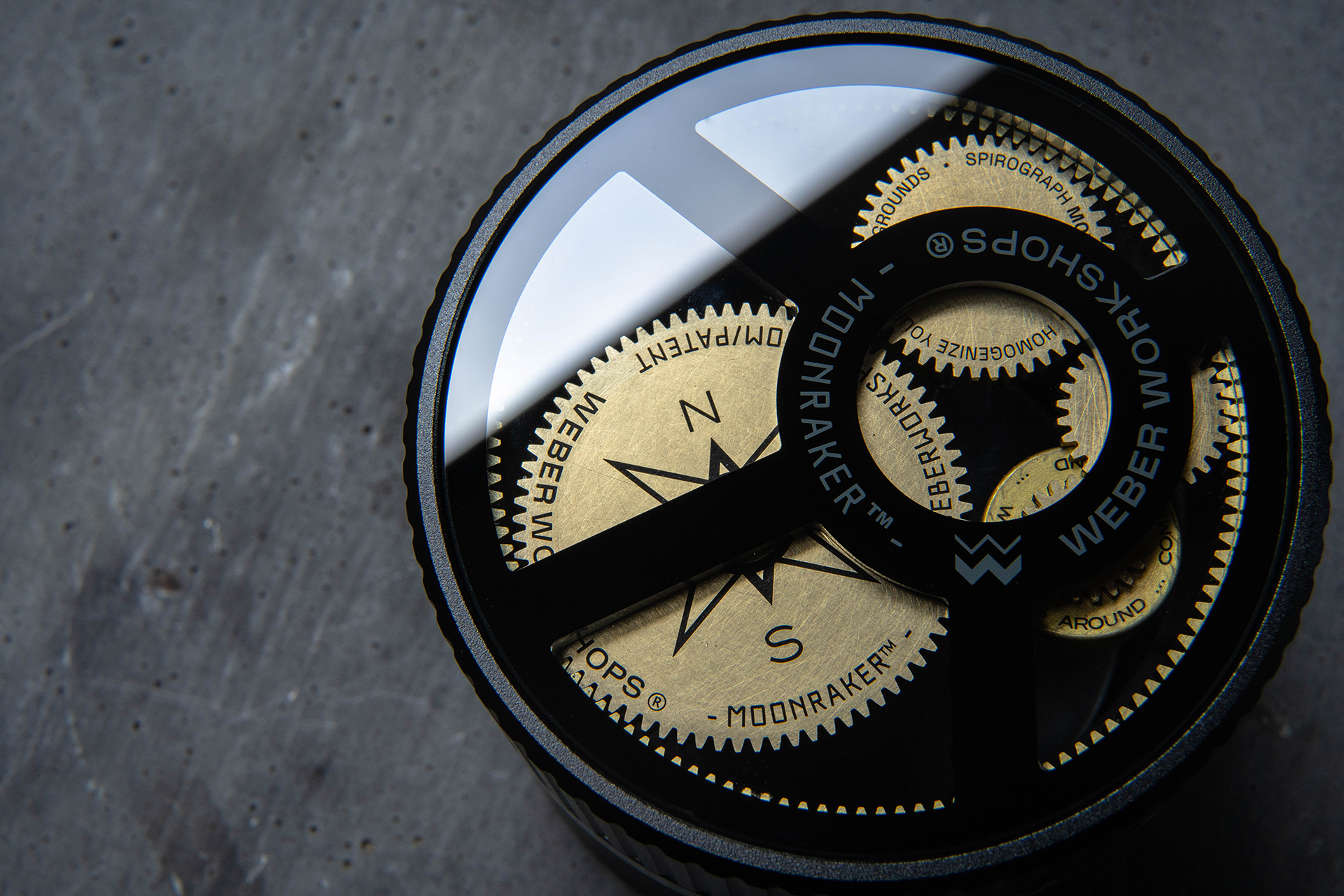
A truly staggering range of WDT options exist in the modern age, from high-end tools like the Duomo or Moonraker to just grabbing some paperclips off your desk. Other tools now exist as well that can be used alone or in series with the WDT tool, like wedge distributors or even devices that vibrate the portafilter.


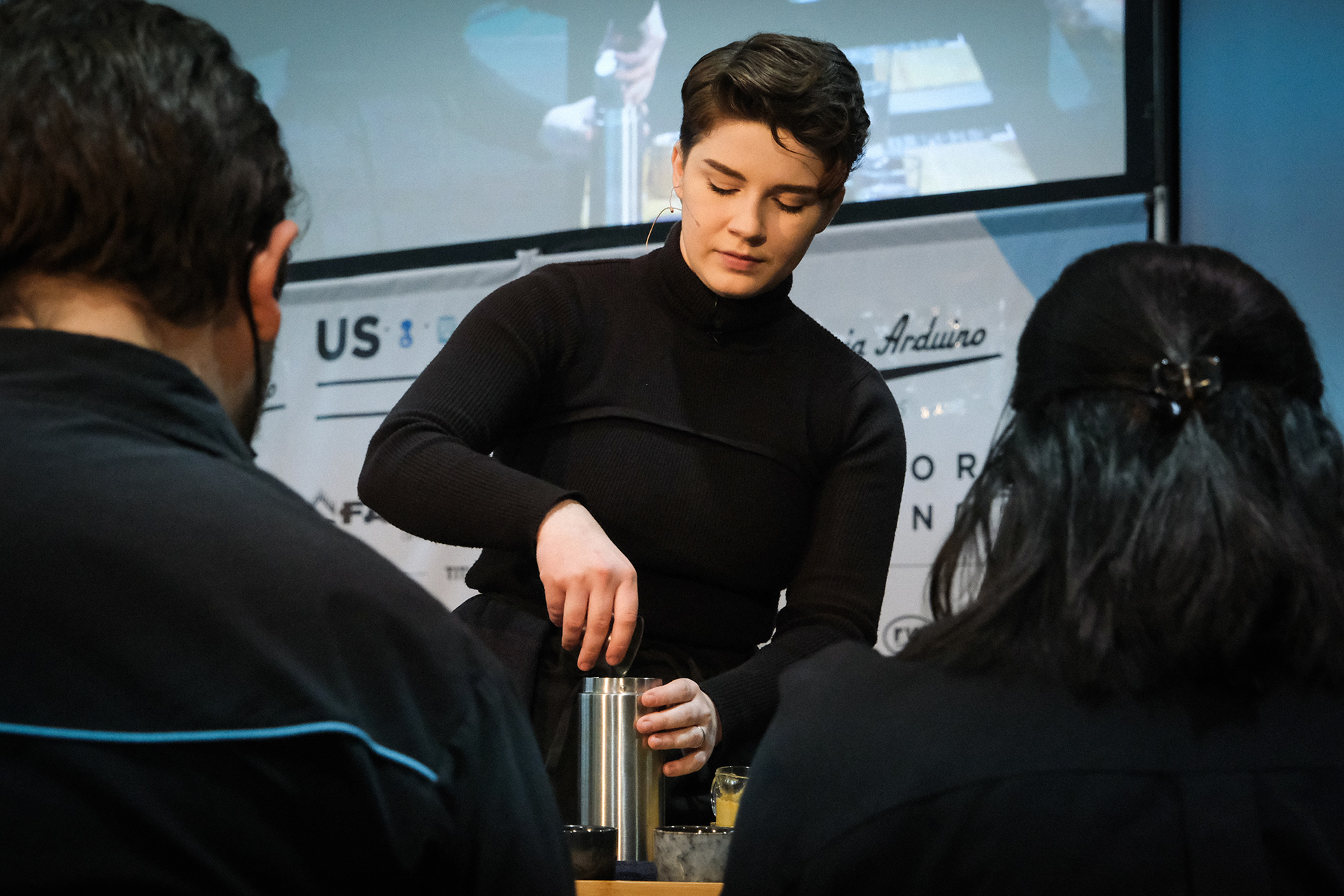
The style of WDT tool desired often depends on use case. We turned to Monogram Coffee co-founder and seven-time Canadian Barista Champion Ben Put for insight.
“In our cafes, we have Autocombs, they’re the fastest and most robust and least likely to bend the needles,” says Put—who notes that at Monogram, not all espresso drinks are WDT’ed. “We try and figure out drinks based on hieracrchy—when are you gonna taste it?”
Put says that for any drink smaller than a cappuccino, Monogram baristas use a WDT tool. “Those coffees are a little bit more fruity and adventurous and we assume that the customers are a bit more discerning, so we use all WDT for that.”
While we have you here, does Ben Put think WDT tools are essential for barista competitions?
“It’s a regular part of my coffee prep,” says Put, who says he’s tried pretty much all the tools out there. “I’ve used a Moonraker onstage quite extensively, because the needles follow a different path than just a circle.” Put notes that competition scores include points for both appearance and tech, and that can influence the use of a WDT tool in competition routines.
“I think that there is definitely an improvement over not doing anything, but I don’t know if it’s a silver bullet,” says Put. “A lot of the reason that baristas [at world championships] are using it is to make sure they get a good score in tech.” Put notes that 2025 World Barista Champion Jack Simpson used a WDT tool, then a vibration plate, to settle his espresso grounds. Put deems this additional step “a compass pointing us in the right direction.”
Do I really need to do this coffee-whisking business, though? Will a good enough grinder eliminate this step one day?
As grinders have improved over time, the issues addressed by the Weiss Distribution Technique have diminished. But many baristas still insist using the technique—and tool—is the best method to ensure a well-extracted shot. As with Simpson’s vibration plate, evolution of technology continues hand in hand with our understanding of what is needed.
“WDT I think is bringing attention to the fact that our coffee density is not even,” says Put, “but I think it’s the start of understanding coffee density—not the end.”
Liz Clayton is the associate editor at Sprudge Media Network. Read more Liz Clayton on Sprudge.