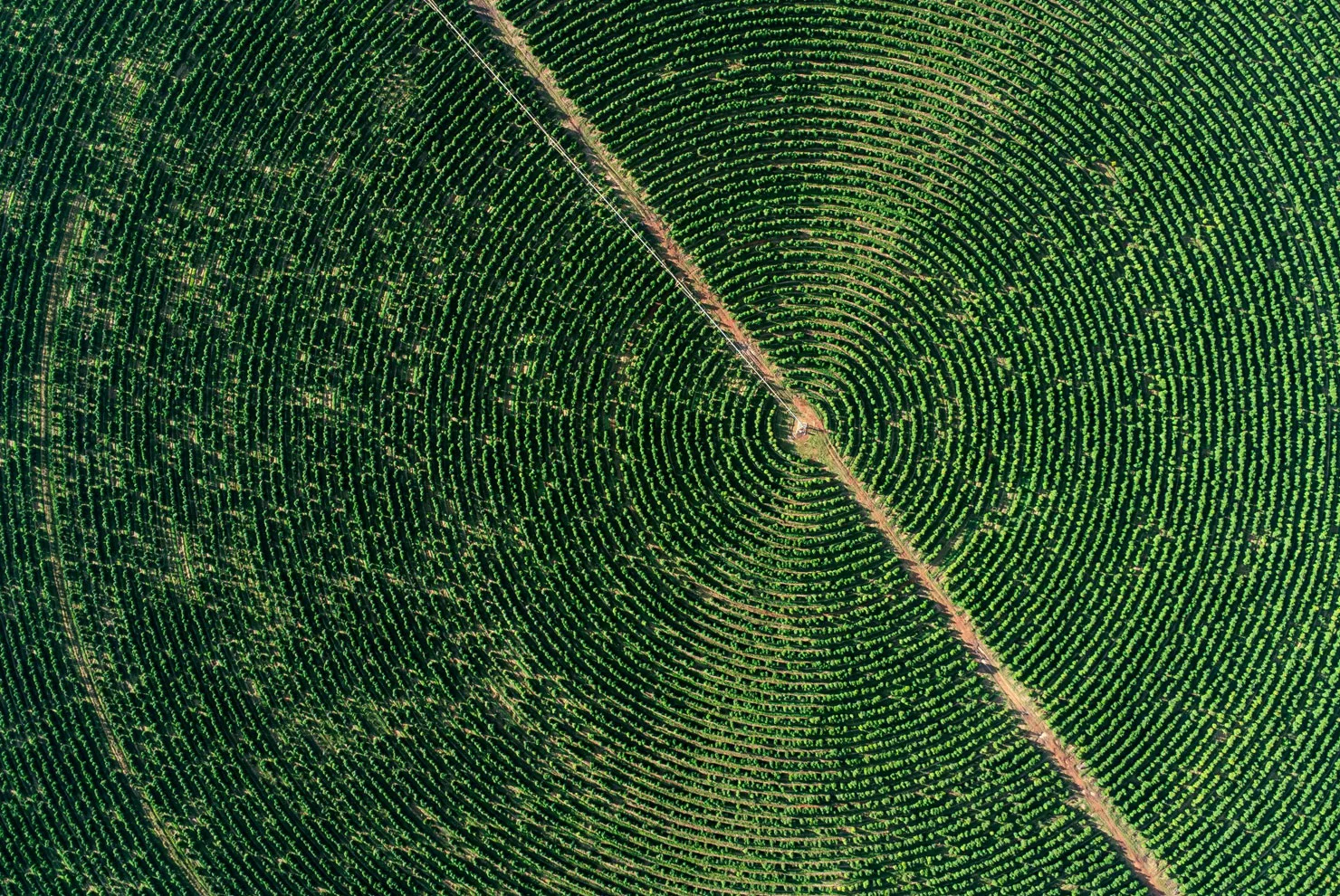
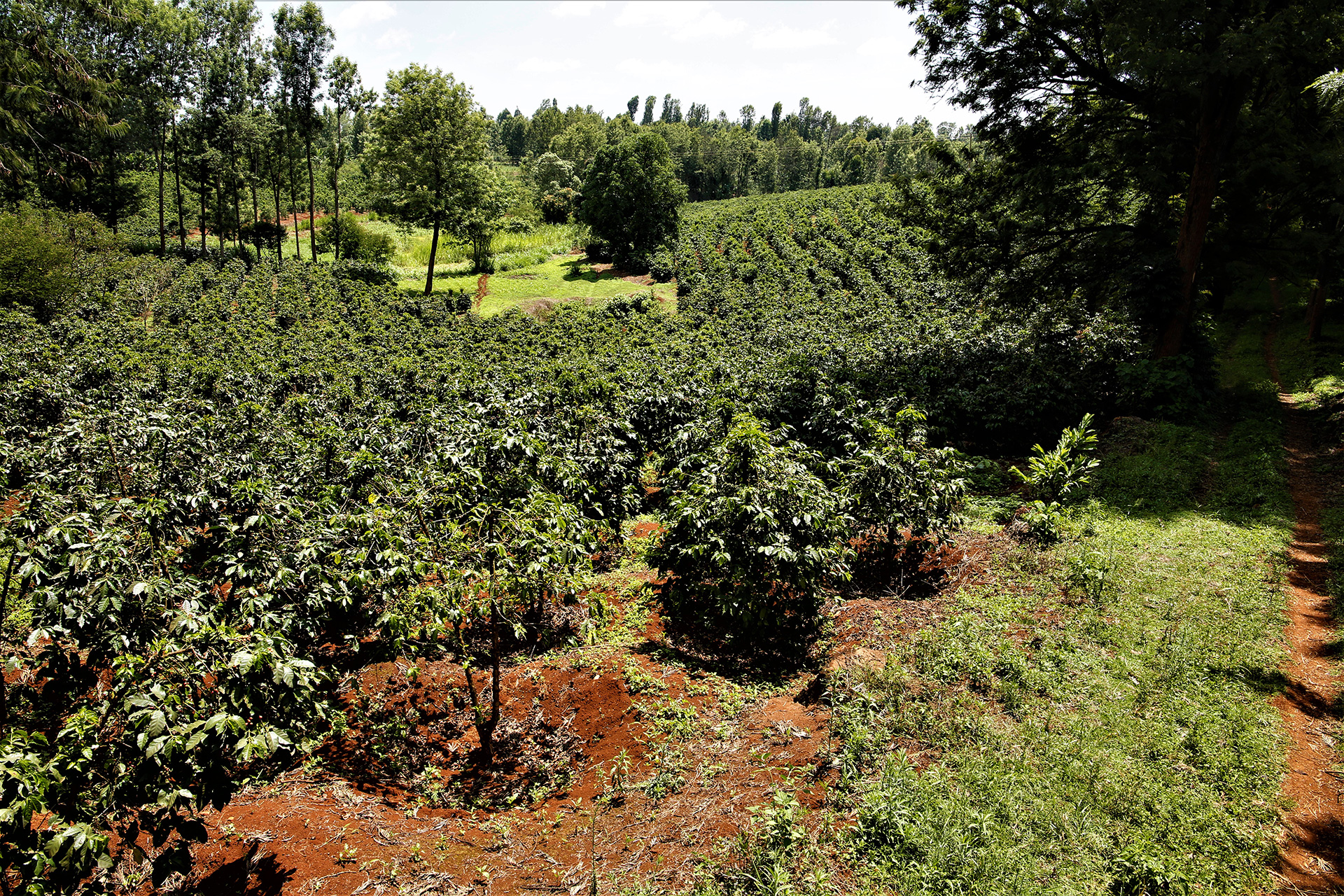










Of all the godawful trends at the intersection of coffee and tech—of which there are oh so many, from the VC money dumps to the unnecessary AI to the blaming of baristas for companies going automated to save a few bucks—the one I hate the most is the specious claim that coffee growing causes deforestation.
Now, it is technically true. There are people who rip out rainforests in order to plant coffee trees, which is certainly a problem. And these instances are used to levy an attack on the entirety of coffee growers, despite the fact that many work in ecological beneficial ways. And the people making these broad statements are generally only doing so to hawk their coffee alternatives (some of which even have a half-coffee half-not-coffee blend, and good luck figuring out the mental gymnastics that took after vilifying coffee farmers). In reality, for folks willing to rip out the rainforest for a profit, it doesn’t matter what the crop is. Could be coffee or avocados or cacao or to raise cattle. If it wasn’t coffee it would be something else.
So yes, coffee has been used to deforest areas by bad actors. But! BUT! A new study finds that coffee can also be used to capture greenhouse gases and other harmful industrial emissions.
As reported by Bioengineer, a new process has been developed by researchers at the University of Sharjah in the United Arab Emirates whereby used coffee grounds and polyethylene terephthalate (PET) plastic are used to trap CO2 emissions. Using a patented process, coffee grounds and PET undergo co-pyrolysis, a process by which they undergo temperatures of 600°C “in the presence of potassium hydroxide.”
This produces activated carbon, whose large surface area and porous structure make it highly efficient at CO2 absorption before the molecules make it to the ozone layer.
The new process offers significant ecological benefit beyond the carbon capture. The primary one being that it relies upon coffee grounds and PET, two things that routinely end up in landfills, turning them from a negative to a positive. The process is also inexpensive and uses an “eco-friendly activation temperature” for the co-pyrolysis.
And the eco-friendly activated carbon produced has potential for a wide variety of industrial applications, including drinking water filtration, wastewater systems, gas purification, and air purification uses like “cleaning flue gases from waste incineration and controlling emissions from fossil fuel combustion.”
So while coffee can be a tool used for deforestation and all the harmful downstream ecological entailed, thanks to the new process, it can also be used to counter it. And let’s see all the date pits or whatever are used to make not-coffee do that!
Zac Cadwalader is the managing editor at Sprudge Media Network and a staff writer based in Dallas. Read more Zac Cadwalader on Sprudge.