










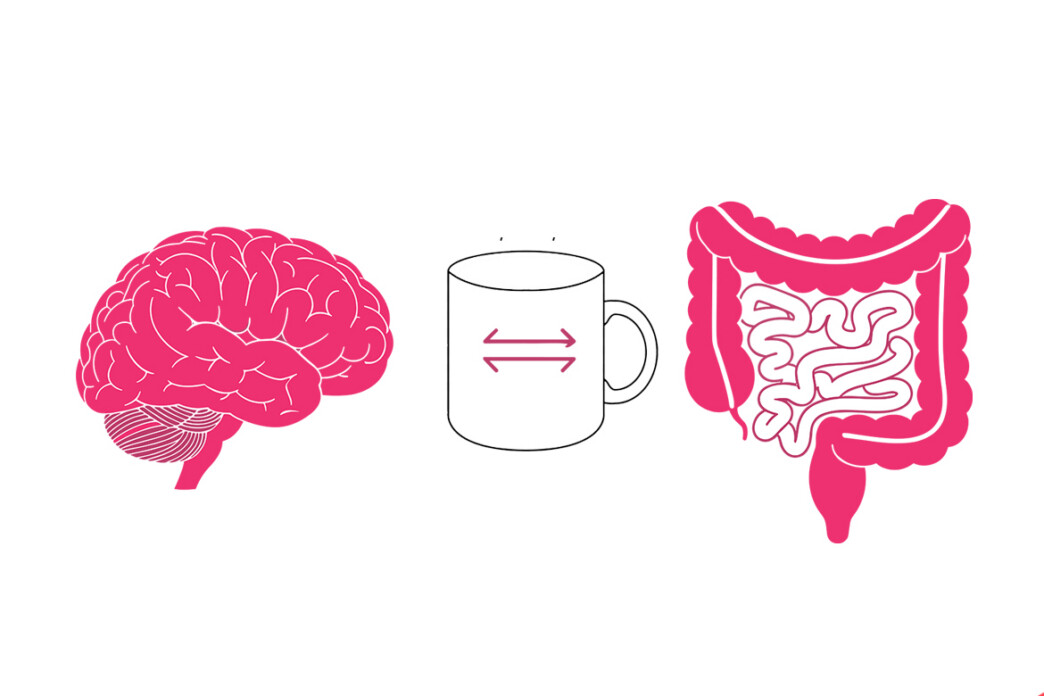
Coffee’s beneficial effect on gut health as well as brain health and mood have been thoroughly studied separately, but new research suggests coffee may have positive effects on the gut-brain axis.
The gut-brain axis is a bidirectional means of communication between the gut microbiome and the brain, allowing the gut to impact things like mood and stress levels. For this latest study, published in the journal Nature Communications, researchers from University College Cork’s APC Microbiome Ireland sought examine how coffee impacts the gut-brain axis.
For their study, per The Independent, researchers followed 31 regular coffee drinkers—defined as those who drink three to five cups of coffee daily—and 31 non-coffee drinkers over a period of two years. Leading up to the study, the participants were asked to refrain from consuming coffee for two weeks. During that time, participants were given regular psychological evaluations, and urine and stool samples were collected. When the initial samples were studied, researchers found “significant changes” to the number of compounds produced by the gut bacteria of abstaining coffee drinkers, which aid in metabolism and digestion.
After the initial assessment, the coffee drinkers were assigned to one of two groups, decaf and regular coffee; the participants were not aware of the group they were in.
Subsequent urine and stool samples revealed that both groups of coffee drinkers had increased levels of two types of bacteria, Eggerthella and Cryptobacterium curtum, which are believe to get rid of stomach infections and bad gut bacteria. Per Eurekalert, the coffee group also had increased levels of Firmicutes, a bacteria associated with “positive emotions in females.”
Psychological evaluations found that both groups of coffee drinkers also reported lower levels of stress, depression, and impulsivity.
Still the beneficial effects of the coffee drinking group were not experienced equally. The decaf group, for instance, had “notable improvements in learning and memory” while the caffeinated group was the only to experience decreased feeling of anxiety, improved vigilance and attention, and a reduced risk of inflammation.
“Our findings reveal the microbiome and neurological responses to coffee, as well as their potential long-term benefits for a healthier microbiome. Coffee may modify what microbes do collectively, and what metabolites they use, “ states Professor John Cryan, one of the study’s authors. “Coffee is more than just caffeine — it’s a complex dietary factor that interacts with our gut microbes, our metabolism, and even our emotional wellbeing. Our findings suggest that coffee, whether caffeinated or decaffeinated, can influence health in distinct but complementary ways.”
Thus it seems coffee’s beneficial effects on the gut and the brain are not unrelated but are in fact tightly linked.
Zac Cadwalader is the managing editor at Sprudge Media Network and a staff writer based in Dallas. Read more Zac Cadwalader on Sprudge.