








The European Union Deforestation Regulation (EUDR) is currently scheduled to go into effect at the end of 2026 for medium and large businesses and the start of Q3 2027 for small ones, but even still it looms large over the global coffee industry. Originally passed in 2022, the EUDR has already experienced two delays in its implementation, due mostly to concerns from both coffee companies and industry watchdog groups regarding the deleterious impact it will have on smallholder farmers without the means of proving their coffee isn’t grown on deforested land.
This had led to an all-new initiative known as the Coffee Canopy Partnership. (Not to be confused with Indian specialty coffee importer Canopy Coffee Partners.) Created by JDE Peets along with some of the largest coffee buyers in the world, the Coffee Canopy Partnership is an “industry-first global mapping initiative to accelerate the transition towards a deforestation-free coffee sector.”
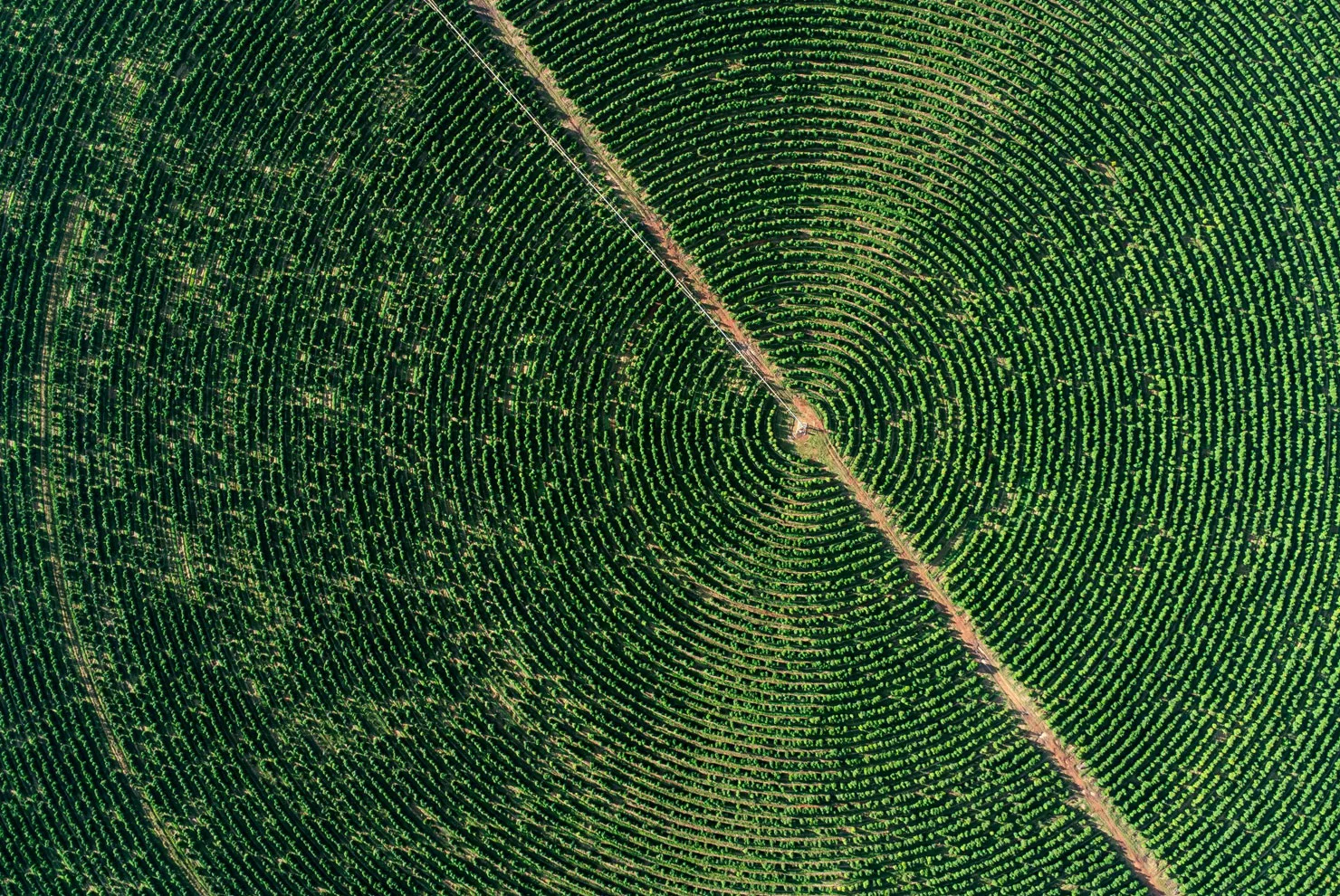
Announced Wednesday, April 22nd, the initiative is a collaboration with Louis Dreyfus Company, Sucden, Neumann Kaffee Gruppe, Touton, Sucafina, and Tchibo and will use “advanced satellite technology” to map remote coffee farms in order to “identify areas of forest loss, and work with governments to restore landscapes and prevent future deforestation.”
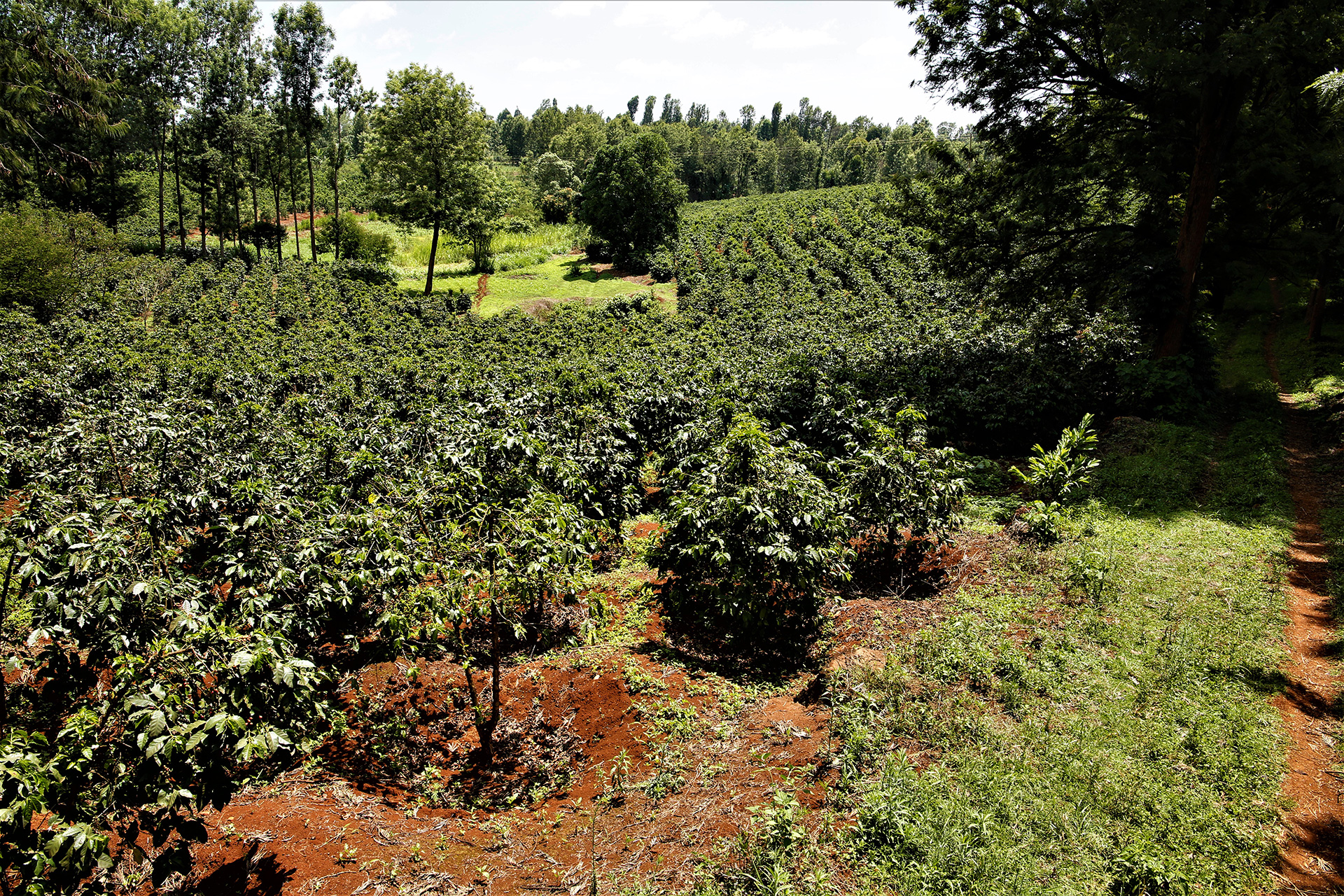
As the EUDR is currently written, any coffees grown on lands that have been classified as forest after December 2020 will not be eligible for import into the EU. Along with putting the burden of proof onto the producer, the law relies on maps that could potentially misclassify existing coffee farms, particularly those utilizing sustainable farming practices like agroforestry and shade-growing, as forestland.
Using satellite imaging along with AI and on-the-ground verification, the Coffee Canopy Partnership seeks to create a more accurate 2020 baseline map as well as a 2024-2025 updated map “to support the identification of potential new coffee production land and areas where forest change has occurred since 2020.”
The program launches this month in East Africa, looking to map 1.2 million square kilometers of coffee lands in Ethiopia, Tanzania, Kenya, Uganda, Burundi, and Rwanda. The initial mapping is expected to be completed by June of this year and is aiming for a completed global map of coffee farms some time in 2027 “through expanded industry and institutional co-investment.”
Which is an objectively good thing. Any aid provided to farmers shut out by well-meaning but ultimately flawed bureaucracy is unquestionably positive. That said, it is difficult to not read the list of Coffee Canopy Partnership partners as a list of folks whose livelihoods have come at the expense of the very deforested land they are now wanting to protect. If the largest coffee buyers in the world weren’t seeking low low prices then the need to rip out forests for more land would be significantly less.
It’s like the Hot Dog Car sketch from I Think You Should Leave. These companies are all in hot dog suits, looking for the guy who did this to give him a spanking while everyone else around knows exactly who crashed the car through the window. The only difference is that in this case, the car crash actually does a little good for a change. So, thanks I guess, hot dog guys?
Zac Cadwalader is the managing editor at Sprudge Media Network and a staff writer based in Dallas. Read more Zac Cadwalader on Sprudge.