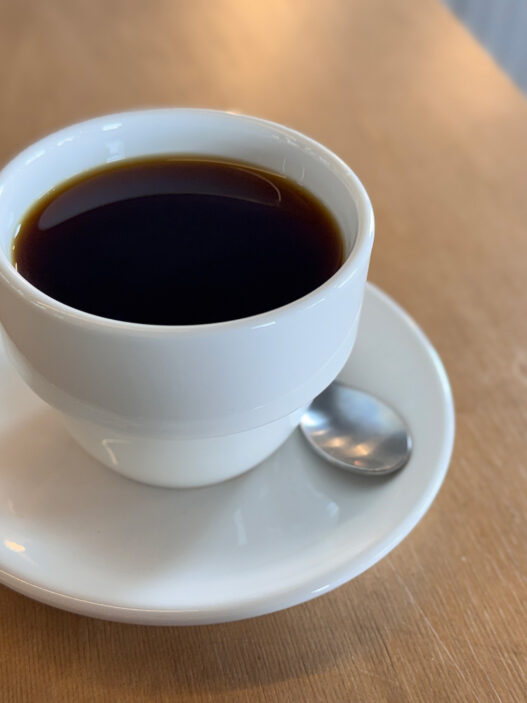





In the 1967 film Two or Three Things I Know about Her, Jean-Luc Godard’s protagonist sits in a Paris cafe, cigarette in hand, and stares into a cup of coffee. As the camera moves ever closer, swirling eddies of cream seem to mimic the spin of the Milky Way. In a whispery voice, Godard narrates, “Maybe an object is what serves as a link between subjects, allowing us to live in society, to be together.”
Coffee might be the example par excellence of an object that brings people together. The contemporary Parisian coffee drinker, however, is less fixated on existential dread and more driven by hedonistic joy. For good reason: there has never been a better time to get a cup of coffee in the French capital.
Gone are the days of drinking stale, dark-roasted espresso at a neighborhood bistro. Today’s coffee drinker is discerning, adventurous, and probably wants a pour-over.
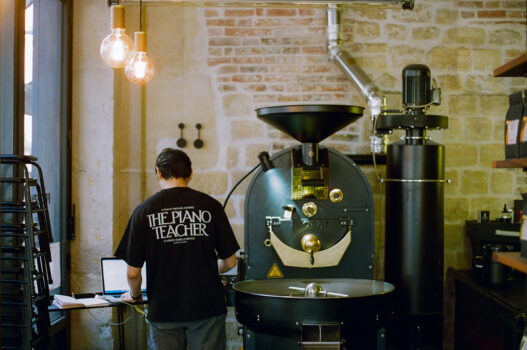
But Paris isn’t just a great coffee city. It’s a city with great coffee roasters.
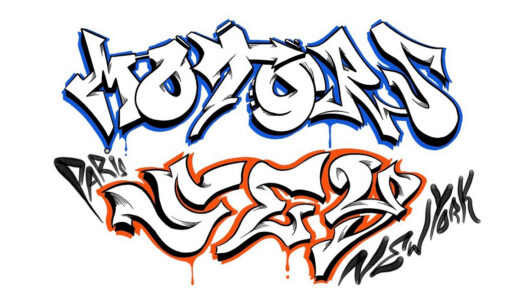
Certainly, multi-roaster cafes like Motors Coffee and Télescope Café enjoy a worldwide reputation for brewing exceptional coffees from abroad. Increasingly, however, some of the best coffee to be found in Paris is roasted in the city limits. These are some of the top coffee roasters setting the standard.
Tanat
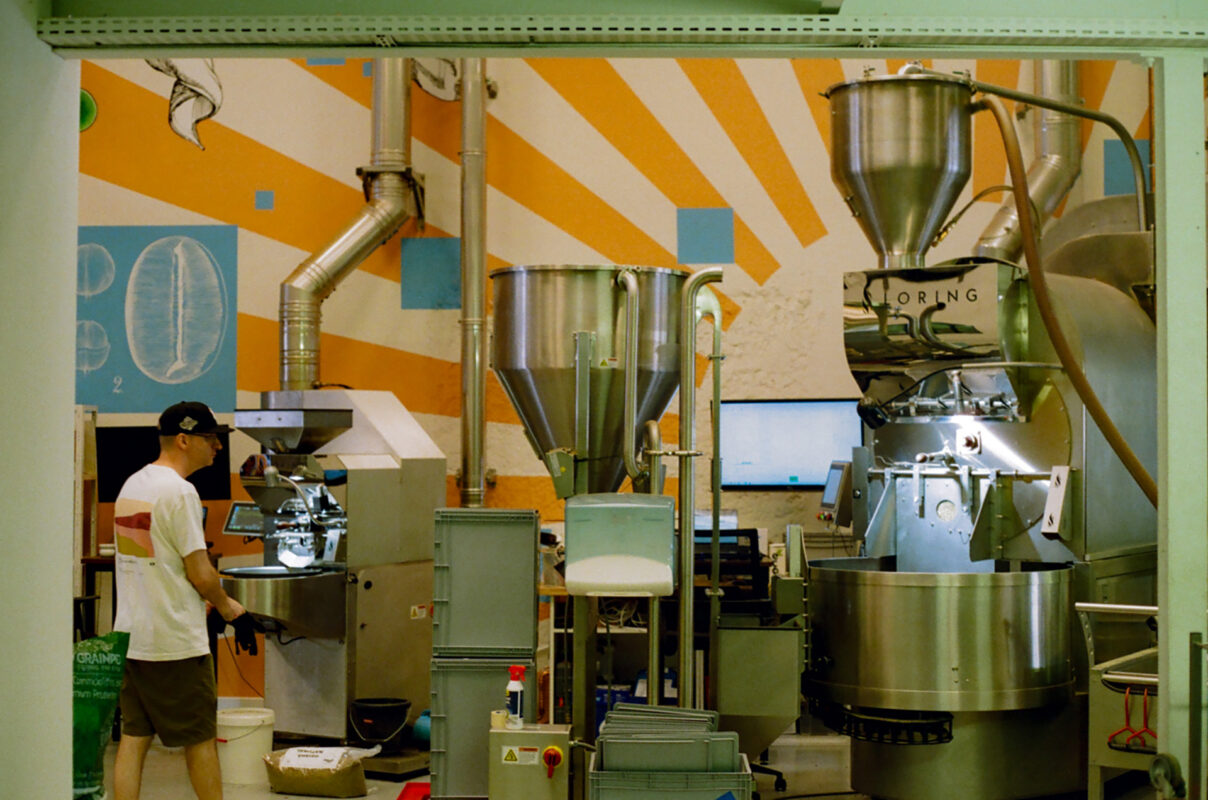
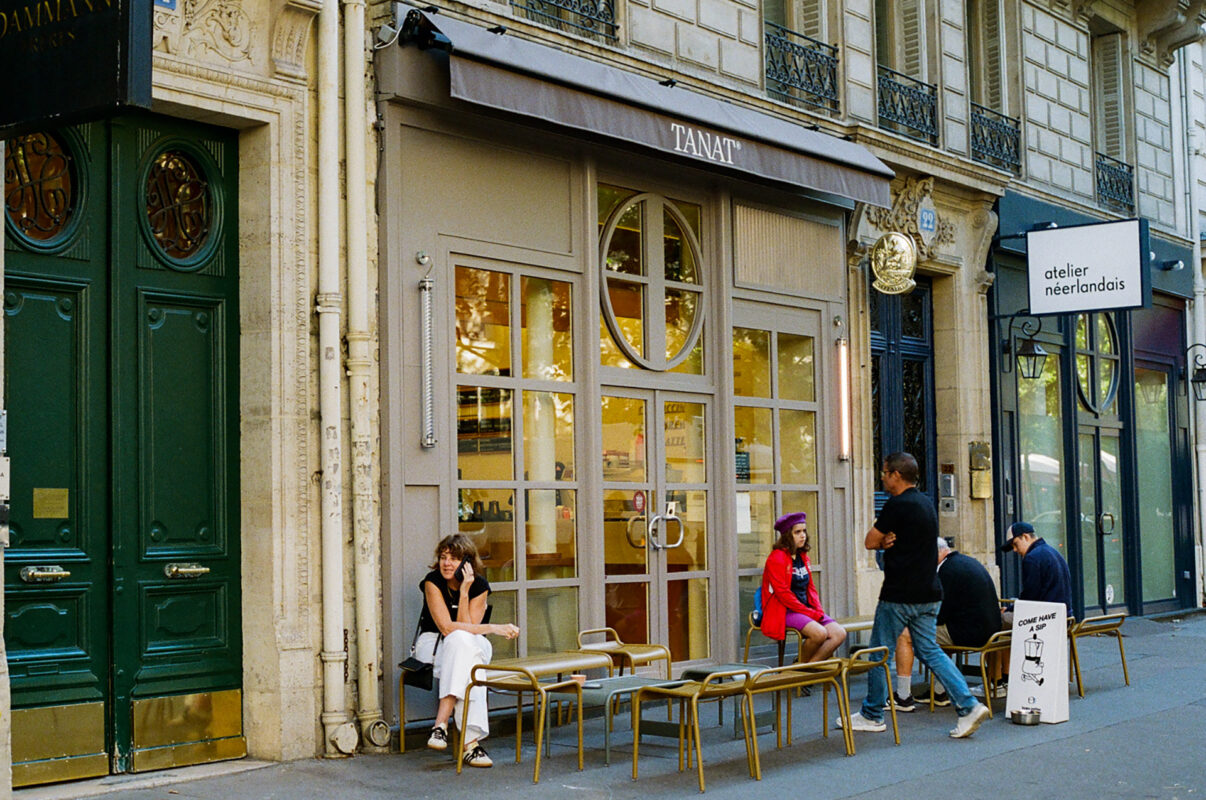
The coffee roaster formerly known as Kawa is now Tanat. What hasn’t changed is the roaster/retailer’s distinct burnt orange coffee bags, as seen at the hippest multi-roaster cafes from Los Angeles to London.
“Roasting is not just about control—it’s about interpretation. My job is to reveal what’s already there, with honesty and intention,” says Thomas Clement, Tanat’s head roaster. “No roast can elevate average green beyond its limits, but the right coffee can surpass expectations with the right approach.”

In the co-fermentation debate that divides specialty coffee, Tanat has thrown its hat decidedly in the “pro co-fermentations” camp, with a wide array of alternative process coffees from producers such as Julio Madrid of Finca Milan in Colombia. For Clement, these coffees are less about jumping on a trend and more about exploring the boundaries of coffee flavor.
“Curiosity plays a central role in my philosophy. I remain open to new origins, varieties, and processing methods—even those outside the conventional map of specialty coffee,” says Clement. “Some of the most compelling lots I’ve come across came from unexpected places or producers taking bold risks. For me, sourcing is not just about finding “safe” coffees—it’s about discovering character and potential.”
Tanat operates three Paris coffee shops and is available at a wide selection of cafes and restaurants.
Belleville Brûlerie
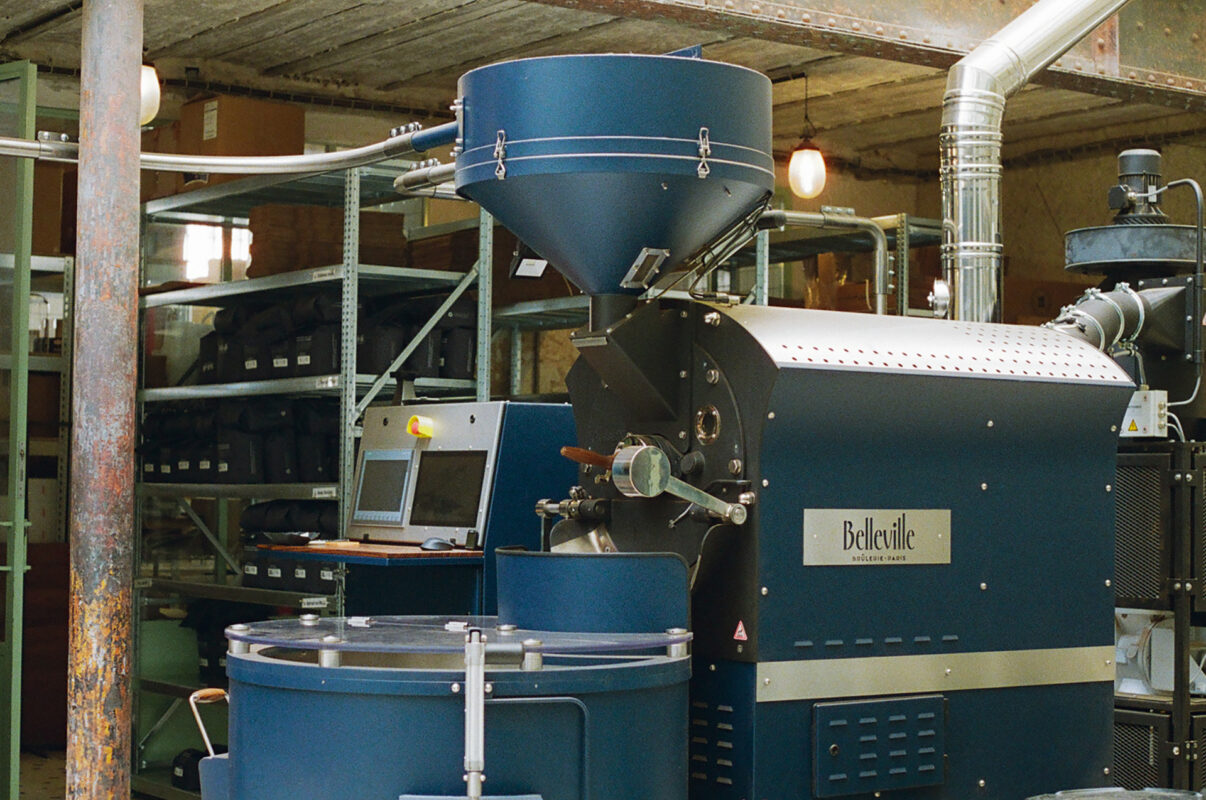
For American expat David Flynn, co-founder and president of Belleville Brûlerie, the decision to open a coffee roastery in Paris was serendipitous.
“I ended up in Paris by chance, almost,” says Flynn. “I came to Paris to learn French and ended up staying.”
As evidenced by the Art Deco-inspired branding and the blue work jackets the staff wear, Belleville takes inspiration from the city it calls home. “Paris was missing the sort of roaster I wanted to see, one that had a French aesthetic perspective,” says Flynn. “France has this incredible culinary history. From the start, we’ve tried to draw from and see how it can be applied to specialty coffee.”
Flynn attributes the decision to focus on high-quality blends to the world of cognac. “Blends are a big part of what we do. There’s value in creating a flavor profile that’s consistent,” he says. For Flynn, the decision to blend coffee doesn’t diminish the importance of sourcing. Belleville’s roasting team travels extensively to visit coffee producers.
“We’re looking for coffees with interesting flavor profiles, but we’re looking for producers with whom we can have long-term relationships,” says Flynn. Those relationships include Cup of Excellence-winning producer Benjamin Paz. Belleville has been buying coffee from the Honduran coffee farmer since his first harvest. “We work with people with whom we feel like we can create something special, and work with them year in and year out,” Flynn says.
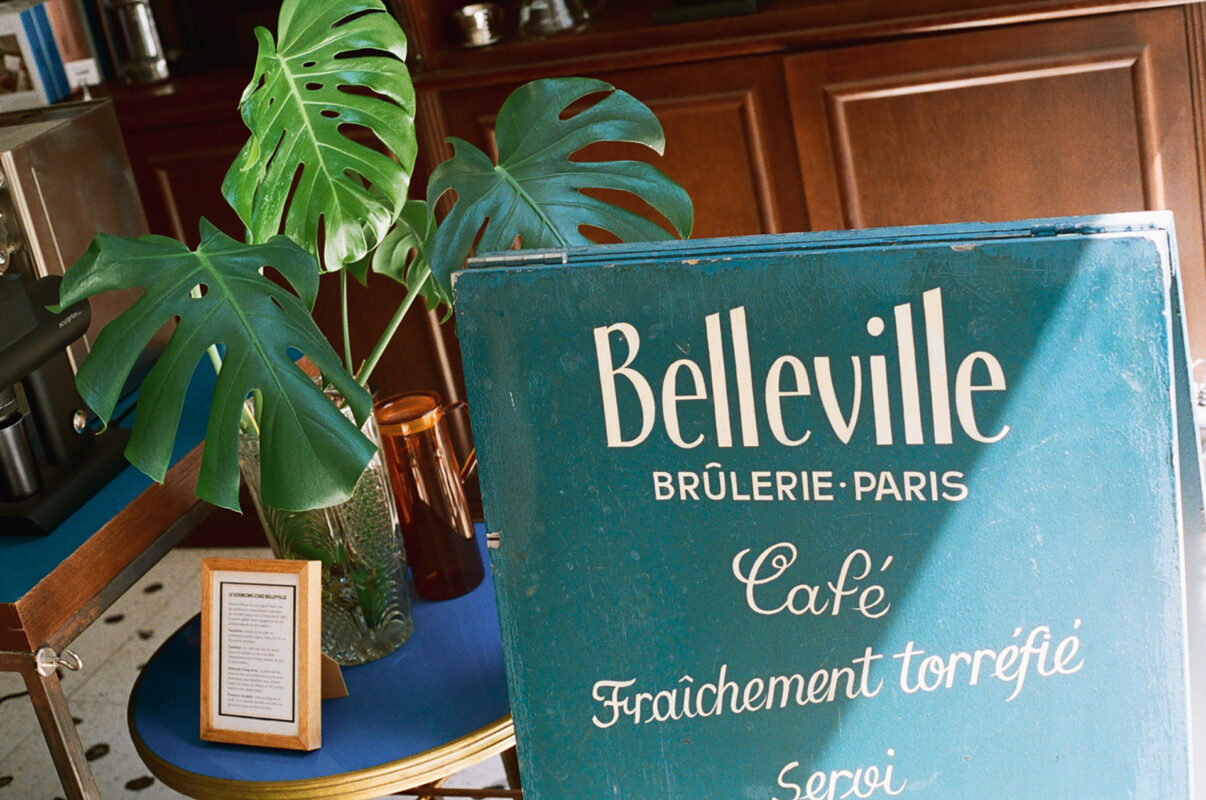
Belleville Brûlerie’s coffee can be found at a wide variety of Paris coffee shops and restaurants, like the lauded brunch cafe HolyBelly, or the boutique attached to their roastery.
Partisan
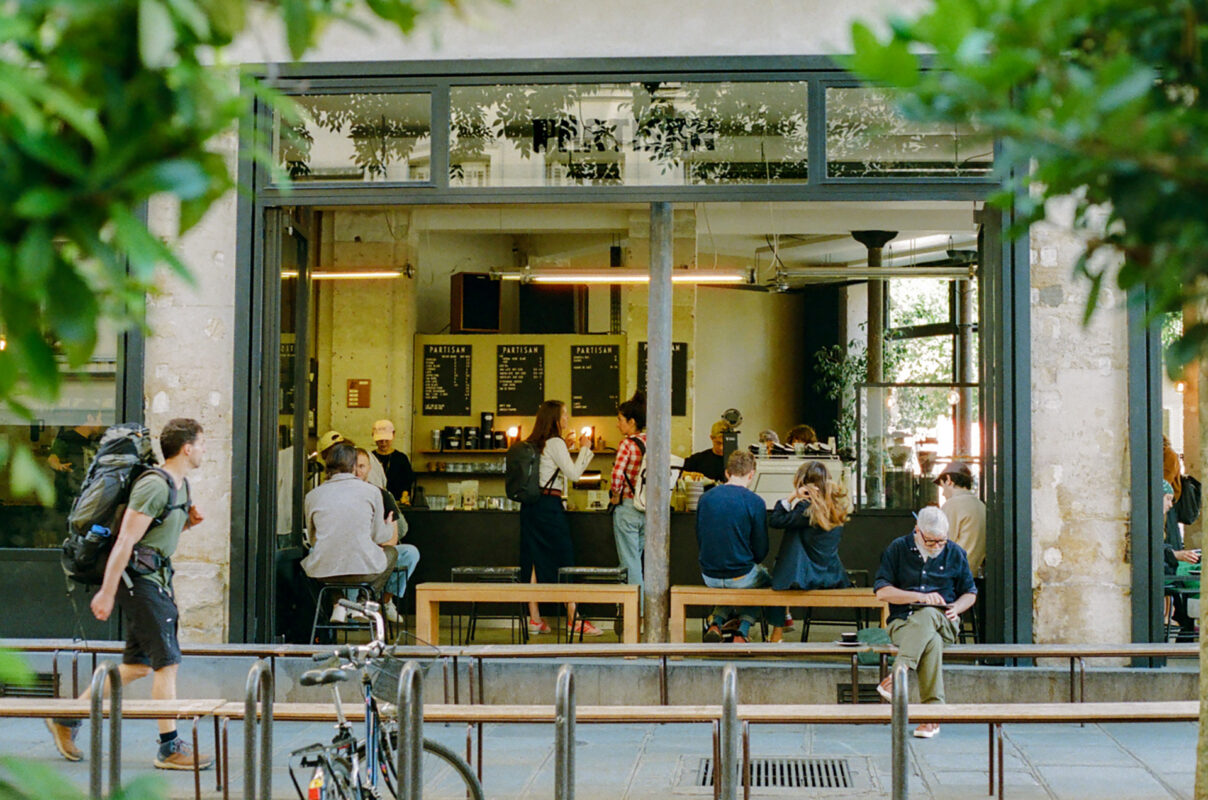
Partisan still roasts all of its coffee at its 3rd Arrondissement cafe, but those days are numbered.
“We started Partisan by having the roastery and the coffee shop in the same space in the heart of Paris. We have become very busy. It’s time for us to move the roaster to a dedicated environment,” says Partisan co-founder Georges Karam. “This new space will also host trainings, cuppings, and conferences.”
Karam cites the coffee scenes in the cities of Portland, San Francisco, and Vancouver as inspirations, but also draws on his Lebanese heritage. “In Lebanon, people drink coffee at any time of the day or night. In its own way and style, coffee is anchored in the local culture,” says Karam.

Although Partisan offers a light-roasted single origin espresso option, Karam also roasts a more traditional espresso blend to court more conventional coffee drinkers. “I realized that I could also use all I had learned to offer a dark roast option to the friends and family who did not seem to be able to embrace light roast coffees,” he says.
KB Coffee Roasters/Back in Black

The towering Basilique du Sacré-Cœur de Montmartre offers some of the most iconic views of Paris. A more modestly-sized cafe in the nearby South Pigalle neighborhood proved to have an outsized impact on the local coffee scene.
“Back in 2010, KB Coffee Roasters started as a small neighborhood coffeeshop in South Pigalle,” says Nico Piègay, founder of KB Coffee Roasters. “With KB we gave ourselves the freedom to selfishly do what we love. We only work with coffees that we have a total crush on.”
The coffee shop quickly became a fixture of the Paris coffee scene, but Piègay was not one to rest on his laurels. In 2019, KB opened Back in Black, a full-service restaurant in Paris’s 11th arrondissement. “We wanted to explore the possibilities of a big coffee shop, with a real kitchen and on-site roasting workshop, all under the same roof,” he says. “Ten years after our beginnings in Pigalle, we needed to challenge ourselves.”

The two shops have different branding and service models, but share a core vision. “It’s the same team, the same coffee, but different colors and a different experience,” says Piègay.
Coutume
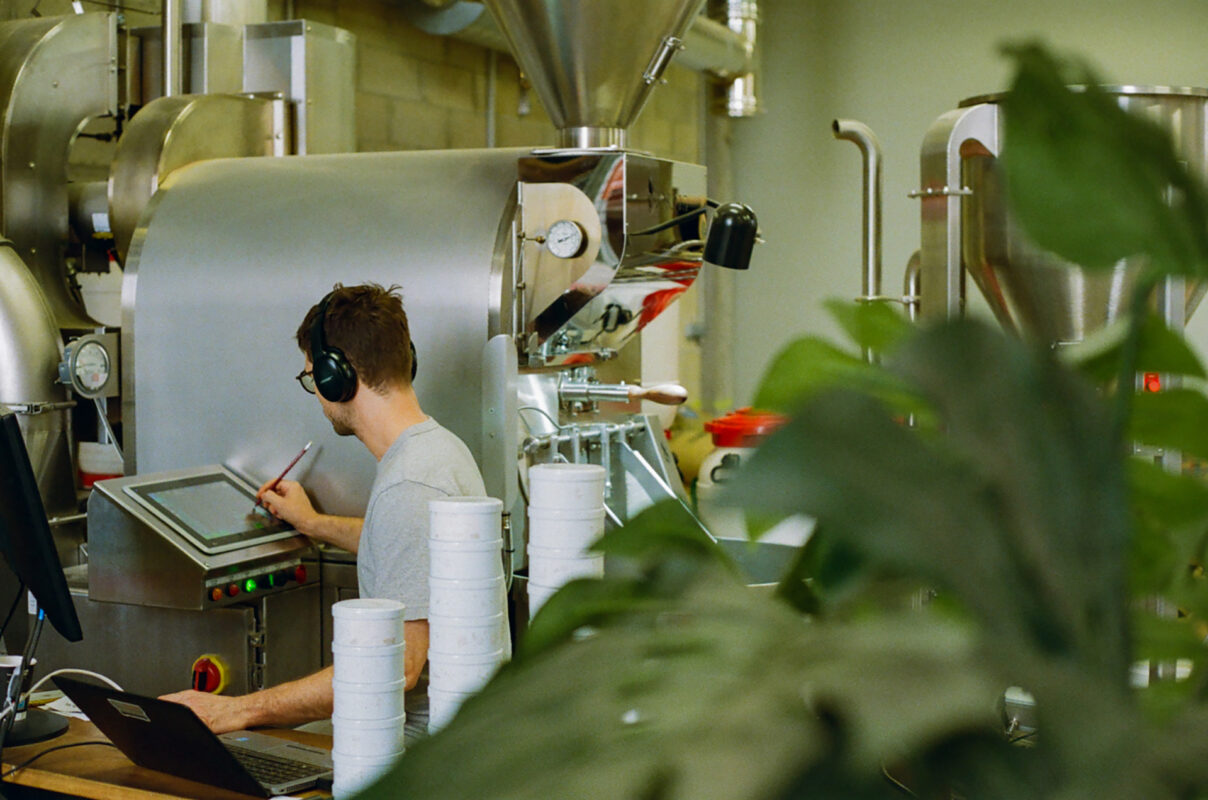
Australian émigré Tom Clark has witnessed Paris’s coffee culture shift in the 15 years since he founded Coutume, but what hasn’t changed is the pivotal role coffee plays in the city’s social landscape.
“Historically, Paris was one of the first European cities to forge a cafe culture in the late 17th Century, specifically in the St-Germain-des-Près area,” says Clark. “Coffee culture is a bedrock of Parisian living.” Clark first moved to France as an exchange student, but missed the Australian coffee culture he left behind.
“As I became more familiar with the language and culture, I felt that it was my mission to contribute to introducing a dynamic and quality-based coffee culture, which I had enjoyed whilst growing up in Australia,” says Clark. “I was convinced that the ‘art de vivre à la française’ was perfectly in tune with specialty coffee; it just had to be introduced.”
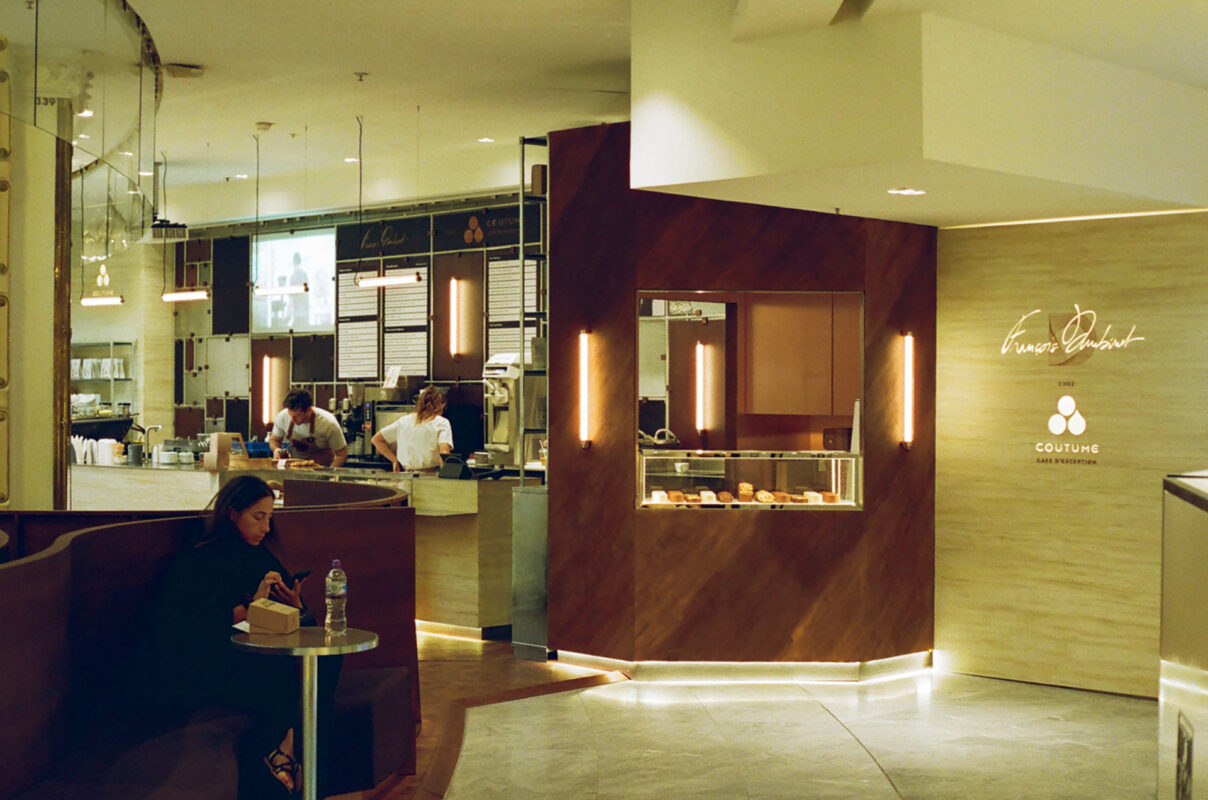
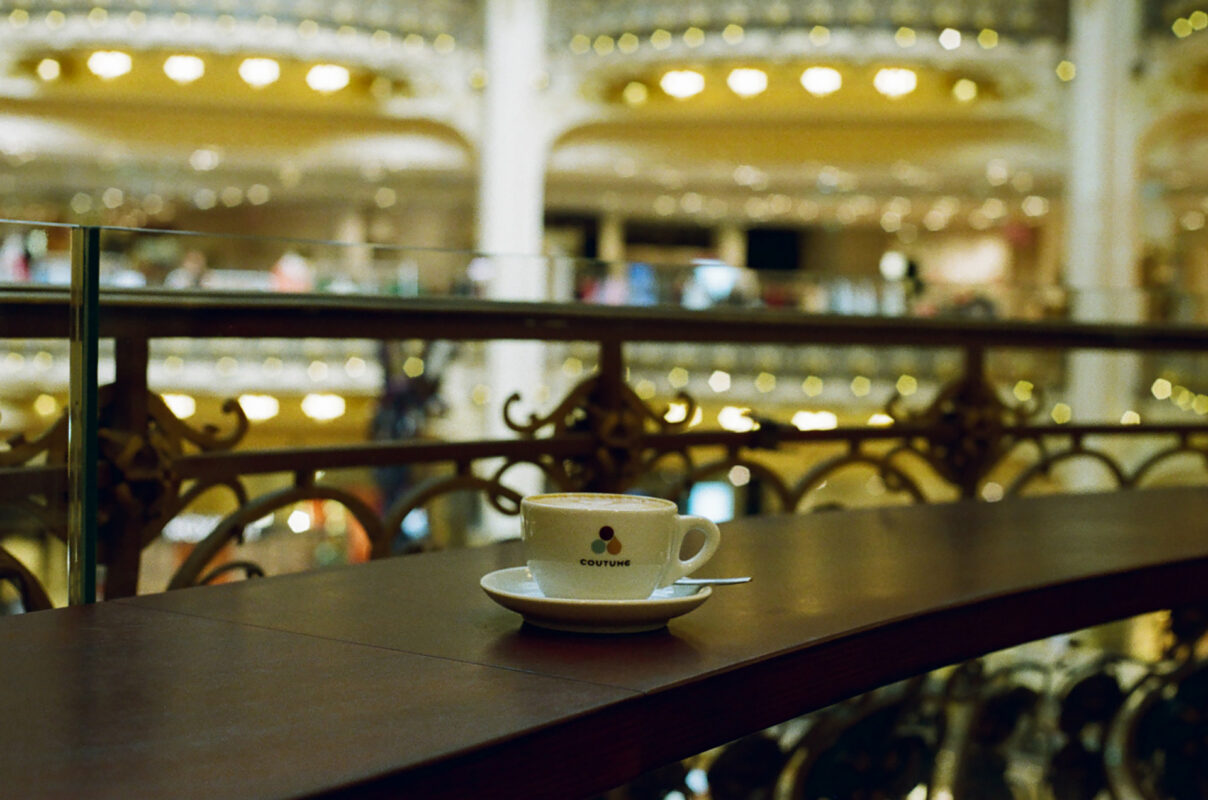
Today, Coutume operates 10 cafes around Paris, but Clark thinks specialty coffee is just getting started.
“As a testament to how demanding the French consumer is, within 15 short years, specialty coffee has succeeded in integrating itself seamlessly into modern coffee culture,” says Clark. “Today, the opportunity is to develop specialty coffee beyond a quickly expanding niche sector and into becoming a major cornerstone of French coffee culture.”
Bonjour Jacob
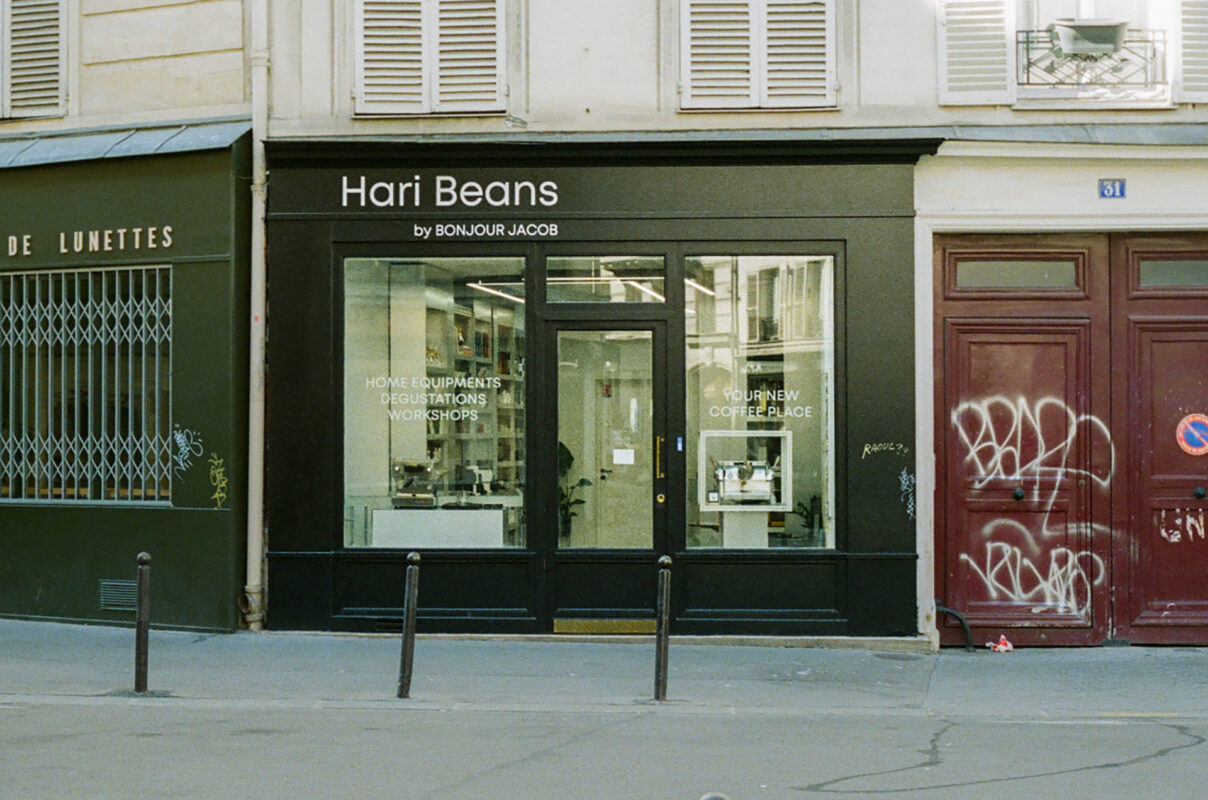
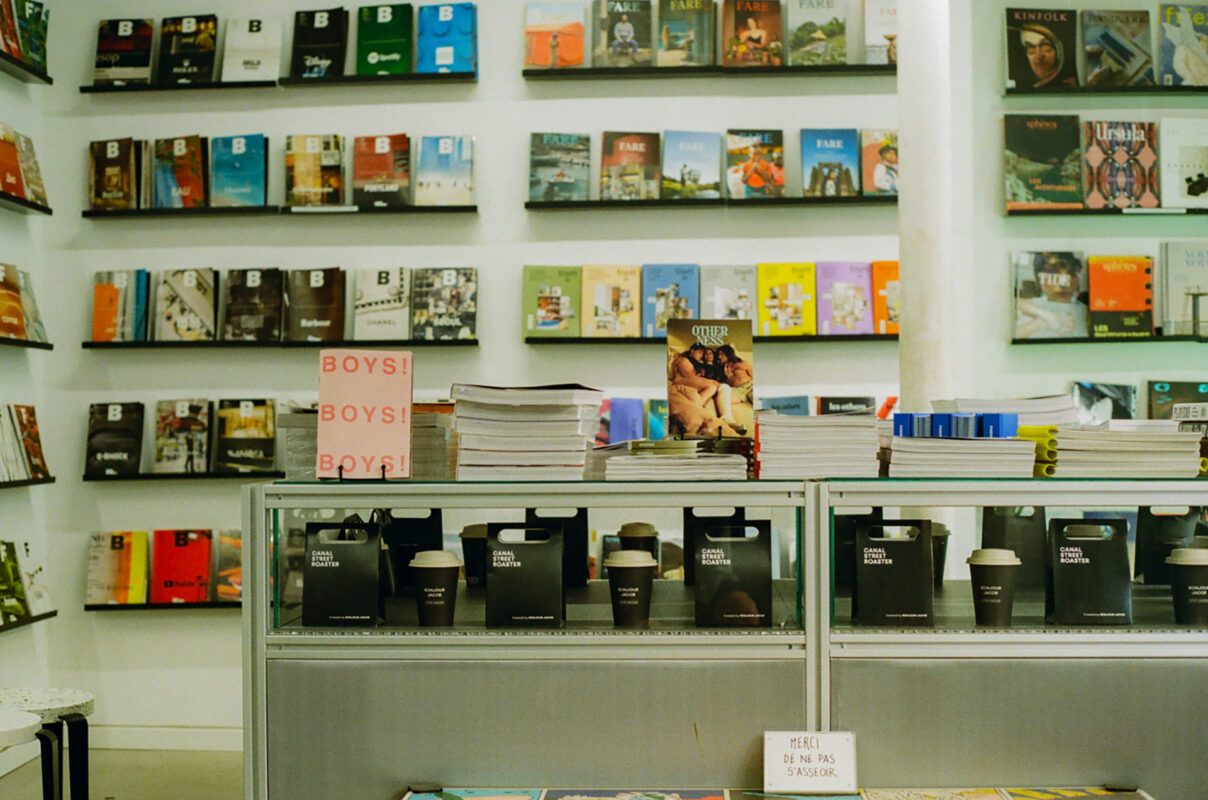
For founder Hani Belahcene, Bonjour Jacob started as an extension of his personal interest: independent magazines, limited vinyl drops, and specialty coffee. The Canal Saint-Martin neighborhood shop serves a variety of international roasters, such as the Netherlands’s Friedhats and Belgium’s Mok Coffee. Now, Belahcene is throwing his hat into the ring with his own brand, Canal Street Roaster.
It might intimidate some to serve their own coffee alongside some of Europe’s most respected brands, but Belahcene and company are up for the challenge. When Sprudge visits Bonjour Jacob, we try an anaerobic Gesha from San Pedro, Colombia, expertly roasted and prepared. Bonjour Jacob’s new sister shop, Hari Beans, offers an extensive selection of home brewing equipment along with a training and education space.
Michael Butterworth is a coffee educator and consultant based in Istanbul, Turkey. Read more Michael Butterworth for Sprudge.
Photos by Jacob Mooney