





Jeju Island occupies a unique place in Korean life. The route between Seoul and Jeju is often cited as one of the busiest flight paths in the world, and it shows—people travel here constantly, whether for a weekend escape, a family trip, or a longer stay. The island is close enough to feel familiar, yet distinct enough to offer a true reset from life on the peninsula.
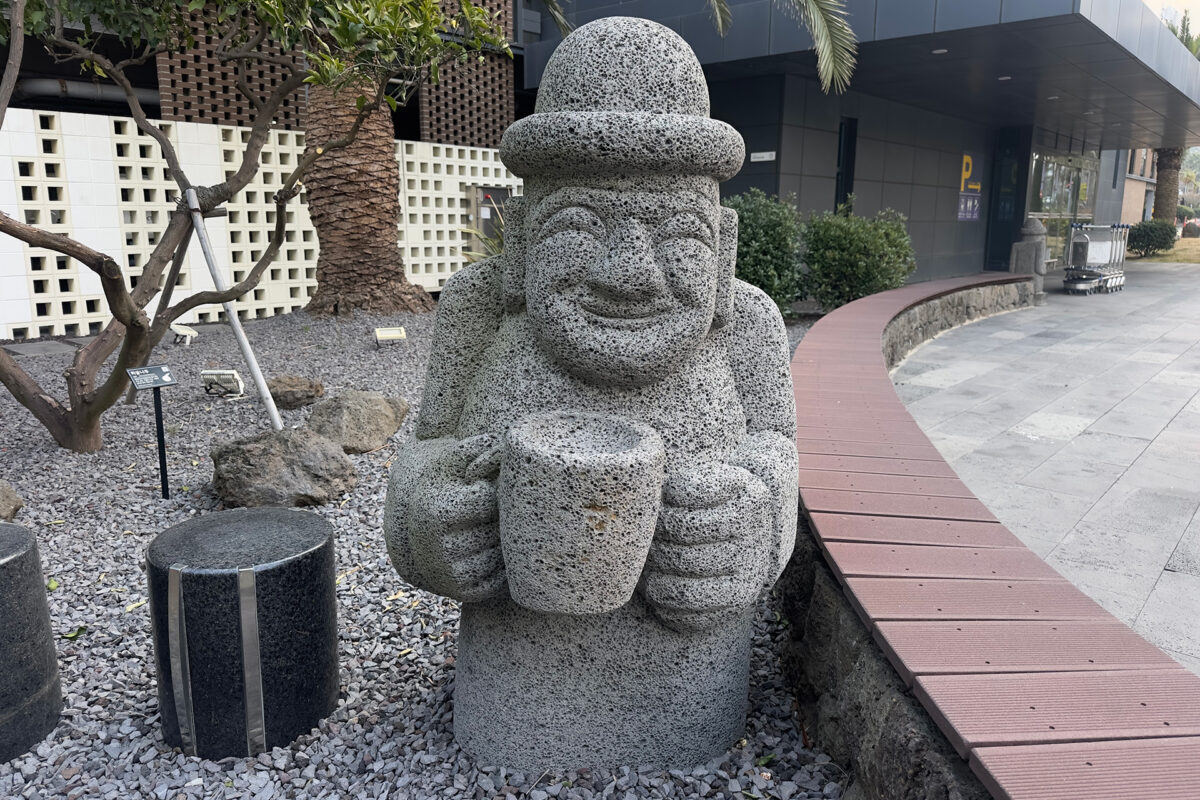
In many ways, Jeju is the perfect foil to Seoul. Where Seoul is fast, polished, and densely packed with ways to spend time and money, Jeju feels raw and elemental. Life here is shaped by wind, ocean, stone, and distance. Instead of shopping districts and high-rises, the island offers coastlines, volcanic hills, fields, and villages rooted in farming and fishing culture. Time moves differently, and days tend to follow light, weather, and geography.
That slower rhythm has made Jeju increasingly attractive to artists, creatives, and young people. There’s even a common phrase—han dal salgi, or “living for a month”—which reflects how many people come to Jeju for an extended stay, often working from a laptop and building daily routines around cafes, walks, and swims. Over time, this has helped foster a growing culture of independent projects and thoughtfully designed spaces across the island.
Jeju doesn’t concentrate its energy in a single neighborhood. Cafes are spread throughout the island, often housed in renovated homes, warehouses, or standalone buildings overlooking the sea. Jeju City and Seogwipo serve as the island’s two main urban centers, offering more nightlife and dense dining scenes, while some of the most memorable coffee experiences are found far outside the cities, discovered along coastal roads or in quieter inland areas.
Fortunately for coffee lovers, Jeju has become a remarkably strong destination in its own right. No matter where you find yourself on the island, excellent coffee is rarely far away. With this guide, my hope is to offer a wide enough range of cafes that wherever Jeju takes you, a great cup is close at hand.
Kiekee Coffee Stand
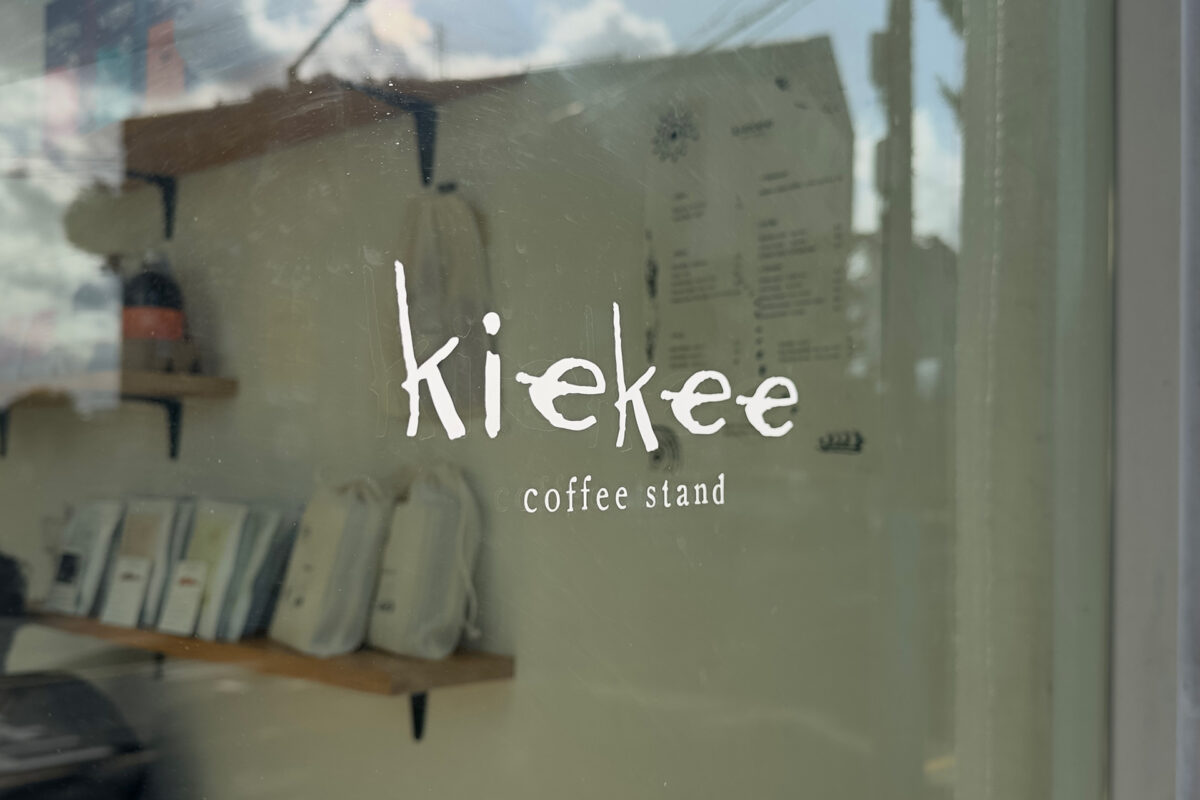
Kiekee Coffee Stand is a great neighborhood stop if you’re staying near Jeju City. It’s a small, welcoming space with a really unique two-tiered layout. You step up to sit with your coffee and end up slightly overlooking the bar and retail area below, which makes everything feel close and connected. It’s an intimate setup in the best way, where you’re always aware of what’s happening behind the bar.
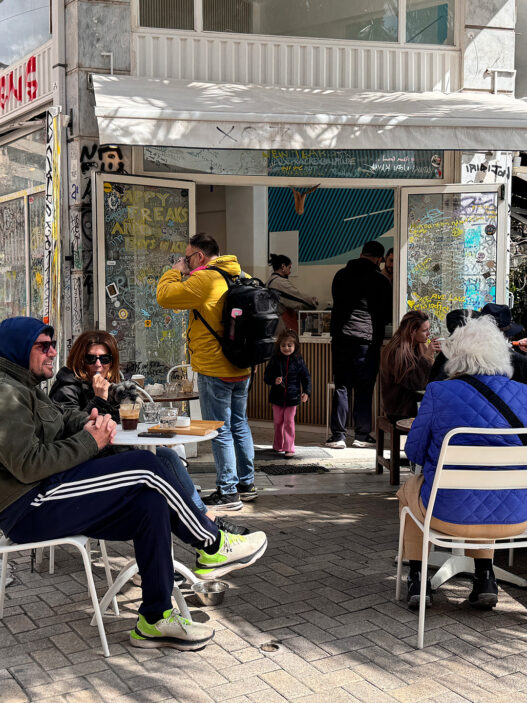
When the weather’s nice, the front glass window opens all the way, and the cafe spills out into the neighborhood. On good days, you’ll often see as many people hanging out outside as inside, coffee in hand, talking or just taking a break. Kiekee is a popular post-run or post-ride stop, especially for runners and cyclists coming through after workouts or run club, and that gives the place a steady, local energy.
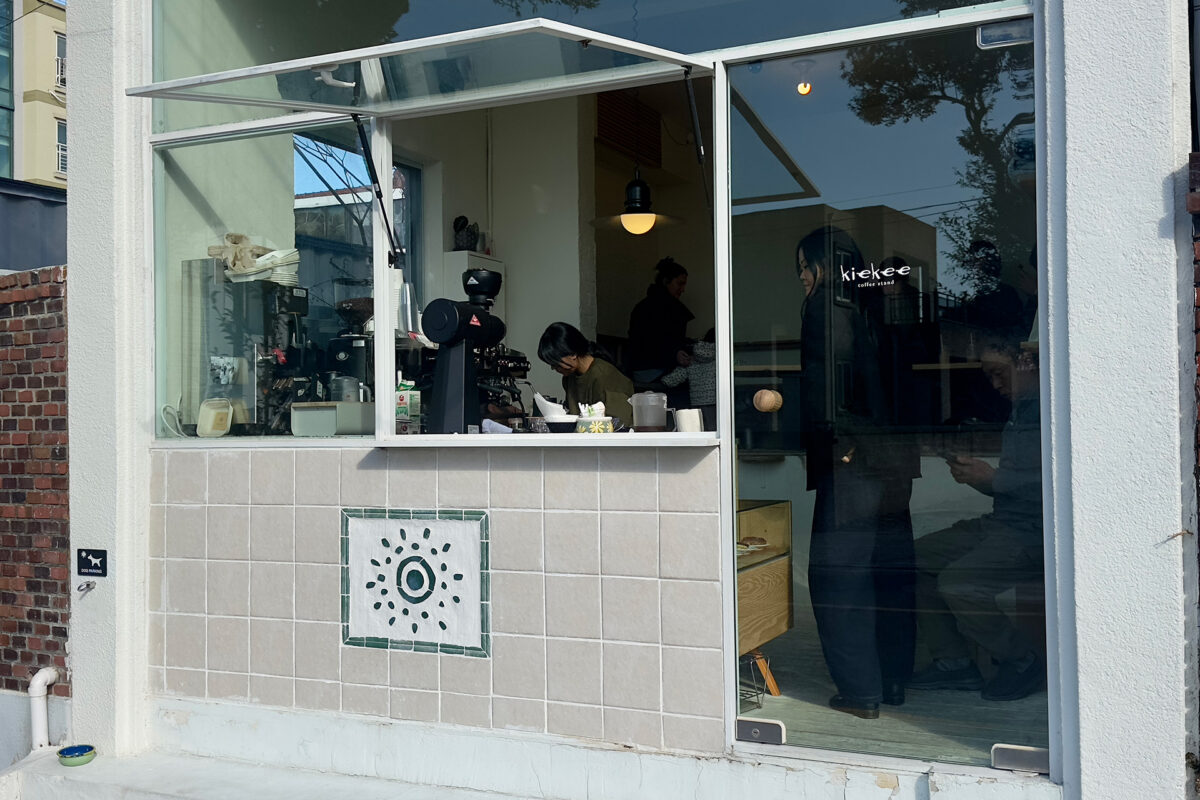
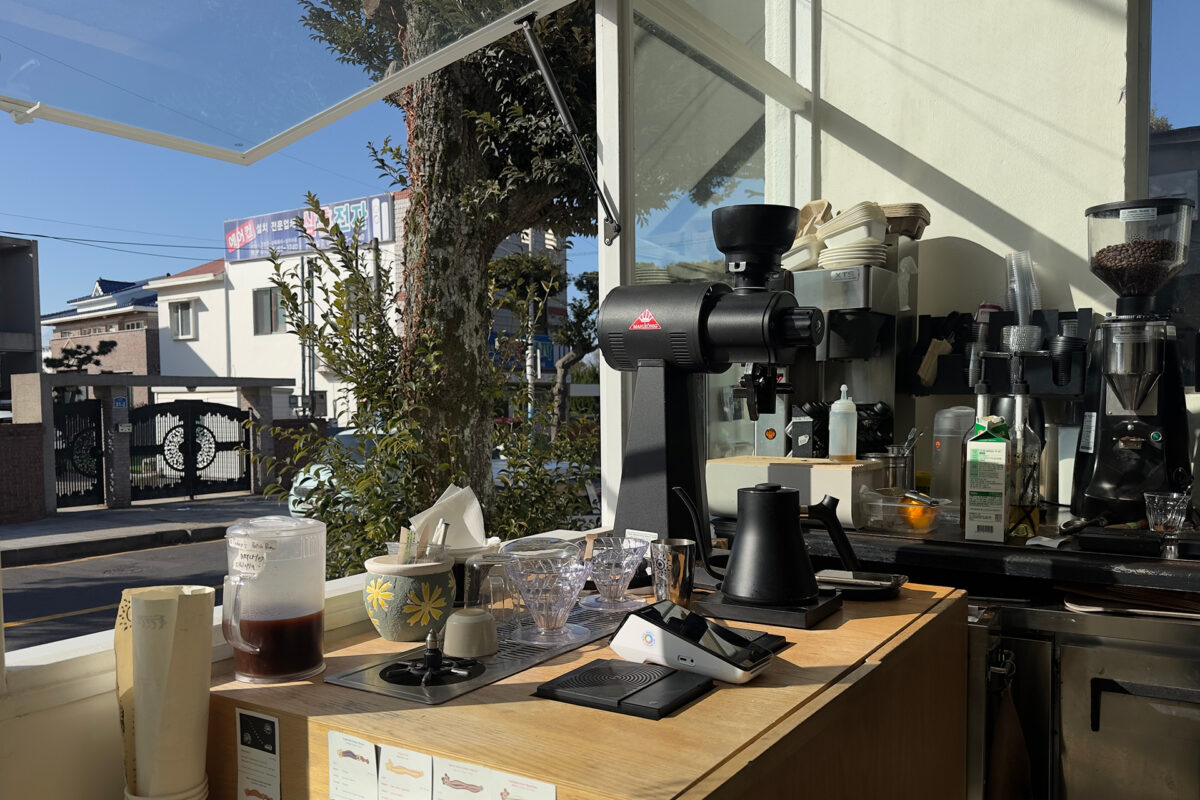
Kiekee roasts all of their coffee themselves at their Roasting Room, which is closer to the city center and worth visiting if you have time. They do a particularly good job with their blends, and their single-origin coffees are always well executed. One thing I appreciate is that they offer a single-origin batch brew, which is perfect if you want a great filter coffee without waiting for a pour-over. Whether you’re in the mood for something sweet and milky or a hand drip, you can usually find exactly what you’re looking for here.
They also have a solid selection of desserts, including a cinnamon roll that pairs perfectly with just about any of their beverages.
Coffee Nap Roasters

Cards on the table: Coffee Nap Roasters holds a special place in my heart. Their Seoul location is about 500 meters from my house, so I end up there often. But their Jeju spot is something else entirely—it’s actually even more stunning and absolutely worth a visit if you’re nearby.
The cafe sits just off the main highway heading west from Jeju City toward Hyeopjae Beach, one of the island’s most popular coastal spots. You’re so close to the ocean that you can smell and feel the sea spray as you walk in. The building itself is a gorgeous old Korean-style house, partially reconstructed into a perfect hybrid of modern concrete Seoul aesthetics and traditional charm. Walking through the main door, you immediately hit the bar and retail/pastry counter, then a lovely outdoor corridor connects you to a larger indoor seating area. Artistic details are sprinkled throughout the space, and they even put food out for neighborhood cats to stop by.
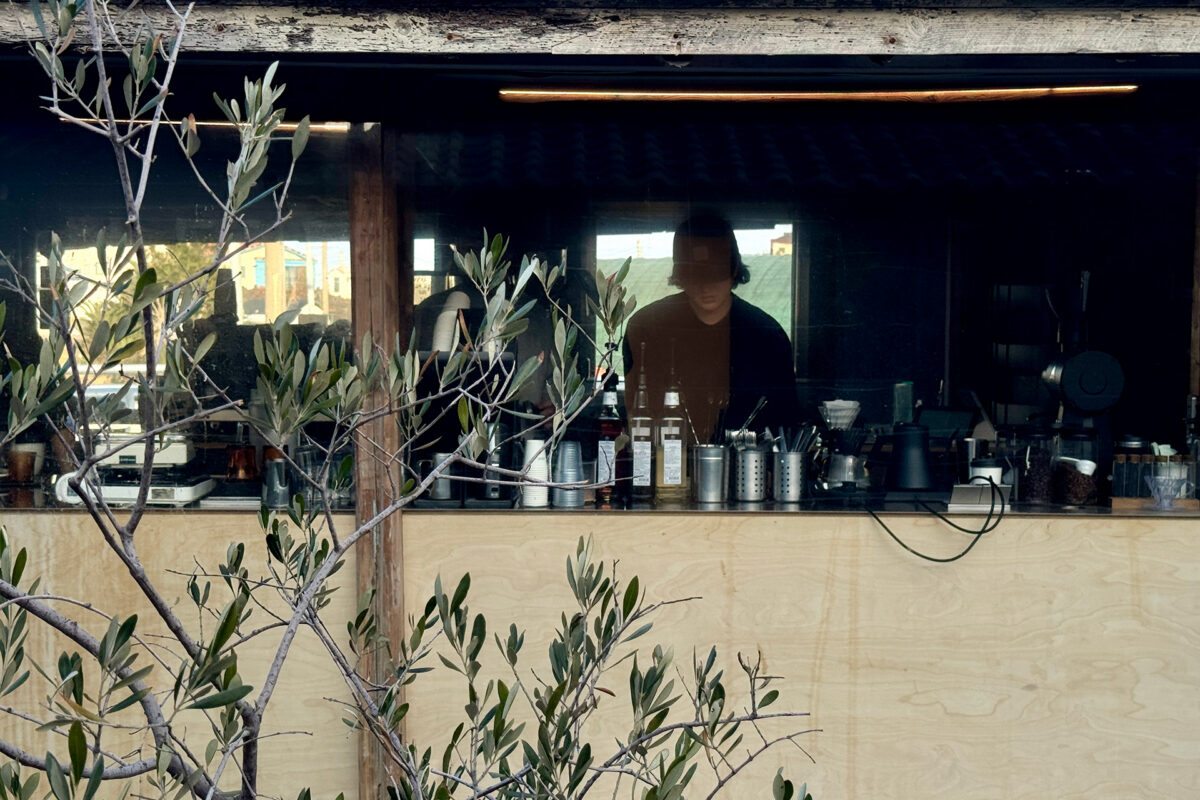
Coffee Nap is as well known for their roasting as their design. They specialize in sweet, medium-roast coffees and consistently execute their blends better than most. They also offer a variety of European- and Asian-inspired pastries—my personal favorite is the Hong Kong-style egg tart. While everything is solid, I’m partial to their pour-overs and flat whites, which I think are some of the best in Korea. If you drink decaf, their offering is also one of my favorites on the peninsula.
This is a cafe people will take photos at, no question—but there’s very much substance behind the style. Every element, from the view to the coffee, feels thoughtful, and it’s the kind of place you can linger in, whether you’re taking in the sea, sipping slowly, or just enjoying the space itself.
By Mot
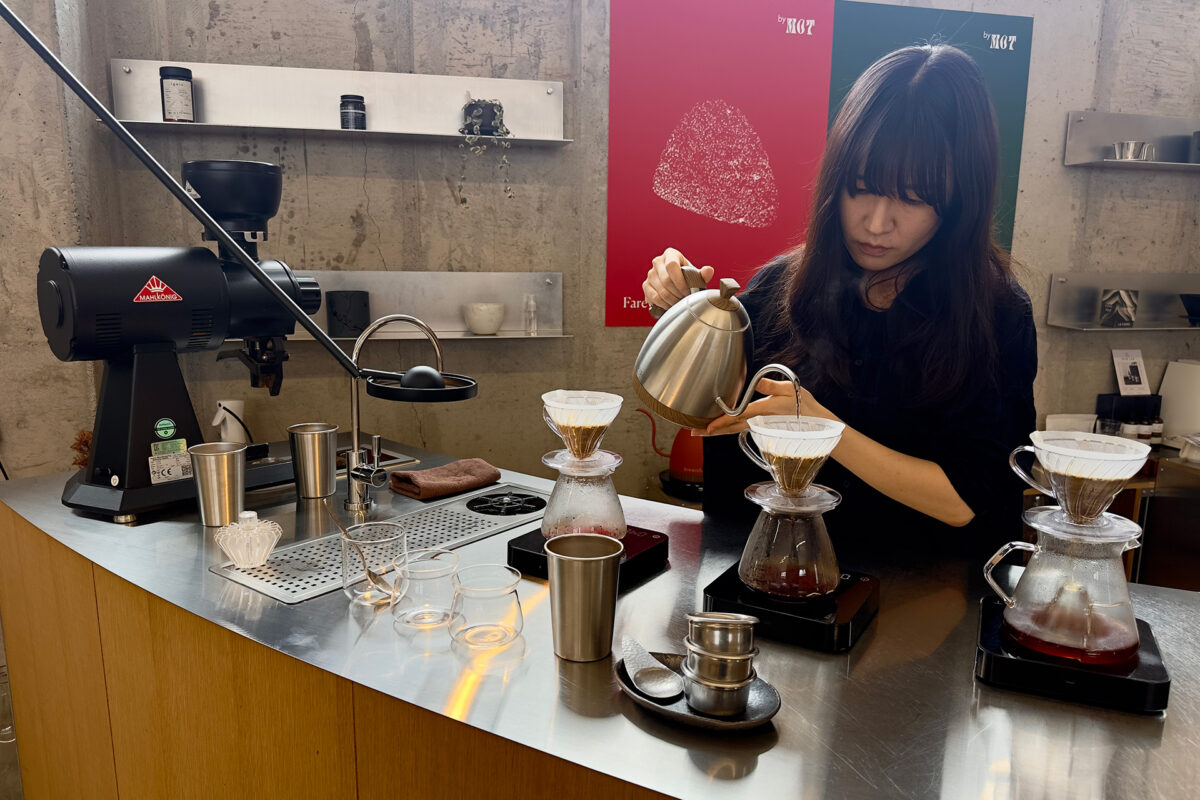
By Mot is a bit off the beaten path, but it’s exactly the kind of cafe that makes the drive worthwhile. Located right off the highway next to Geum Oreum, a large volcanic cone, it sits far from any residential area, surrounded instead by grassy plains. The whole property feels like an estate, with a parking lot and a stone walkway leading up to a multi-tiered concrete-and-glass building. It’s modern and striking, with tall windows that let you sit and take in the wide open landscape.
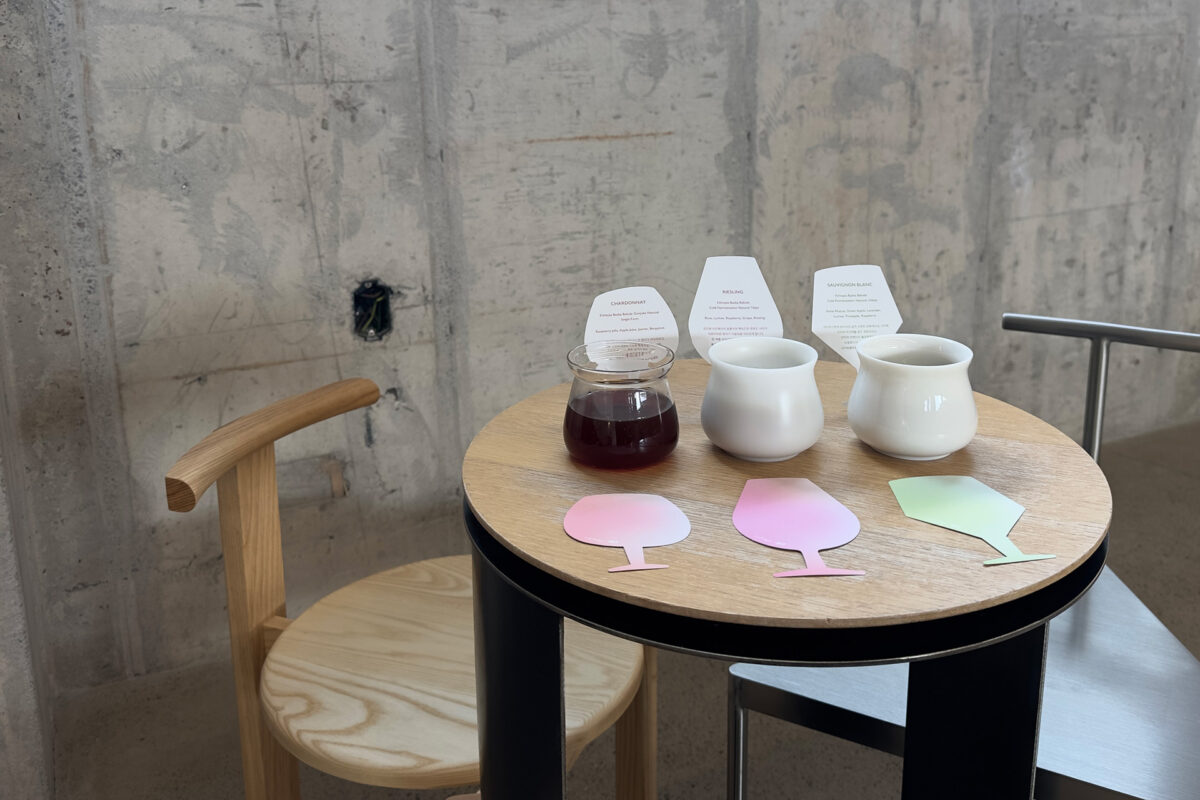
Inside, the coffee is just as impressive as the architecture. By Mot offers a wide selection of hand-drip options, many of which would be considered luxury coffees—upwards of $10 a cup—but that level of care is increasingly common in Korea’s growing specialty scene. During my last visit, I tried their Ethiopian tasting flight, featuring three different fermentation styles. Each cup was distinct and delicious, and I honestly couldn’t pick a favorite.
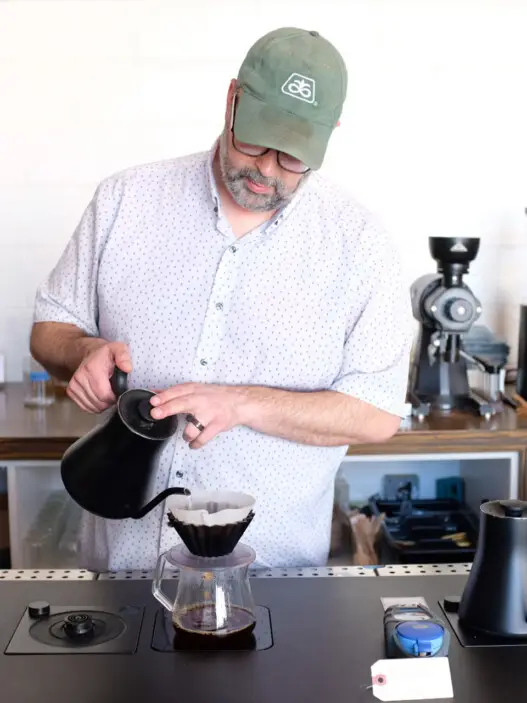
The cafe’s setup is unique: the espresso bar and kitchen sit separately from the hand-drip station. A Mahlkönig EK43 holds down the space, flanked by multiple V60 setups so baristas can brew up to three coffees at once. Glassware is carefully chosen for each brew method, and everything is executed with meticulous attention.
By Mot has also started roasting in a nearby space, in partnership with Coffee Collage near the airport. Most of the coffee served is their own, but they also feature world-renowned roasters like La Cabra, Datura (Paris), Ignis, Filter Supply (Japan), and SEY (Brooklyn). They round out the menu with milk drinks, pastries, and tea, so there’s something for everyone—even if you’re not a coffee aficionado.
It’s the kind of cafe you plan a trip around. The combination of location, design, and exceptional coffee makes it well worth going out of your way.
Little Waves City Roasters
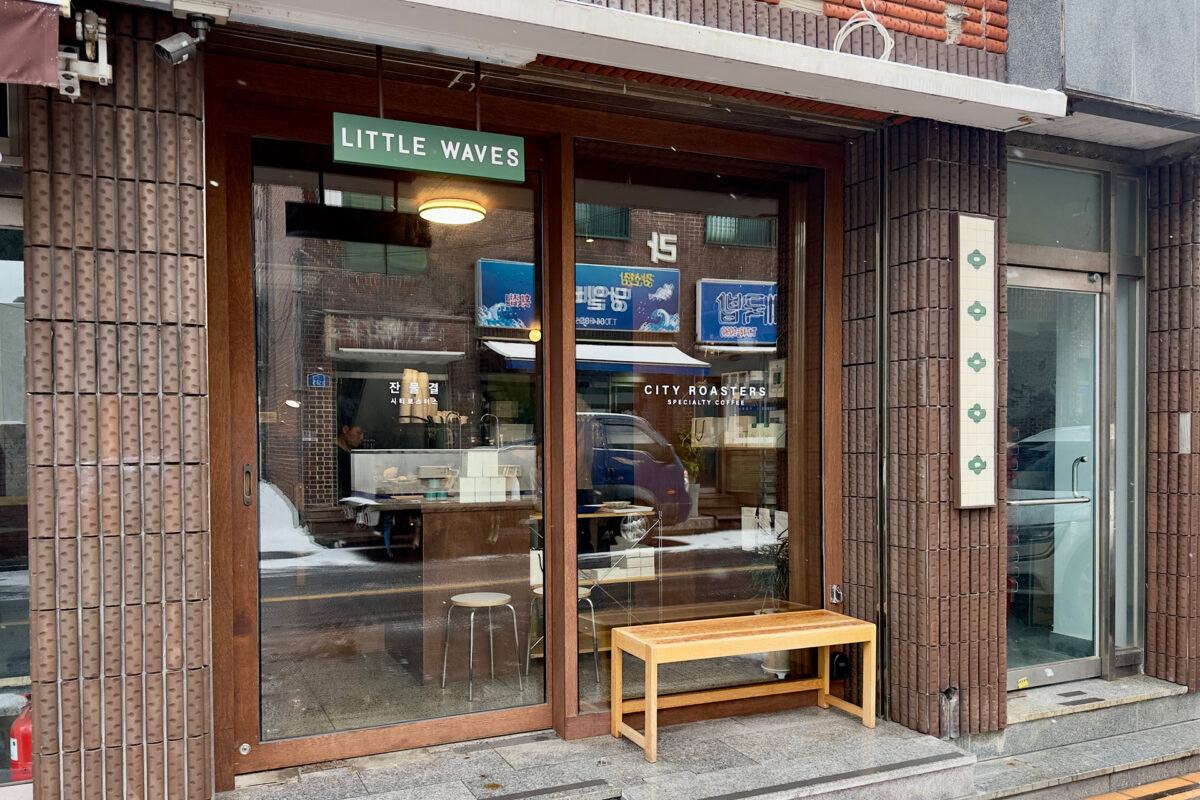
Little Waves City Roasters is the more urban of the two Little Waves cafes (the other one, right by Hyeopjae Beach, is absolutely worth a visit too). I chose to highlight the Jeju City location because, in my opinion, it serves the best cup of coffee in the city—and let’s be honest, most visitors will spend at least a few hours in Jeju City during their trip.
The interior is gorgeous and unmistakably Japanese-influenced in both design and feeling. Floor-to-ceiling dark wood, warm lighting, and a historic energy make it easy to forget everything else. There’s a way the space centers you, quietly forcing you to be present. I also love that the staff wear uniforms—a small detail, but one that signals professionalism and a deep respect for craft. These are seasoned baristas, and it shows.
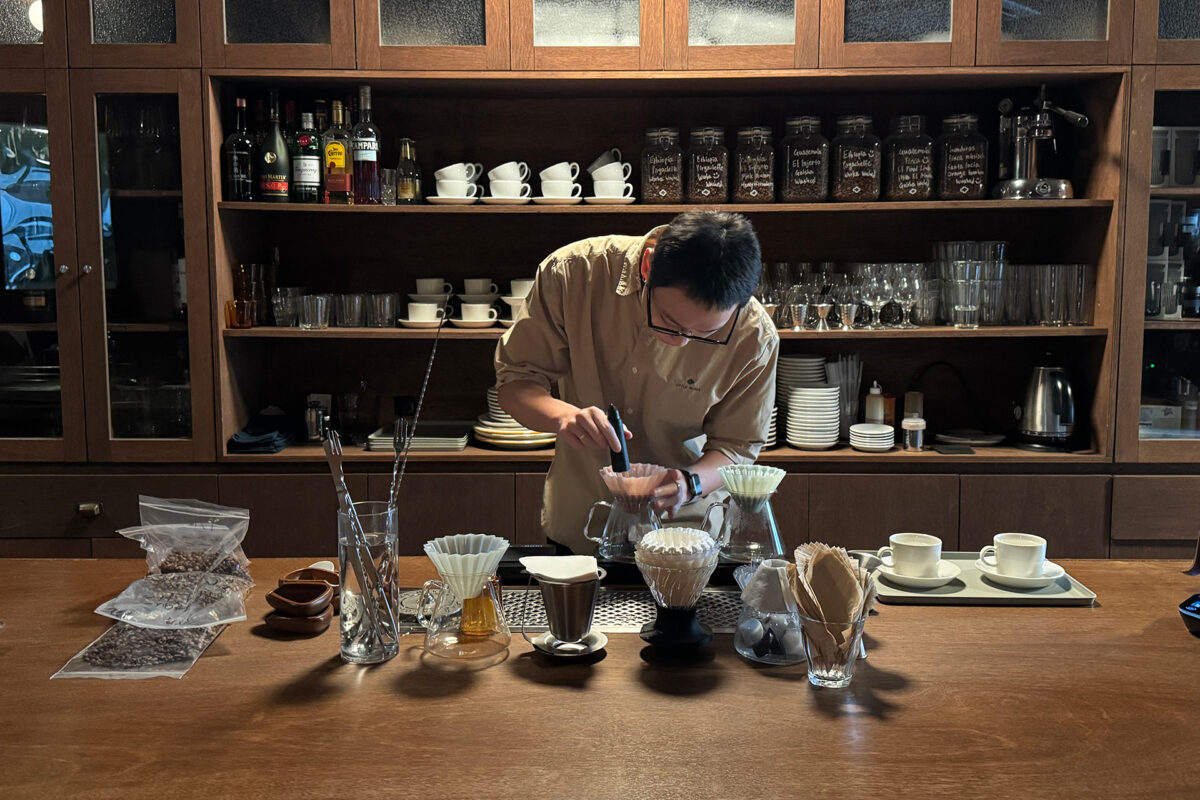
Coffee-wise, they run a Synesso MVP Hydra for espresso and Origami drippers for pour-overs. Their specialty beverages are just as thoughtful: the City Latte is a regular latte with a punchier coffee flavor, and their strawberry matcha latte, made with local Jeju matcha, is honestly the best I’ve had in Korea. The filter menu usually features four single-origin options from different countries and processes, and they even serve single-origin espresso—my cup on my most recent visit was particularly outstanding; bright and floral and delicate.
Pastries here are worth slowing down for and making your order a “for here” instead of a “take away.” Macarons, butter scones with raspberry jam, and brownies made with Valrhona chocolate all pair beautifully with the coffee.
Overall, Little Waves was a highlight for me: a space that combines impeccable coffee, thoughtful design, and a sense of calm that makes it easy to settle in for a while.
Fritz Coffee
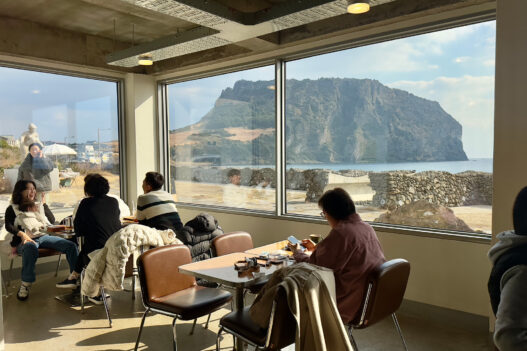
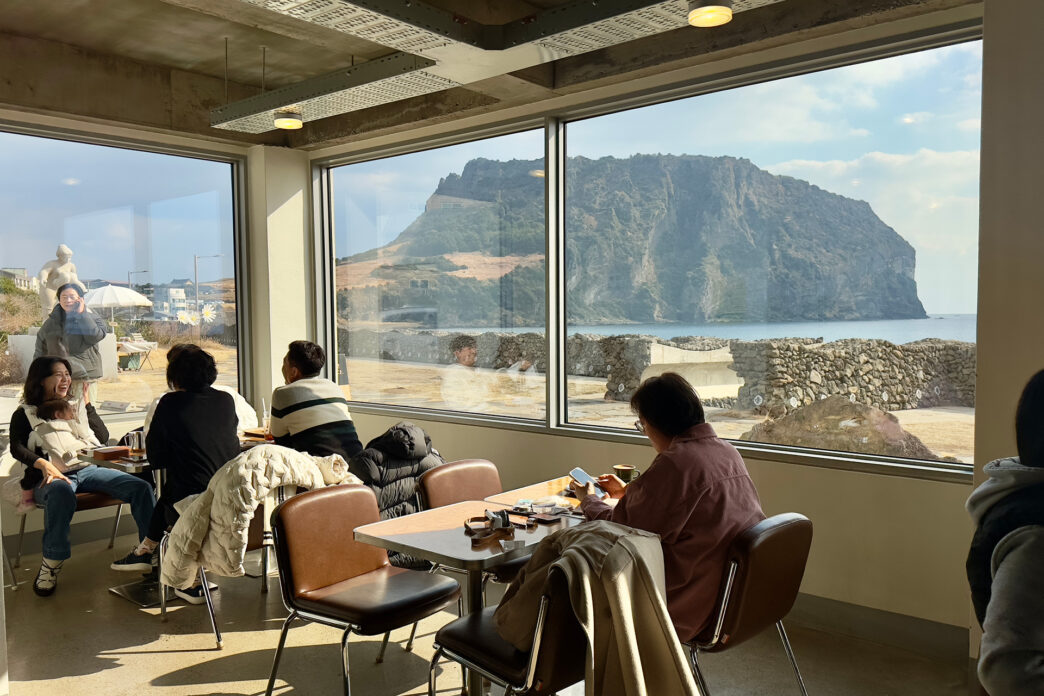
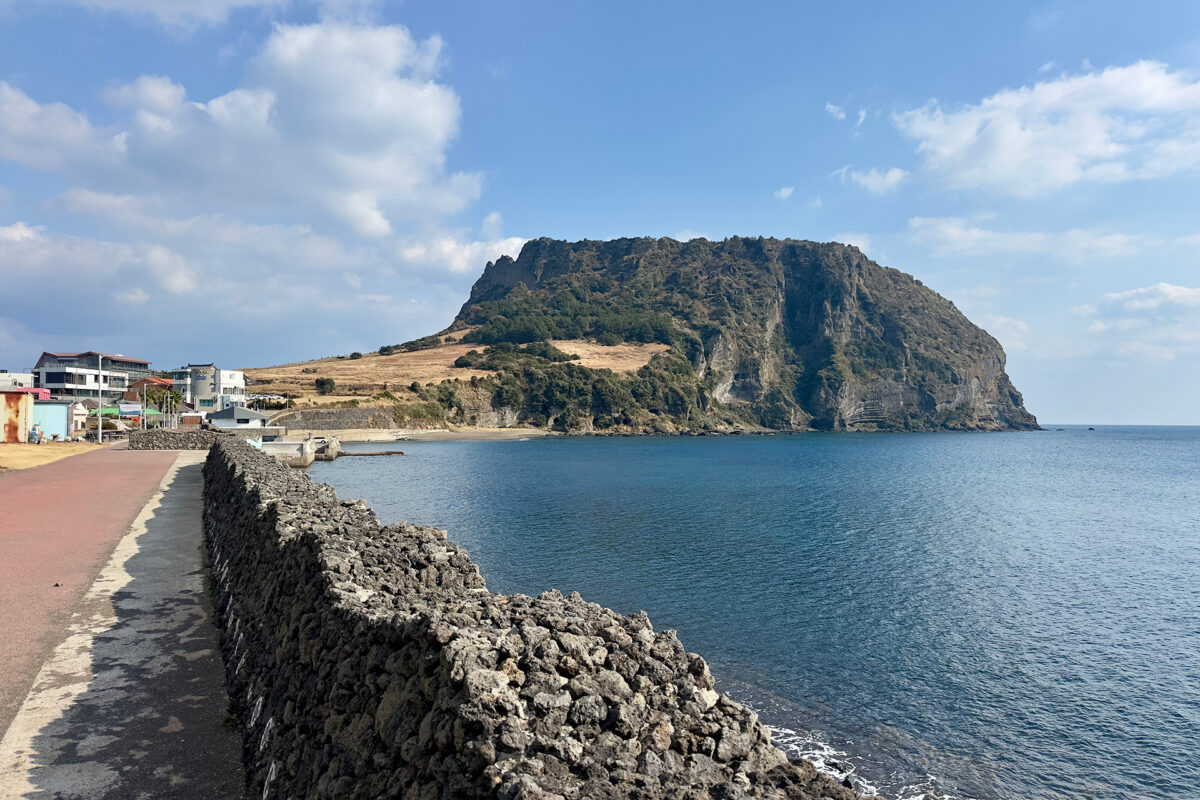
On the far eastern edge of Jeju sits Seongsan Ilchulbong—Sunrise Peak—a UNESCO World Heritage site and one of the most famous natural landmarks in Korea. It’s a massive volcanic cone rising straight out of the sea, dramatic enough that it almost doesn’t look real. There’s a paid trail to hike to the top, and it’s absolutely worth it. My ideal order of operations: coffee and pastries at Fritz first, then take on the climb!
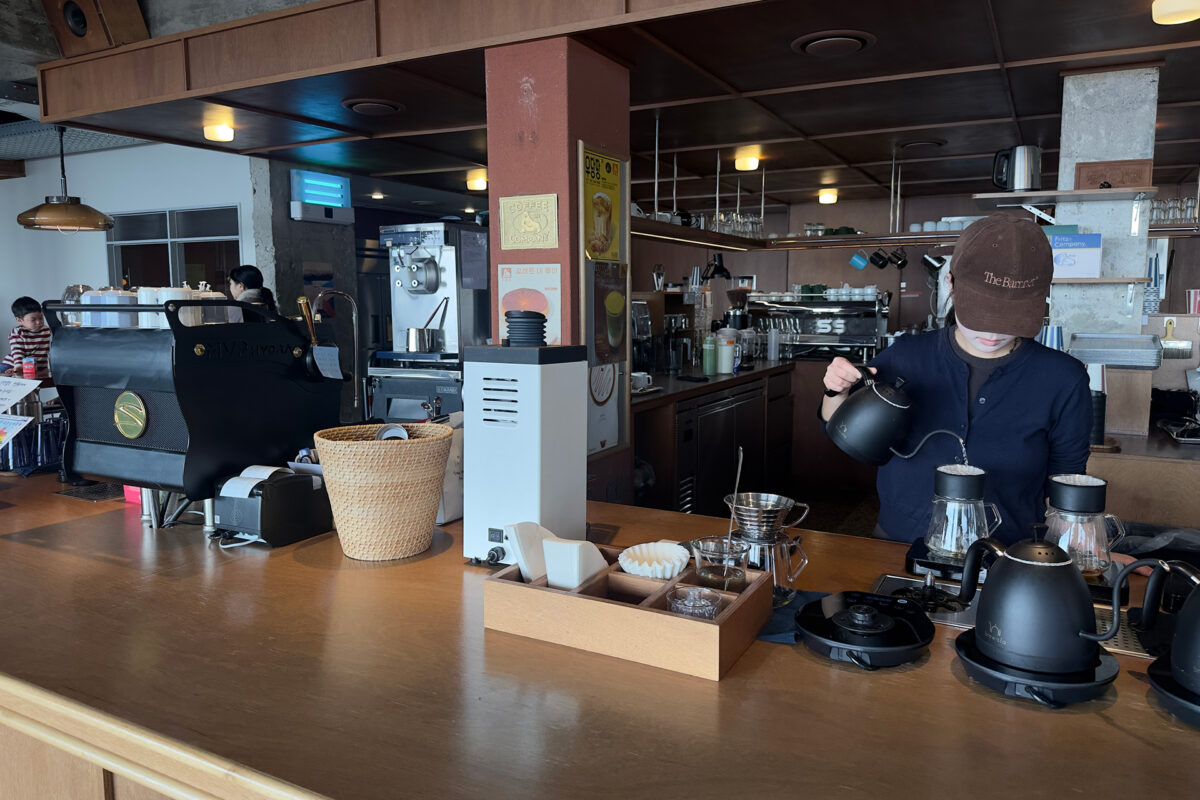
Fritz Coffee’s Seongsan location is within walking distance of the peak, and for me, it’s one of the most beautiful cafes in Korea. The property is expansive, with what feels like endless seating and an equally impressive spread of pastries and drinks. Fritz has long been a heavyweight in Korean specialty coffee, and in recent years they’ve earned global recognition. Their roasting and sourcing are meticulous, but what really sets them apart is the cohesive brand identity; everything feels intentional. This location, in particular, feels like a celebration of everything they’ve built over the past few decades.
As for the coffee, you’ll find the full Fritz lineup here. Espresso drinks come with more customization than most cafes offer—choice of espresso, milk options, sweetness levels, and different flavors—and their pour-over menu rotates frequently, showcasing their creativity with single origins.
There are also a few drinks unique to this location. The Chai Matcha Latte might sound busy on paper, but it’s genuinely special. And the Fritz Ale—a sweet, sparkling citrus drink with wintery spice—is a must-order in my book.
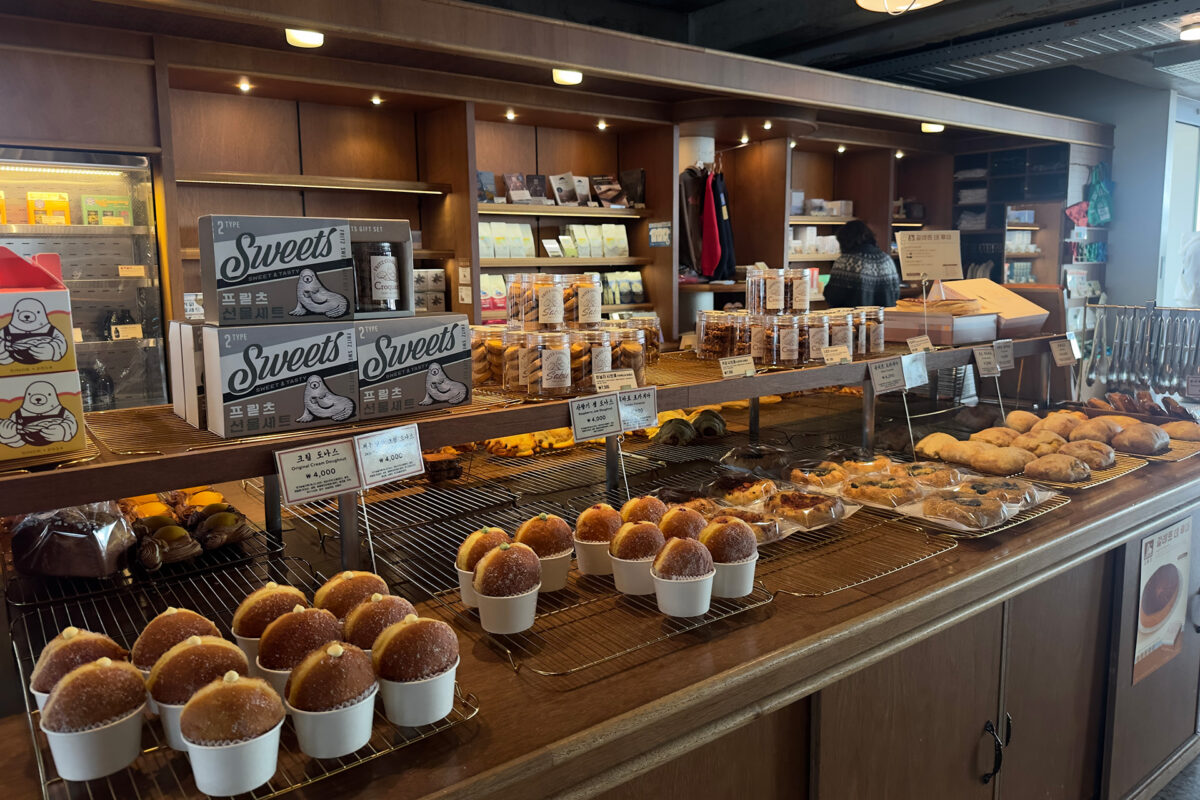
The retail wall and bakery section are just as impressive. The setup follows the classic Korean bakery format: grab a tray, choose what you like, and bring it to the counter. Their style leans Korean-French, and everything I’ve tried has been excellent: especially the morning bun and their galette des rois.
To me, this cafe feels like a marker of how far specialty coffee on Jeju Island has come. With easy parking on the property and a lot to do in the area, it would be worth crafting a few hours of your time around the cafe!
Ohsayo Coffee
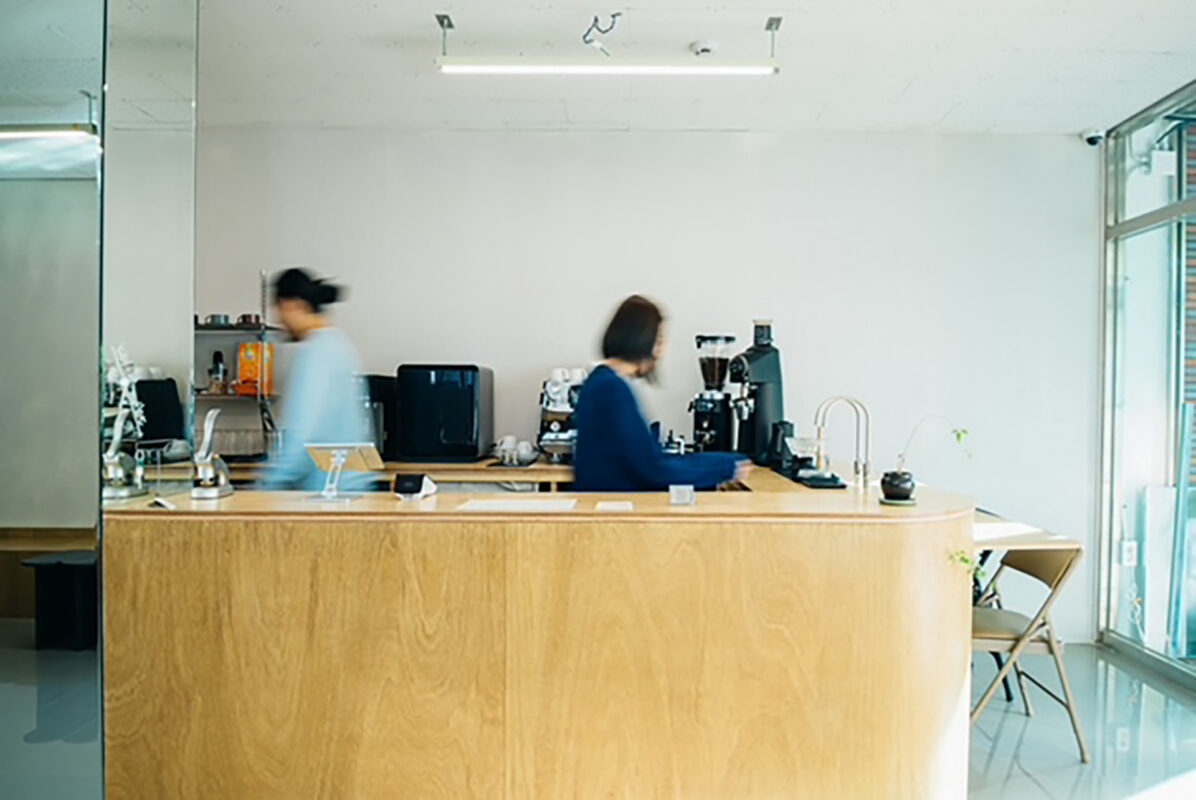
Ohsayo is a small but really special coffee outpost in Seogwipo, the only real city outside of Jeju City, down at the southernmost part of the island. If you’re visiting Jeju, there’s a strong chance you’ll spend some time in or around Seogwipo—and if you do, I’d absolutely recommend stopping here.
It’s tucked into a residential neighborhood and doesn’t try to do too much. The menu is simple, almost stripped back, which to me usually signals confidence. Outside of their pour-overs, they’re especially known for their espresso. They take a less traditional approach than most Korean cafes, playing with lower brew pressures and custom profiles on their Decent DE-1. It feels modern and intentional without being flashy—just thoughtful espresso, dialed in carefully for people who really care about how it tastes.
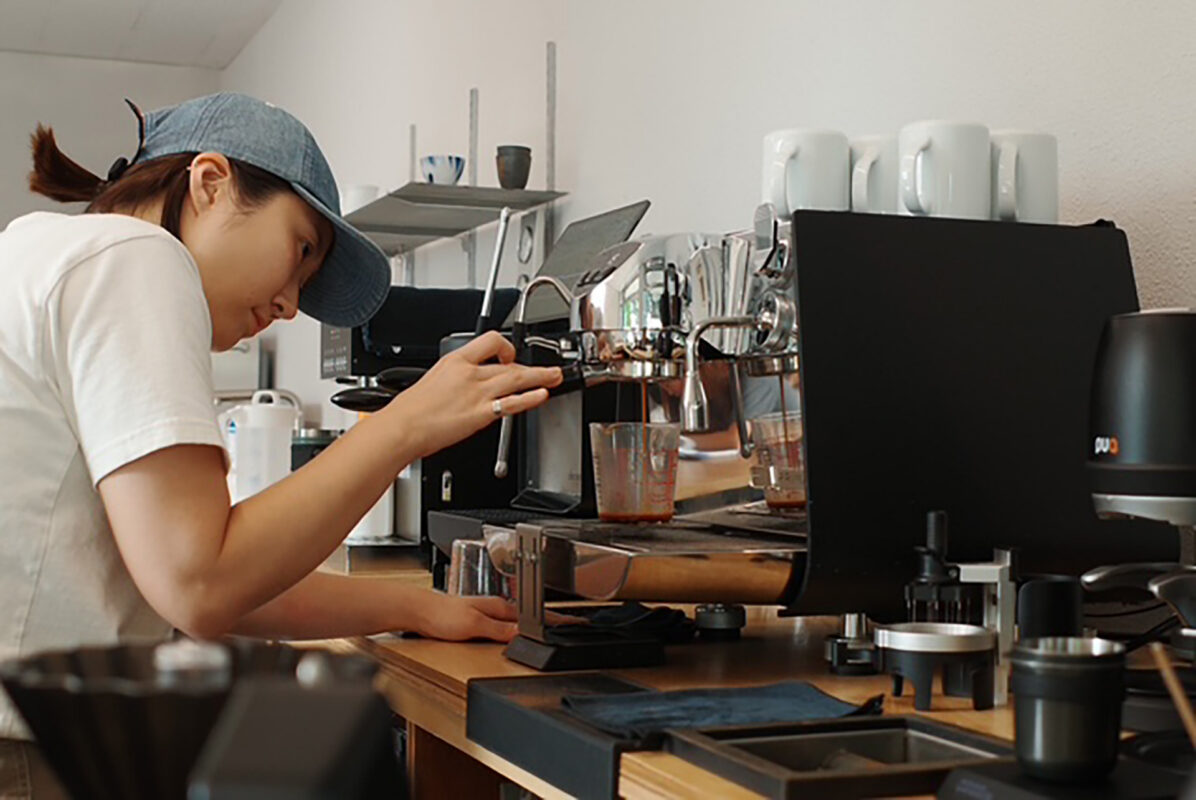
What stuck with me most, though, wasn’t even the coffee. It was the hospitality. I ended up spending a good amount of time talking with the owner, and it was one of those conversations that reminds you why small cafes matter. He clearly takes pride in what he’s built, but there’s no ego there — just genuine care. The whole experience felt personal in a way that stays with you.
Holden Jannusch is a freelance journalist based in Seoul. Read more Holden Jannusch for Sprudge.