




“Fukuoka’s coffee scene is better than Tokyo’s.”
So said my barista, whose name must not be mentioned.
Fukuoka City—AKA Hakata—is a kissaten town. This reputation stems from institutions like Café Brasileiro, Coffee sya Noda, and Coffee Hiiragi: venerable kissaten famed for their Shōwa mise-en-scène and siphoned or Nel-dripped “deep roasts.” Kyushu’s largest city has many kissaten, but Muneo Morimitsu’s Coffee Bimi, founded in 1977, stood out early for thoughtfully selecting seeds to be roasted in-house at a time when many saw coffee as little more than a cheap commodity.
Fukuokans have long had a straightforward regard for quality, and this has led to some exciting results. Tokado Coffee’s Naoki Gotō, for example, won the 2013 World Coffee Roasting Championship (WCRC), while Fukuoka-born Hidenori Izaki clinched the 2014 World Barista Championship (WBC) title.
Prizes are splendid, but the spirit that wins prizes is even better. WCRC-winner Naoki Gotō trained at COF-FUK, a volunteer group formed in 2007 by Noriko Sunaga, Yumiko Koga, and manucoffee’s Sōshi Nishioka. The group’s free cuppings, blind tastings, and seminar note-sharing sessions incubated not just Tokado Coffee, but also Rec Coffee and Manly Coffee. Who knows if these places would have survived in Tokyo’s cold, competitive wards?
Comparison need not be the thief of joy, so join us in Hakata, sip from each shop on our Guide, and decide for yourself which city has the better beverages. Here, you won’t find $14 ‘spros or romanticized “kodawari” drinks—only glad cafes whose owners craft coffee with ineffable honesty.
Shall we Bachata en Fukuoka?
Manly Coffee
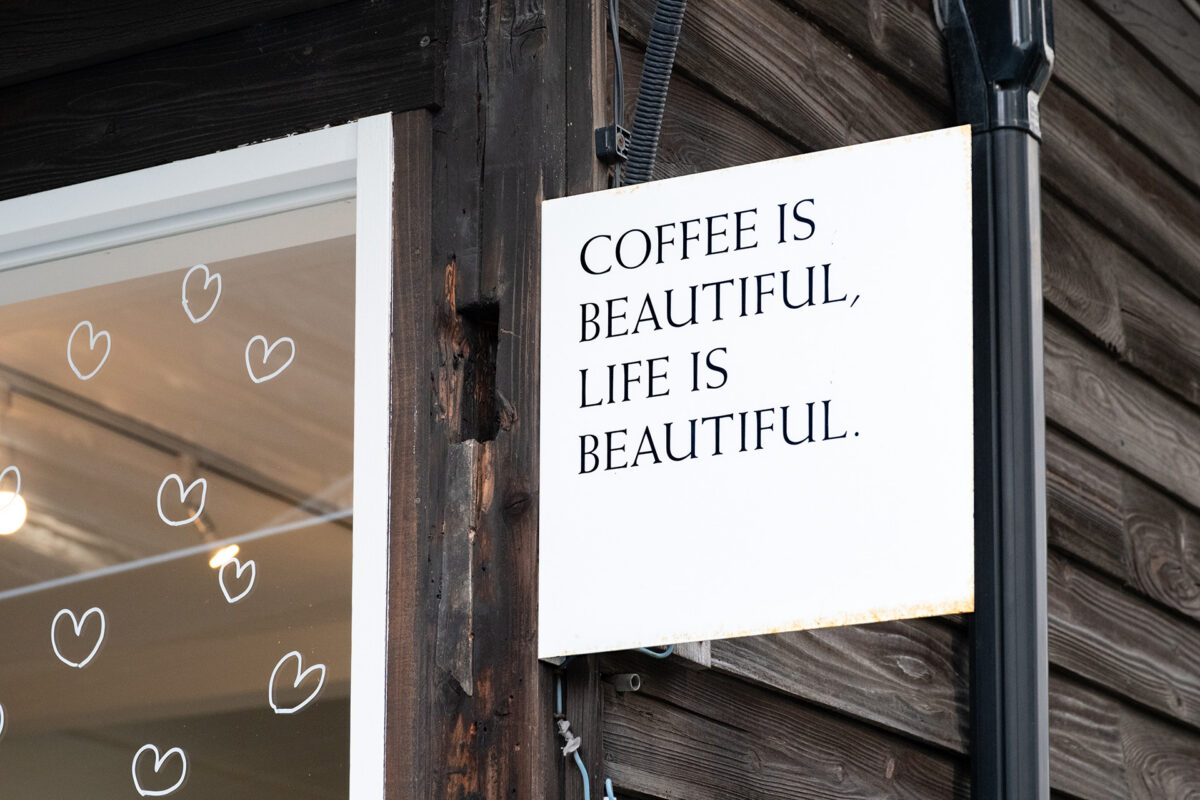
“MANLY COFFEE.”
“You have to go to Manly.”
“Manly is the best!”
It seemed like whenever I asked someone where I should go first to get coffee in Fukuoka, they all said, “MANLY”.
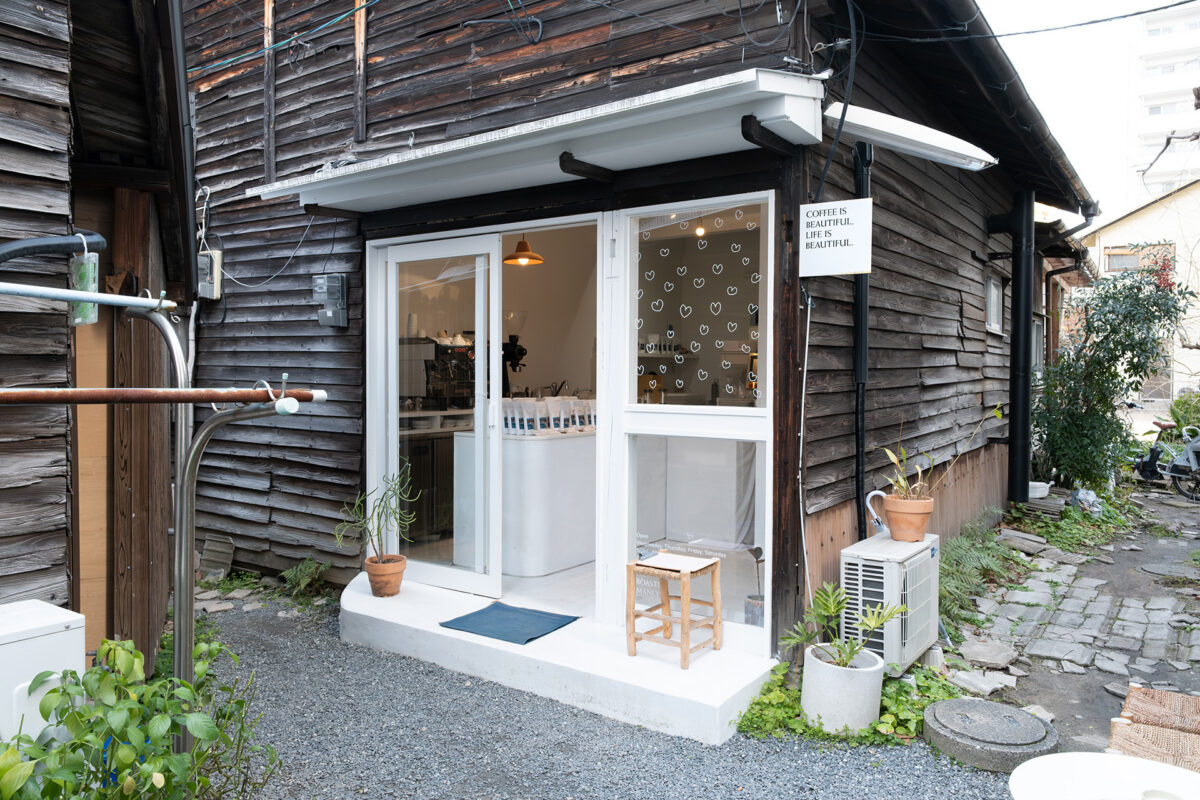
I admit to being hesitant to suggestion, but the recommendations were fair. Noriko Sunaga is a member of the COF-FUK group, and Manly Coffee is her store, first opened it 2008. Today it seems every Fukuokan knows this place, and feels strong about volunteering it as a first-stop destination for those visiting in search of great coffee.
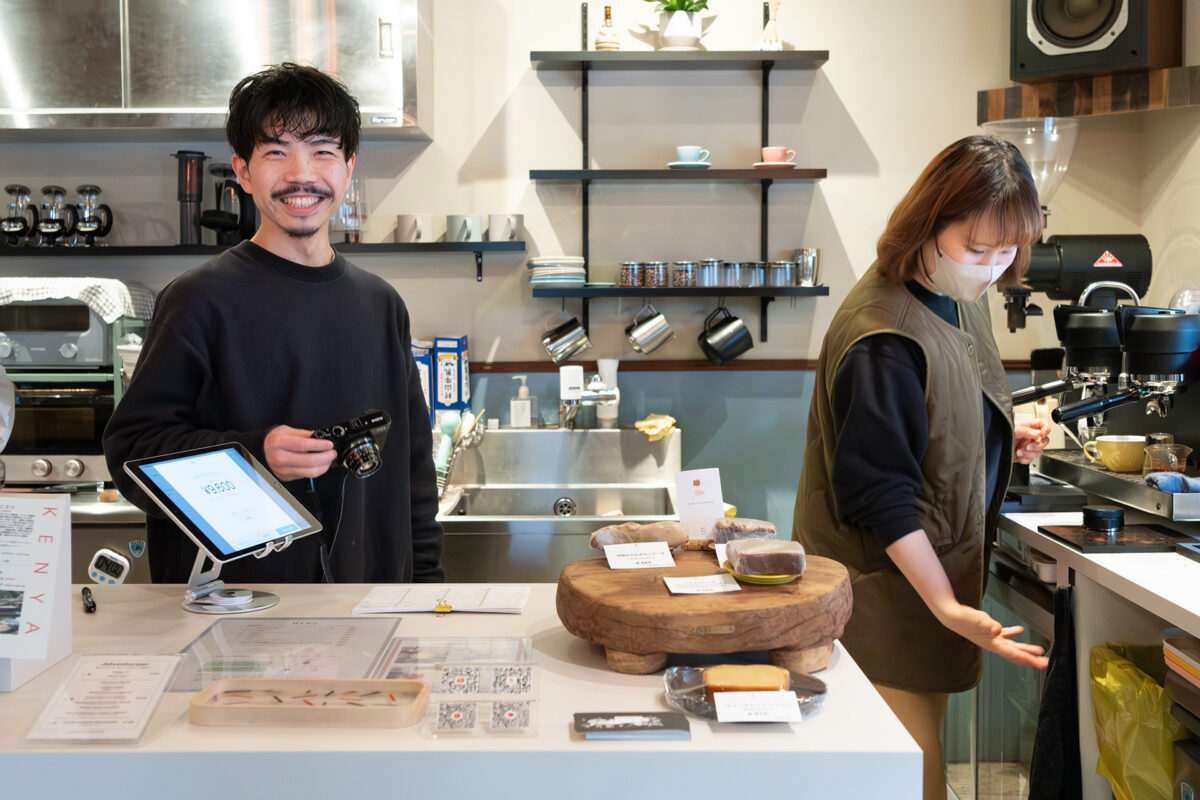
“I want to be the best in the world at something,” she told me. “But I don’t get obsessed with that. I see it as a way to keep challenging myself.” And who can argue with growth? When Noriko proposed I try “something new” in lieu of my standard espresso order, I listened.
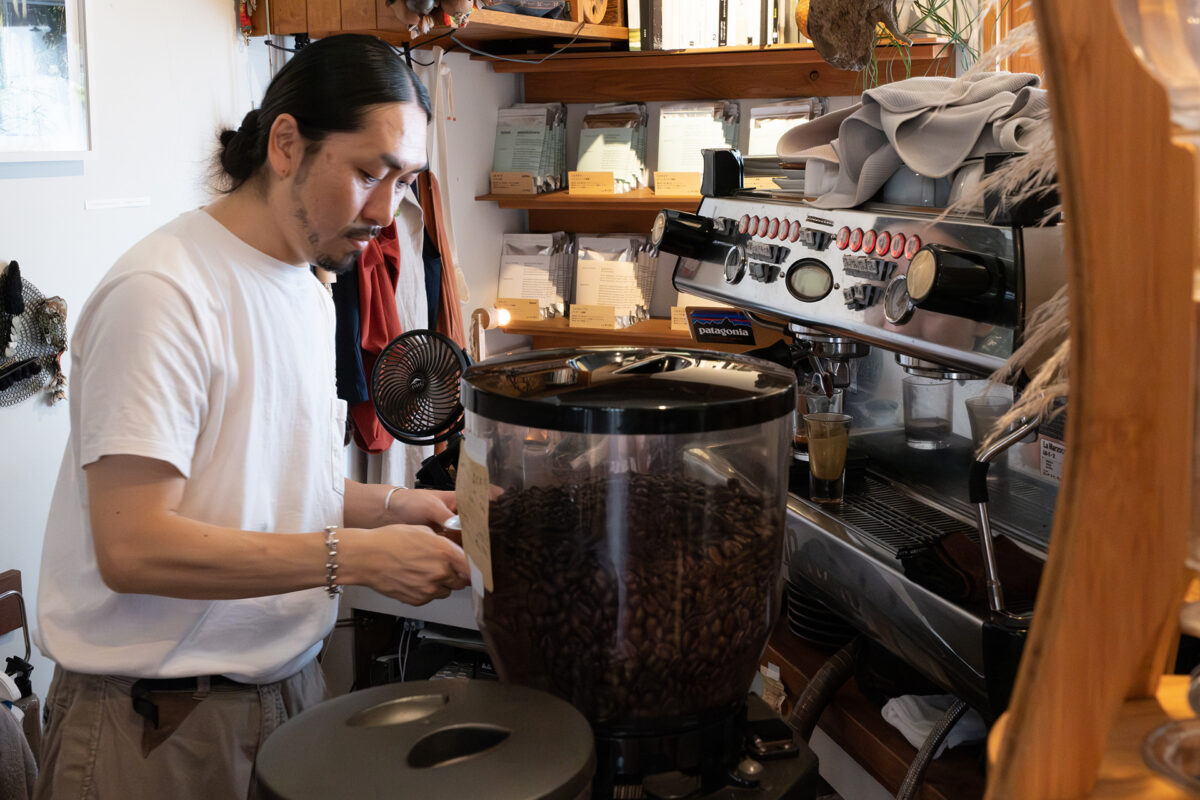
While waiting for my drink, I noticed, on the bar, Rwandas ready for the AeroPress and Brazils to be pulled on the La Marzocco Linea—seeds roasted on the Loring S15 Falcon connected to Cropster for monitoring. “But I still write everything down by hand,” Sunaga adds.
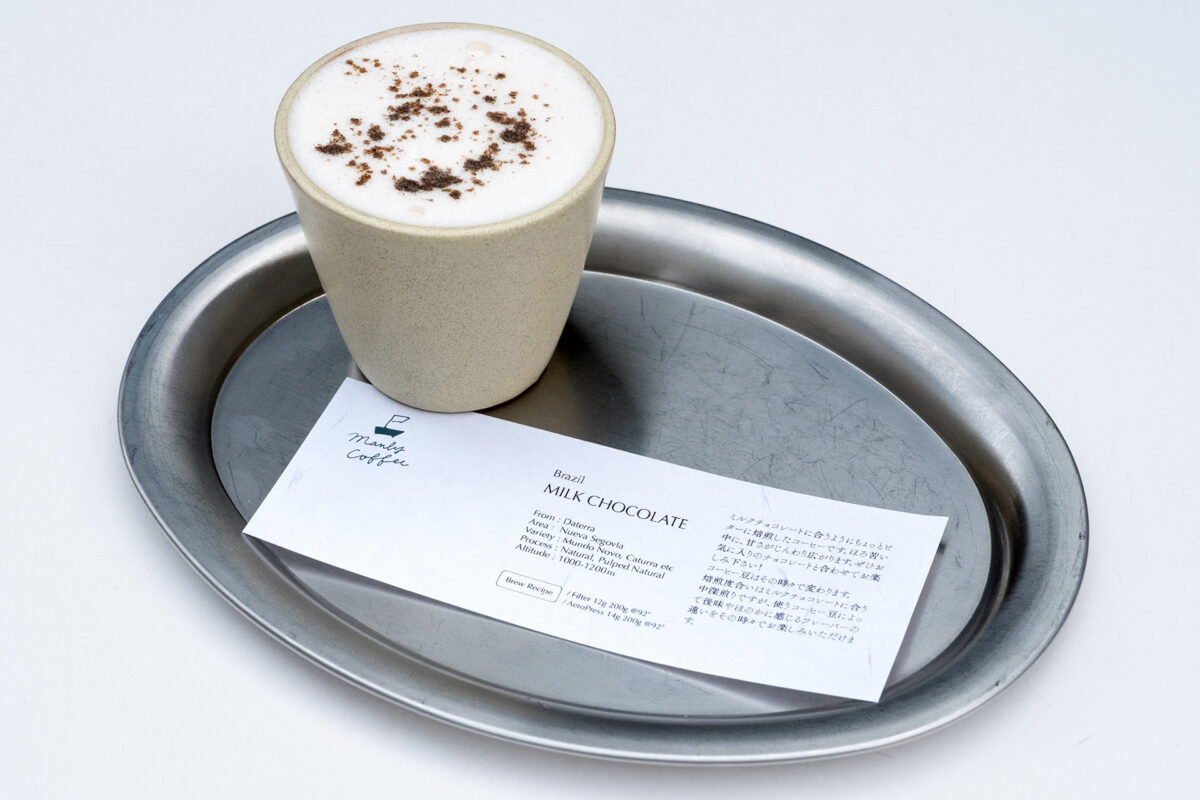
Noriko decanted a caramel-rich elixir into a cup and dusted it with cardamom—this was my Brazilian Milk Chocolate/Minas Gerais milk brew. One sip, and I too joined the choir:
“Go to MANLY COFFEE!”
Basking Coffee
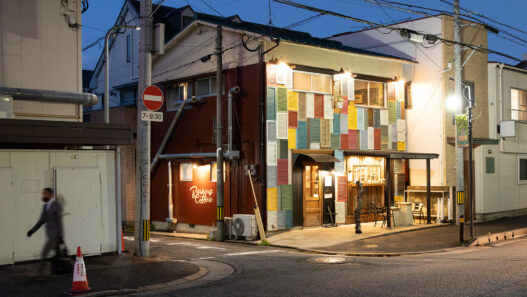
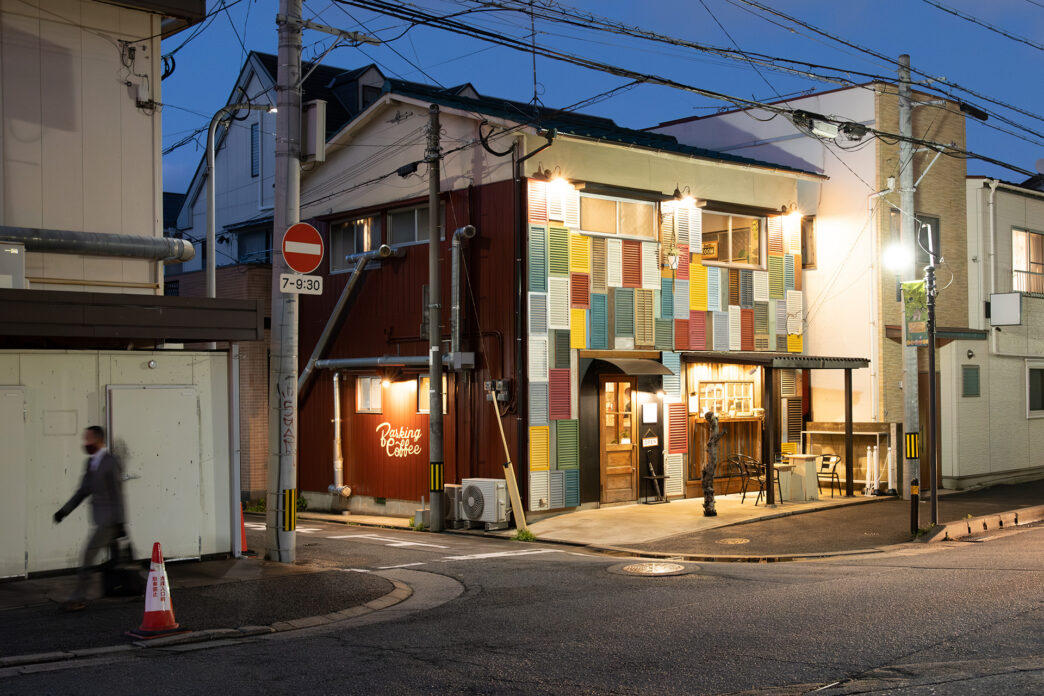
When in Fukuoka, a priority should be to visit Ōhori Park. Its trail encircles a heron-haunted pond, its waters divided by a Amanohashidate-looking strip of land like something out of a work of art. For a nearby cup, walk south to Basking Coffee Ropponmatsu; you can’t miss the building’s colored, louvered shutters.
Founder Keita Enohara appeared to wander in life before settling on coffee. In his twenties, he played in a punk band while working at Honey Coffee. He traipsed the globe—including Central America’s coffee-producing regions—and after arriving back home in Chihaya, Keita thought, “I want to own a coffee shop.”
So, in 2014, he opened one. Three more would follow.
Basking’s fourth branch in Ropponmatsu is boho-chic with its Edison bulbs and aspleniums and lots of pots of coffee. When I entered, Yūki welcomed me from the register, beside the shop’s Synesso S200. I got an Indonesia doppio, its flavors refined with cream and sugar and heightened by my servers’ humor, my little cup of joy prepared me for the next leg of my journey.
Lose yourself in Ropponmatsu’s streets at night, or loll on Basking’s patio late—this branch is open until 7 p.m.—and who knows? A cup might inspire you to wander into your next adventure.
Rec Coffee
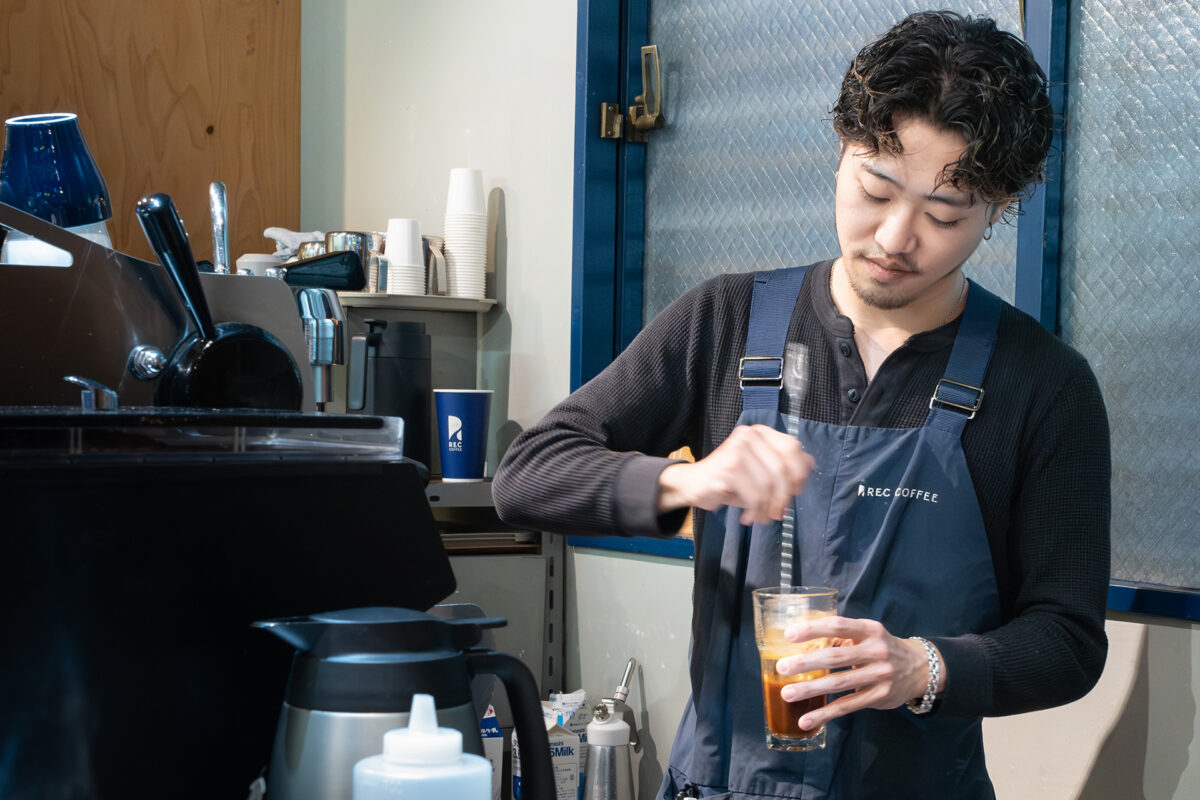
Reco Coffee is a nine-shop international chain with branches in Tōkyō and Taiwan. That’s a lot for a company that started out as a coffee truck. Yoshikazu Iwase, Rec’s co-founder, went from struggling to pay the bills to winning the Japan Barista Championship twice and placing second in the 2016 WBC. After bouncing between kitchen jobs and cafes for years in Fukuoka, Yoshikazu and co-founder Osamu Kitazoe bought, with a loan, an old takoyaki truck and refurbed it into a moveable cafe. The gamble worked. In 2010, Rec moved into its first brick-and-mortar store in Yakuin.
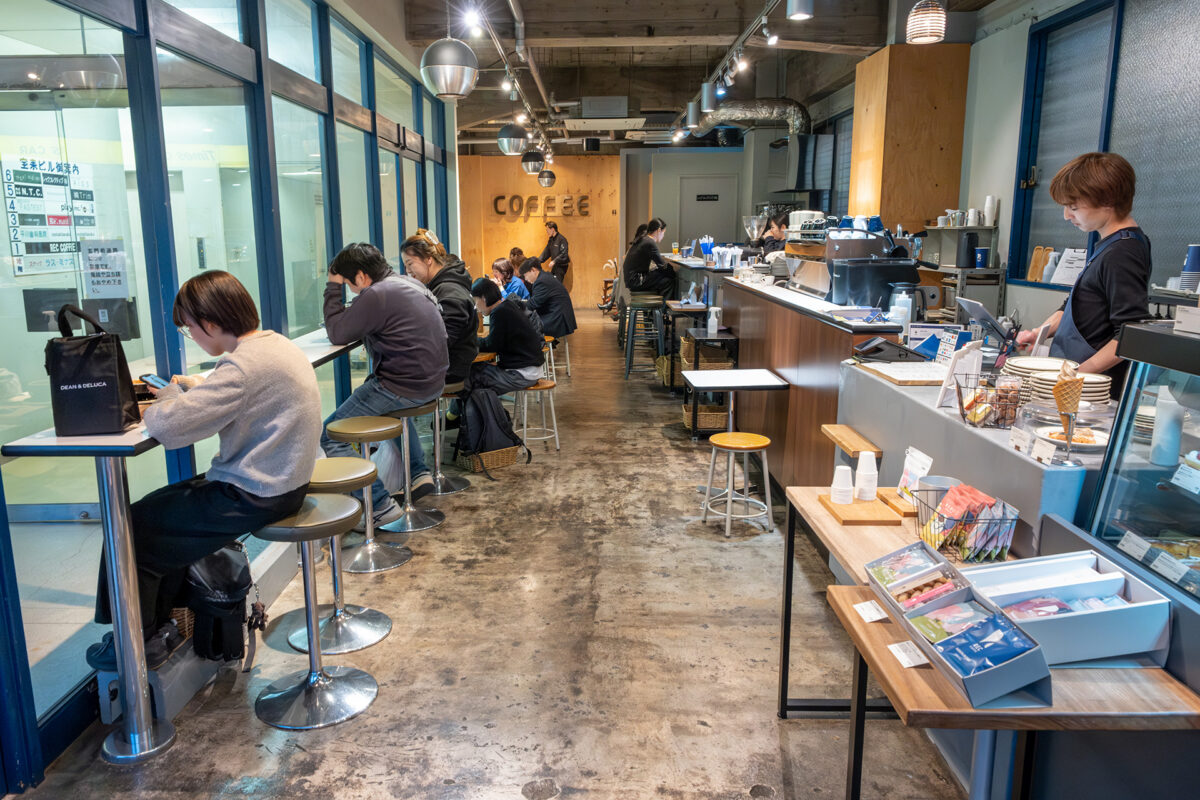
In keeping with Fukuoka’s tradition of the “closing coffee”, Rec Coffee Yakuin Station is open until midnight or 1 a.m. most days. Rec also has a prodigious selection of single origins: two espresso options and six filter coffees, at the time of my visit.
Emerson said that “the results of life are uncalculated and incalculable.” One sip of Rec’s perfect Brumas Gesha Apple Anaerobic left me sure this place was something special.
Cs Somme Café
“At times, we Japanese overdesign.”
That’s what an architect told me while we were waiting in line at Hakata Rāmen Shin-shin.
Overdesign? Japan’s architects have many idioms—one of them is extravagance—but each mode is always their own. Take cafe&bar saino in Tenjin; it’s carved into the corner of a red-and-white brick, metal-finialed, Meiji-era life insurance building. Nothing like that could exist in the States.
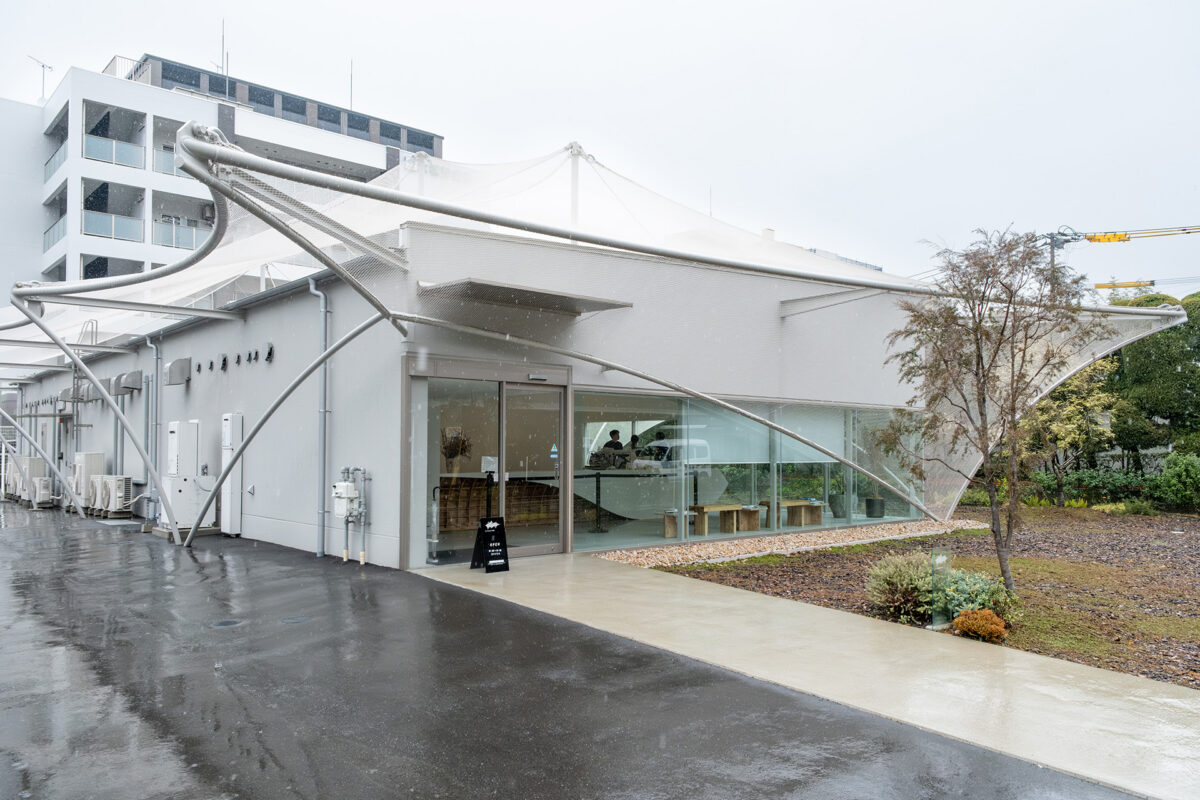
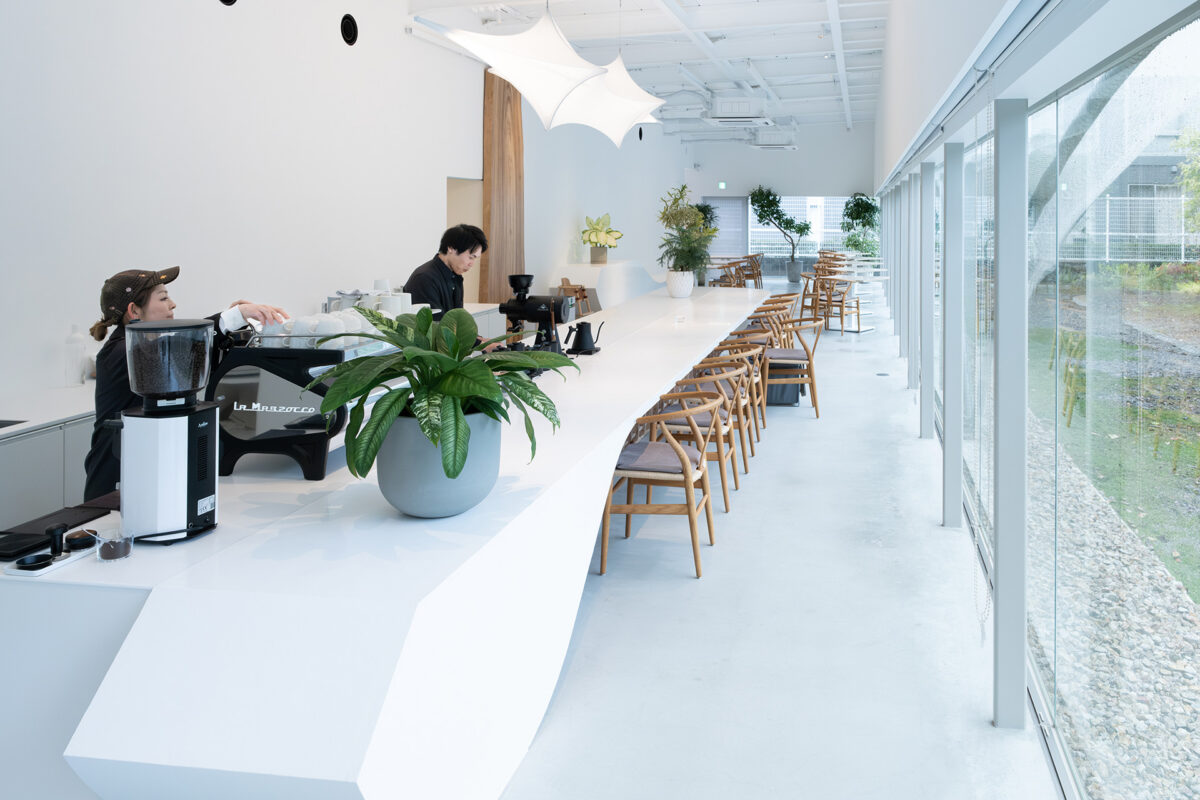
And neither could Cs Somme Café. Kengo Kuma and Associates (whose CV includes the Japan National Stadium) built Cs Somme with function and feng shui in mind. Outside, a series of mesh-fitted arches filter sunlight and lend the building a delicate musicality. Inside, ivory gleams from every crevice. Wide windows look out into a garden. The long, lute-in-profile bar—upon which a La Marzocco Strada shines—gives customers an unmediated view of servers.
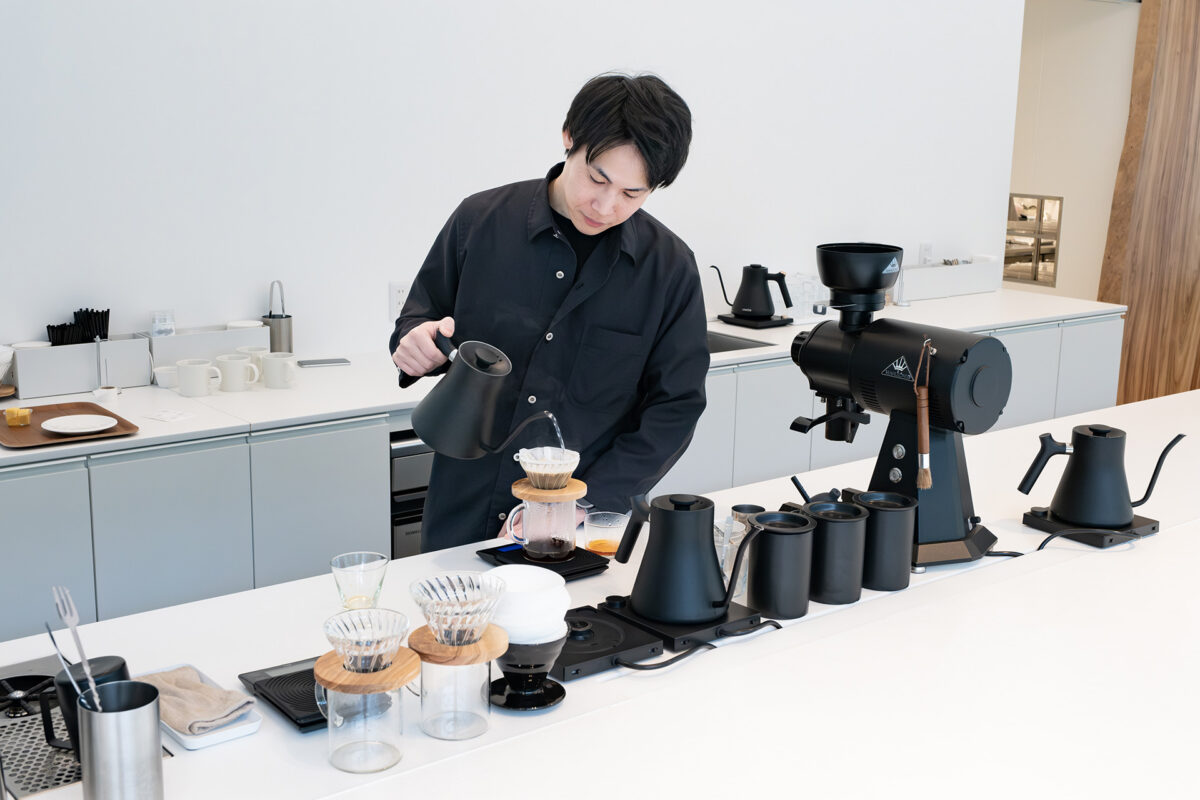
Kurasu Kyōto and Rostro provide the pour-over and espresso roasts, respectively, and Hoshino Seichaen’s Japanese Tea supplies the sencha, matcha, and gyokuro. The taste of tea matches handsomely with sweets such as the silky Hokkaido Baked Cheesecake. Drink in the atmosphere alongside the coffee. You’ll find that Cs Somme Café is intelligently designed—not just architecturally, but also gastronomically.
Sym Coffee Roasters
Facts of life abroad are often odd to tourists. Nob Coffee is open for just three hours on one day of the week, Letyon’s Coffee Honor System is a 24-hour, unmanned seed dispensary, and Fuk Coffee is airport-themed.
And then there’s Sym Coffee Roasters. In 2025, Ethan Gwon of Momos Coffee in South Korea teamed up with Rui Kondō of Rec to put a Busan bend on the Maidashi district. And the results are, well, different.
How does toast sound to you? At Sym, you can get pizza toast, grapefruit toast, avocado toast, teriyaki toast, and, of all things, an open-faced strawberry sandwich toast. From 8 to 11 a.m., Sym discounts its “Morning Coffees” (80–150 yen off drip roasts, espressos, and americanos). If you’d like to smell any of the grounds used in your drink before buying it, turn to the Victrola-trumpet-looking Squeaky sniffers and whiff away.
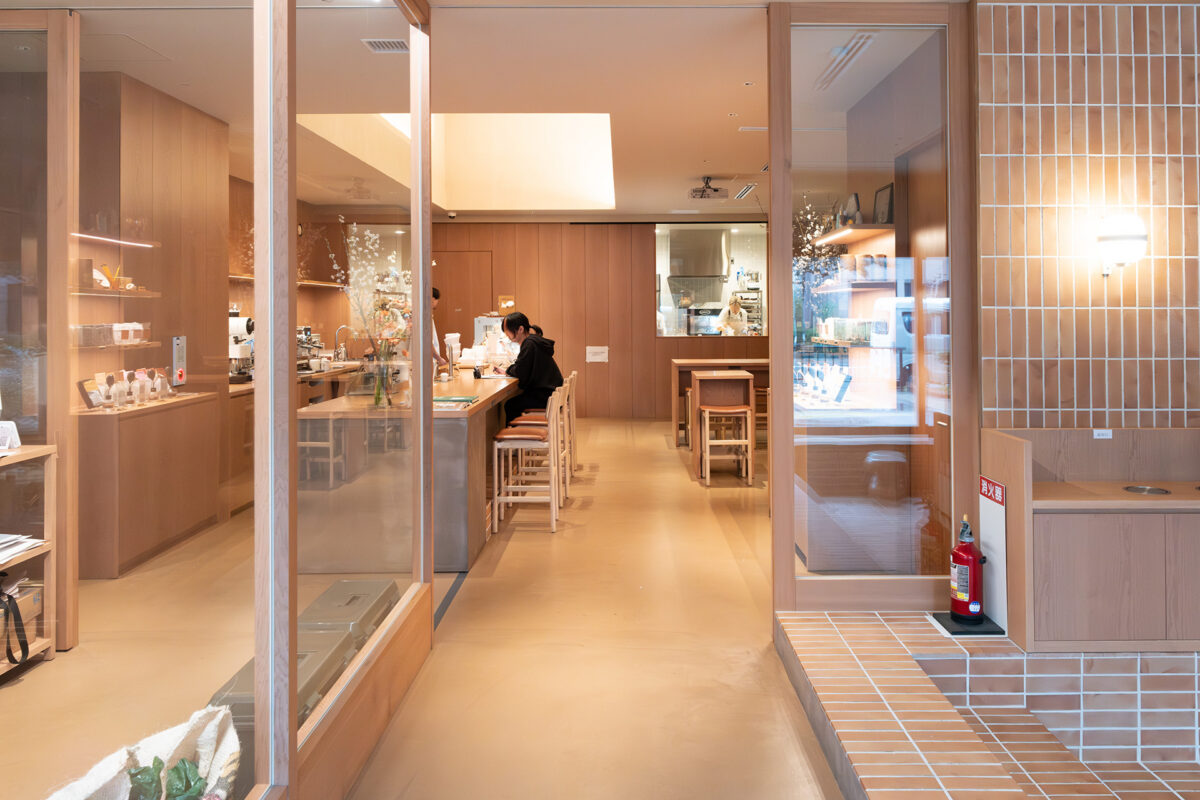
Sym’s shōji-like sliding glass doors open so wide, your latte experience might start out inside and end up outdoors. And while the Victoria Arduino Black Eagle Maverick and Mythos grinders are far from unexpected in a city this committed to coffee, I don’t think I’ve ever seen an all-white Probat before…
Sym proves it’s OK to be different, because what seems different isn’t—especially when seen from a different perspective.
Honey Coffee
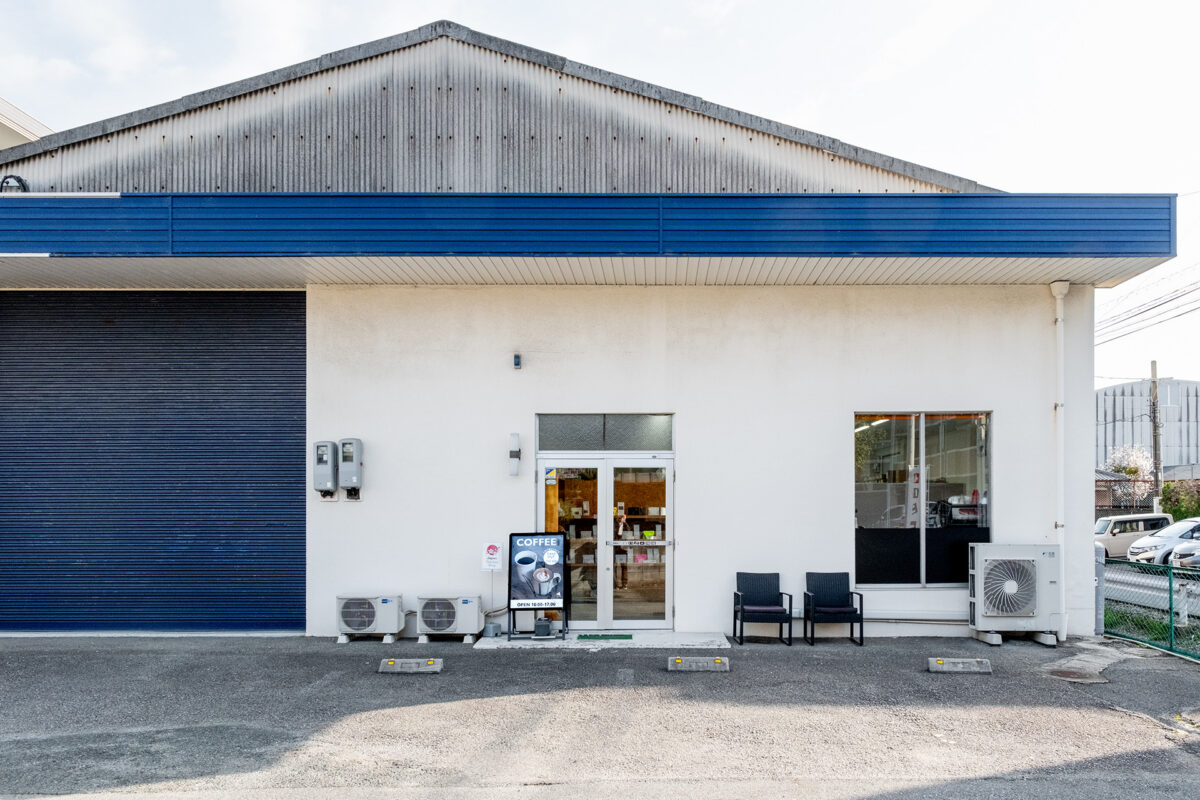
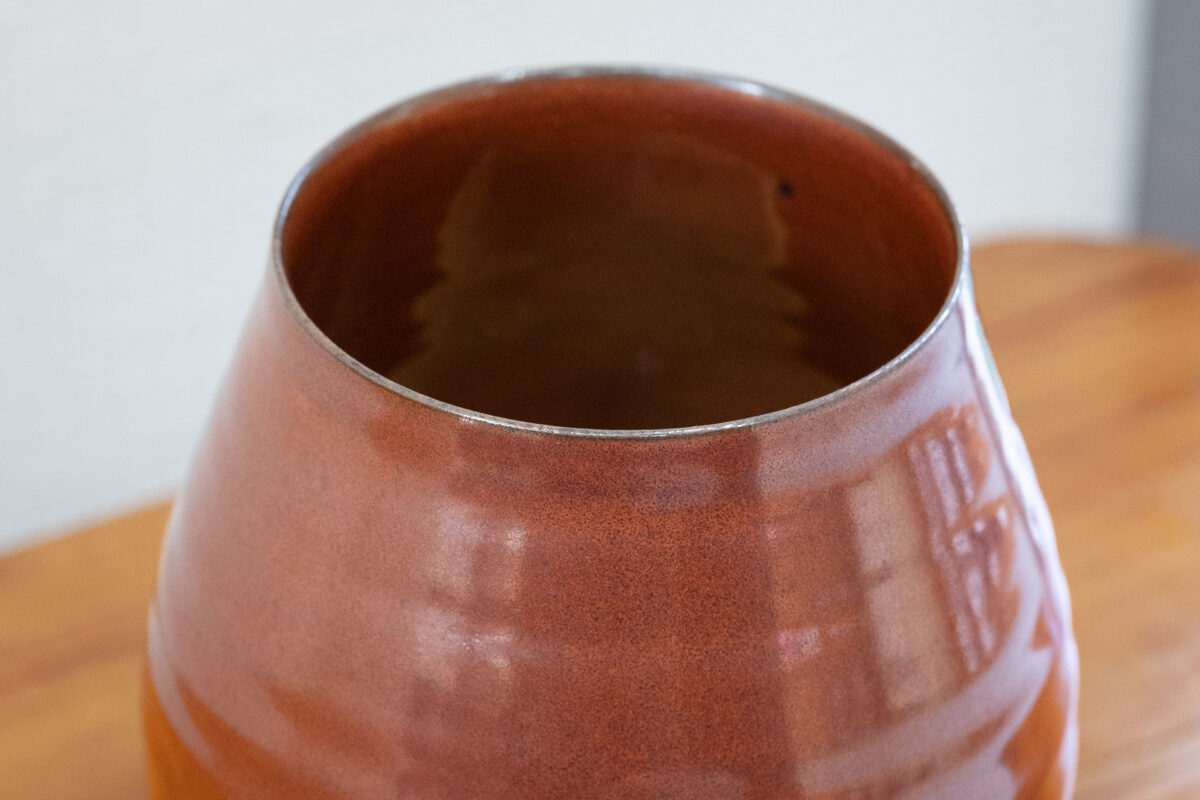
My Brazil Caxambu solo, one half of a “Flight Set” pulled on the Sanremo Café Racer, came to me in a Takatoriyaki cup. These ceramics trace back to kilns first fired four hundred years ago at the base of Fukuoka’s Takatori Mountains.
Honey Coffee has an interesting history. Longtime president Katsuhide Izaki set his heart on sharing specialty seeds with Fukuokans after encountering “Seattle-style” roasts. As early as 2001, he joined an online mailing list and a cooperative dedicated to sourcing single origins. By 2004, Katsuhide was a Brazil Cup of Excellence judge. By the 2010s, his mentees had become legion: Rec Coffee, Manu Coffee, Little Stand Daimyo—even Switch Coffee in Tōkyō. No wonder some in coffee circles call Katsuhide “Hanī Oyaji,” or “Papa Honey.”
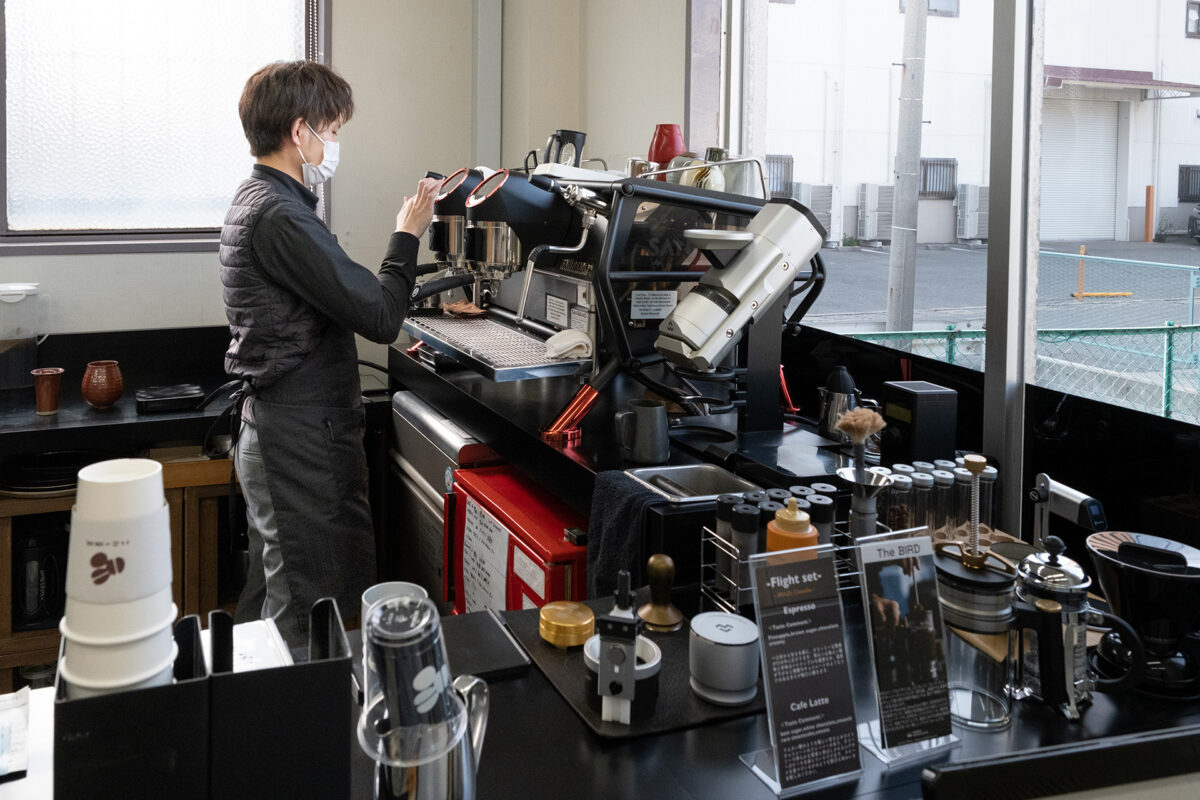
Of course, Honey still innovates. New president Yasuhide Izaki has added novel brewing techniques to Honey’s repertoire. At the Honey Coffee Naka Main Store/Roastery & Distribution Center, for instance, patrons can purchase seeds steeped in “The BIRD”: a piston-driven vacuum brewer that extracts a marvelously smooth cup.
The nostalgic can still savor Honey’s beloved French press, a shop staple since the ‘90s. And so, Honey Coffee is a macrocosm of the drinks it serves: traditional, yet modern—a little like my Brazil Caxambu solo, or Japan itself.
Fake It Coffee
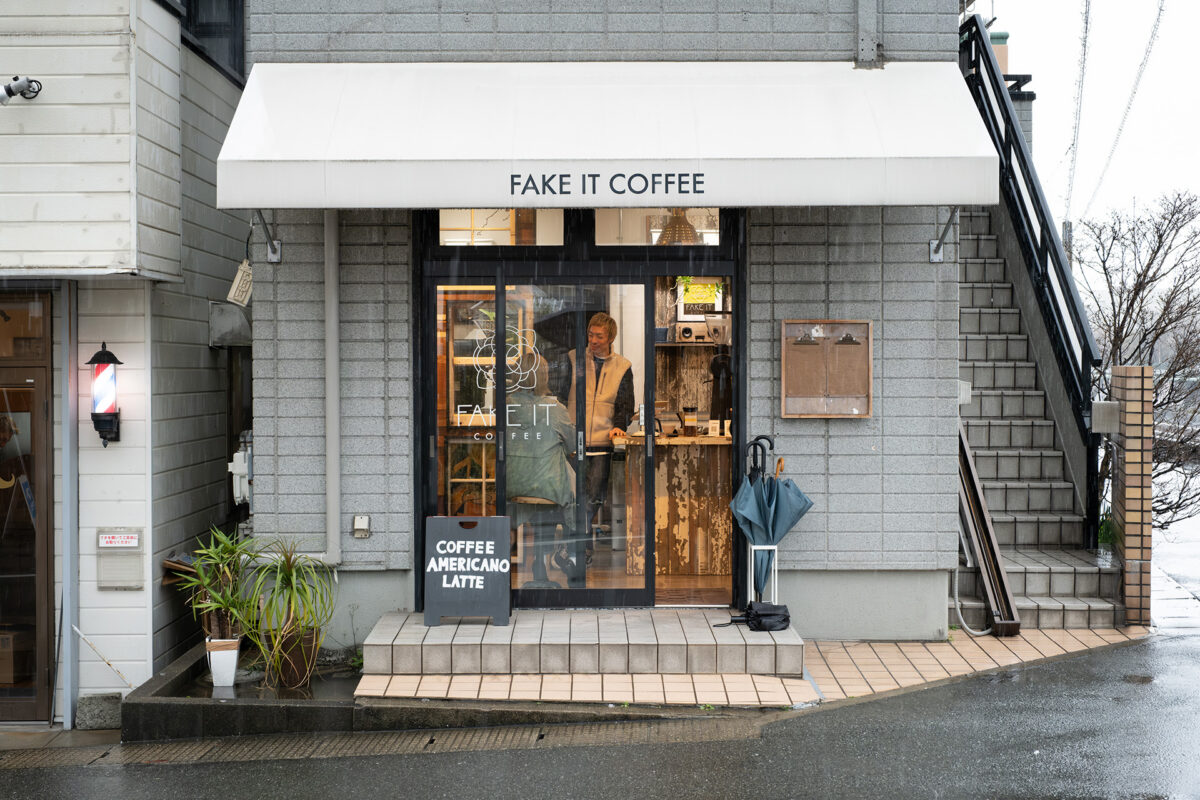
“Why don’t you go to Fake It Coffee?” my barista told me when I asked him where I should go next. “Takuya used to work at Honey. He’s a humble guy, and he makes some of the best coffee in all of Fukuoka.”
In retrospect, I should have taken a taxi (it was raining), but I was glad to arrive at the 160-square-foot Fake It. At first, the shop looked like a to-go spot built for Higashi-Hie’s workers, so I ordered a takeout. But then I saw some regulars by the counter, so I sat down with them. Before long, Takuya Ōsera, Fake It’s leader, struck up a conversation with me.
“Fukuoka has a tight-knit culture,” he explained. “It’s a compact city. Many of our cafes are physically smaller in size. Customers and baristas are close.”
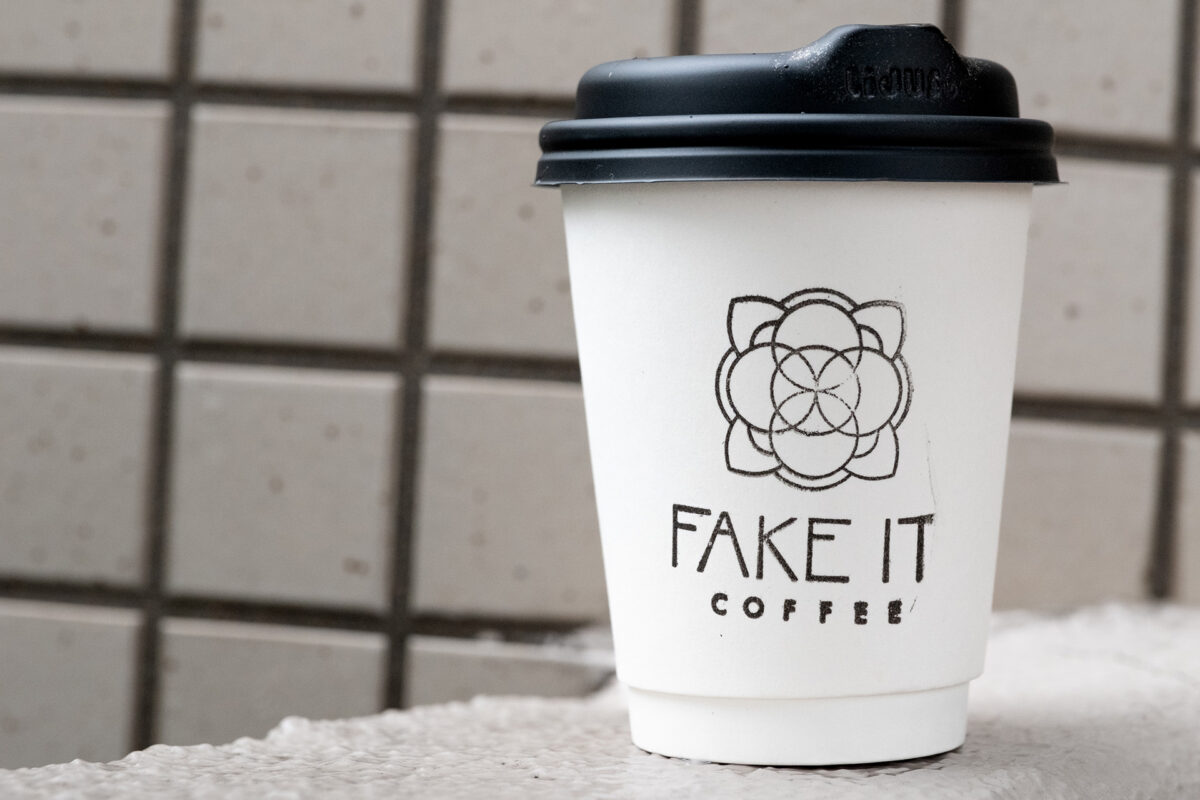
Takuya handed me my hand drip: a washed San Pablo Honduras. It had a nectarine clarity—a world-class taste in a paper cup.
The next time I go, I’ll have to try the “Coffee of the Day”: a rotating selection of single origins brewed on the xBloom, a premium home machine. It doesn’t get much more down-to-earth than that.
If you’re in Fukuoka and want to feel like a local, go to Fake It. It’s the real deal.
Those not finished with Fukuokan coffee should check out Niyol Coffee, Manu Coffee, and Tokado Coffee. Also stop by Connect Coffee and Coffee County, but expect tourists. Beyond these, poke around Fukuoka for yourself and see what draws you in.
And don’t forget Hakata’s food scene. Mentaiko, motsunabe, and tonkotsu rāmen are must-eat regional dishes—though you’d never hear locals brag about them.
Nara ne! (“See you later!”)
Michael Joseph is a freelance journalist and photographer based in Hiroshima. Read more Michael Joseph for Sprudge.