
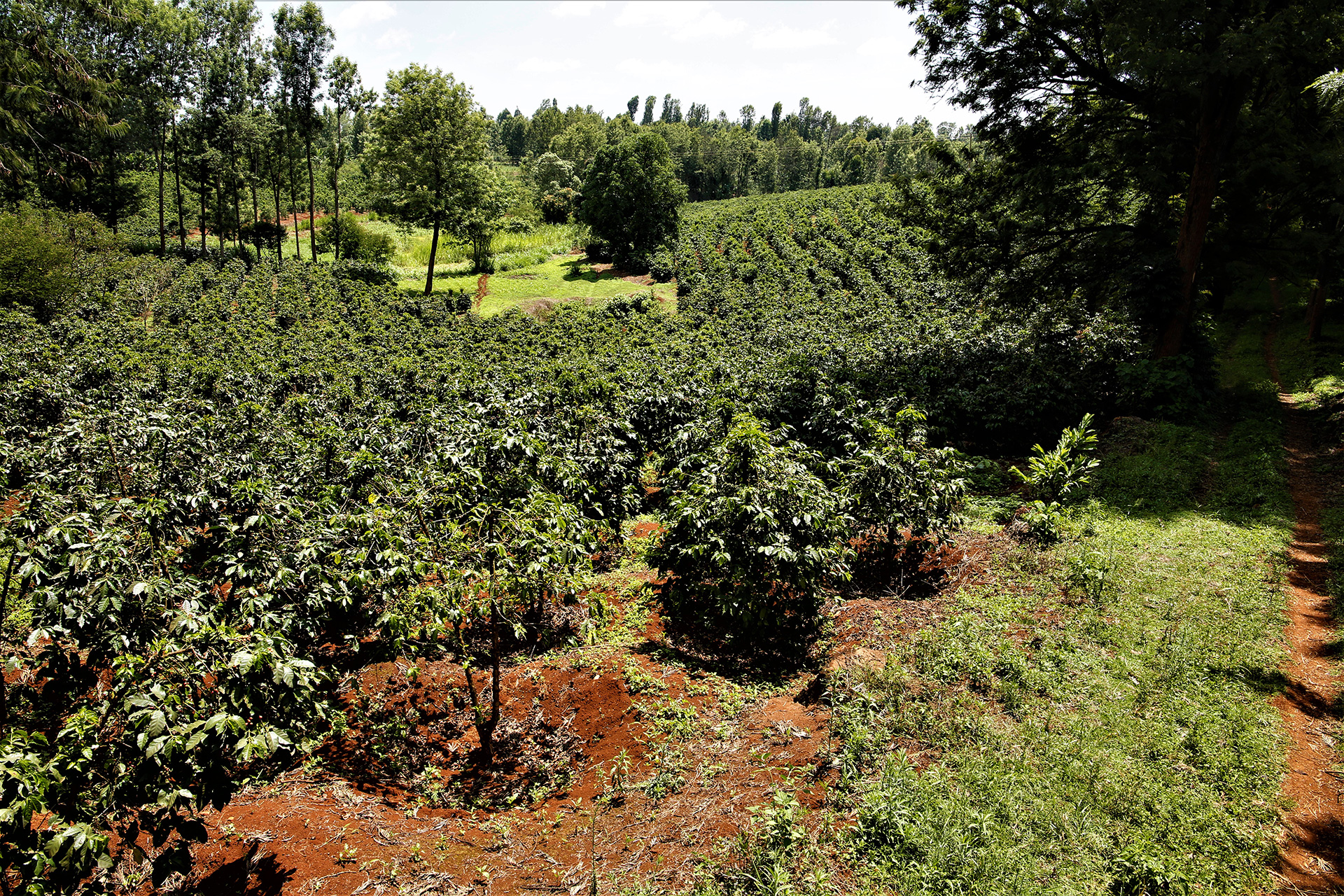









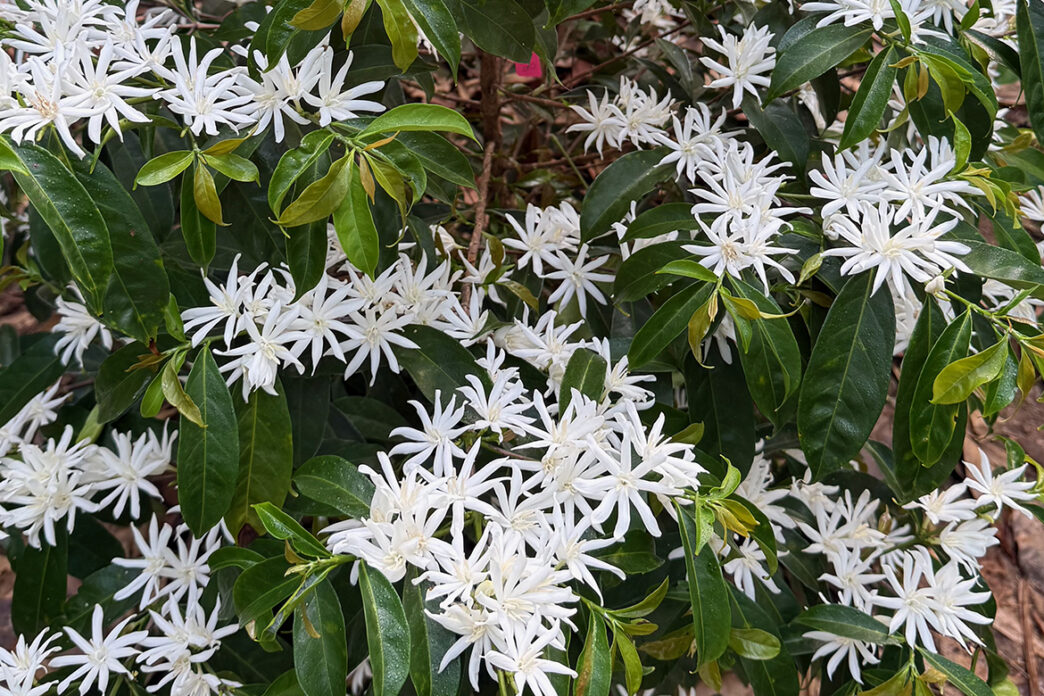
With the threat of climate change ever-looming over the coffee industry, Stenophylla is of particular interest. Populations of the coffee species were originally discovered—or rediscovered—in Sierra Leone in 2019 by Dr. Aaron Davis of Royal Botanic Gardens Kew and Dr. Jeremy Haggar of the University of Greenwich, which had not been seen in the wild since 1954. Stenophylla has shown to be more heat-tolerant than Arabica while possessing similar flavor characteristics, making it an attractive alternative.
The flavor similarities between Stenophylla and Arabica has thus far been based on sensory analysis, via cuppings. But now, new research has examined the chemical profiles to find key similarities between the two species.
Published recently in the Nature journal Science of Food, researchers from Royal Botanic Gardens Kew—including Dr. Davis as well as Dr. Haggar of the University of Greenwich—used liquid chromatography-mass spectrometry (LC-MS) to analyze 25 green coffee samples, including: 11 Arabica samples (“five indigenous Ethiopian cultigens and six randomly selected from… El Salvador, Brazil, Colombia, Rwanda, and Indonesia”), eight robustas from Brazil, Rwanda, Uganda, India, and Indonesia, and seven wild-grown Stenophylla samples from Sierra Leone.
Of the more than 700 compounds found in green coffee believed to affect its flavor, researchers honed in 37 “considered to be important” to a coffee’s flavor. After grinding the coffees with a mortar and pestle, the grounds were left to steep at room temperature in a 4:1 mixture of methanol and water for 24 hours. When assayed via LC-MS, they found that despite being morphologically and phylogenetically dissimilar as well as growing in differing climates, Stenyophylla and Arabica had similar chemical makeups, especially when compared to that of Robusta.
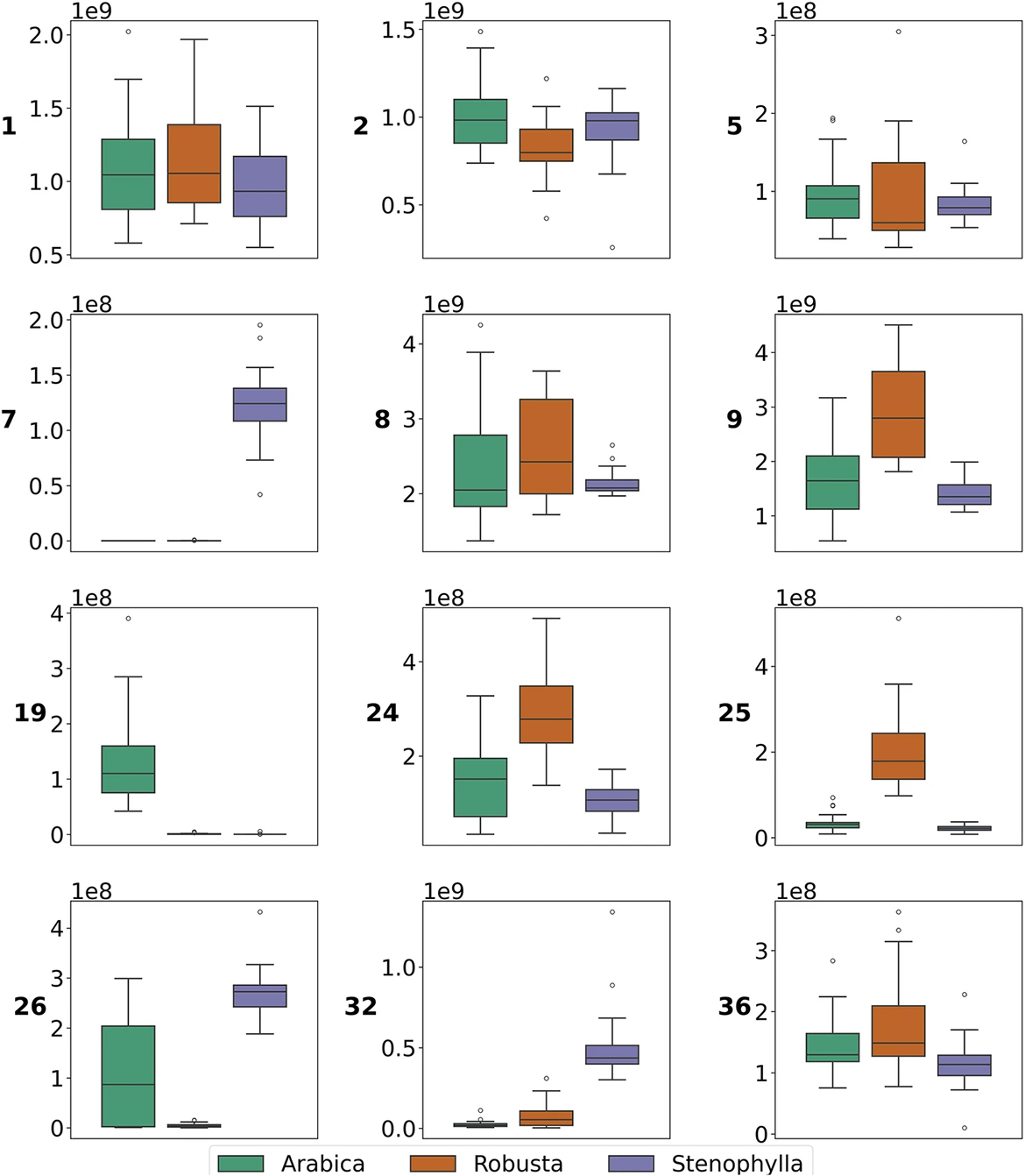
In particular Stenophylla and Arabica were found to have similar levels of caffeine, chlorogenic, feruloylquinic, caffeic, and citric acids, and sucrose.
Still, there were differences. Stenophylla, for instance, had lower levels of both quinic and malic acids. Researchers also detected theacrine in the Stenophylla samples, making it the first coffee species to contain the compound. Per the paper, “theacrine was first isolated from plants as crystals in the residues left over after de-caffeinating large quantities of tea” and, while not as studied as caffeine, has been associated with improved cognitive performance while not having “the same stimulant effects as caffeine.”
There’s also a knock-on benefit. Because Stenophylla is the only species to contain theacrine, the compound could serve as a reliable marker to verify coffee samples and protect against adulteration and fraud, which would be a boon for a new species coming to market.
The study offers confirmation to the sensory analysis, that Stenophylla and Arabica have similar flavor profiles, making it a viable replacement in areas where Arabica is no longer suitable to be cultivated. For a more in-depth look at the analysis, read the full Metabolomic insights into the Arabica-like flavour of stenophylla coffee and the chemistry of quality coffee article on Science of Food.
Zac Cadwalader is the managing editor at Sprudge Media Network and a staff writer based in Dallas. Read more Zac Cadwalader on Sprudge.
Photo by South India Coffee Company, used with permission