






Say what you will about the European Union’s flawed deforestation laws, but they are trying to move the needle in terms of equity and sustainability in the coffee world. This includes another one of their sweeping changes, the Corporate Sustainability Due Diligence Directive (CSDDD), which requires large companies operating within the EU to “identify and address actual and potential adverse human rights and environmental impacts in their own operations, those of their subsidiaries and in their chains of activities.”
Part of the CSDDD requires these companies to pay a living wage to coffee producers they buy from. And a new report finds “none of the world’s top coffee roasters and traders have committed to paying farmers a living income.”
The CSDDD will take full effect in 2029, but the rollout starts in July of next year for the largest companies, though with over 5,000 employees and €1.5 billion in revenue. Penalty for non-compliance can be up to 3% of the company’s total global revenue. And according to Coffee Barometer, the 15 largest aren’t prepared to adhere to the new law.
As reported by Reuters, the findings are part of the NGO’s biennial report on the state of coffee buying. In it, they reviewed the sustainability reporting of the 15 largest coffee company’s in the world and none “referenced living income commitments.” These companies include Nestle, Starbucks, JDE Peet’s, Olam, Louis Dreyfus, Ecom, and Volcafe.
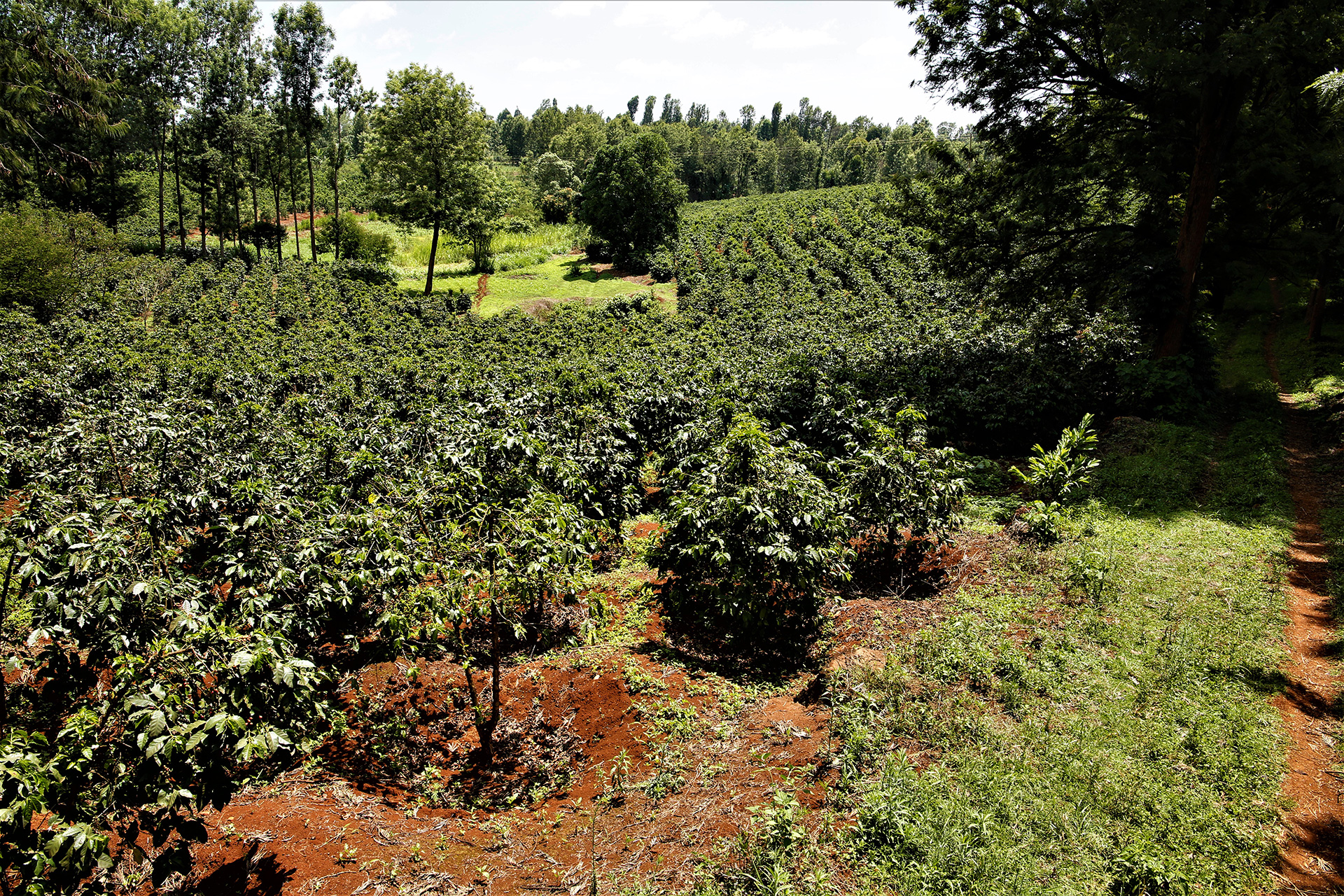
Per the report, an estimated 1.5 million farming household, “most cultivating less than two hectares,” are responsible for a majority of the world’s coffee supply, and still they struggle to earn a livable wage.
“Pricing structures, contract duration and payment terms are no longer purely commercial decisions; where they are linked to adverse human rights impacts, companies are required to change them,” the Coffee Barometer report states. “Companies publish sustainability commitments, while core commercial operations continue to rely on low-cost commodity purchasing. Until (this changes), sustainability investments (will) work around the problem rather than on it.”
Zac Cadwalader is the managing editor at Sprudge Media Network and a staff writer based in Dallas. Read more Zac Cadwalader on Sprudge.