






The vibrant city of Banda Aceh has known more suffering than most. Two decades ago, the devastating tsunami wiped out most of the infrastructure, along with scores of people. Despite an insurmountable task of not only rebuilding, but recovering from the loss, what a visitor finds now is one of the most hospitable places on earth.
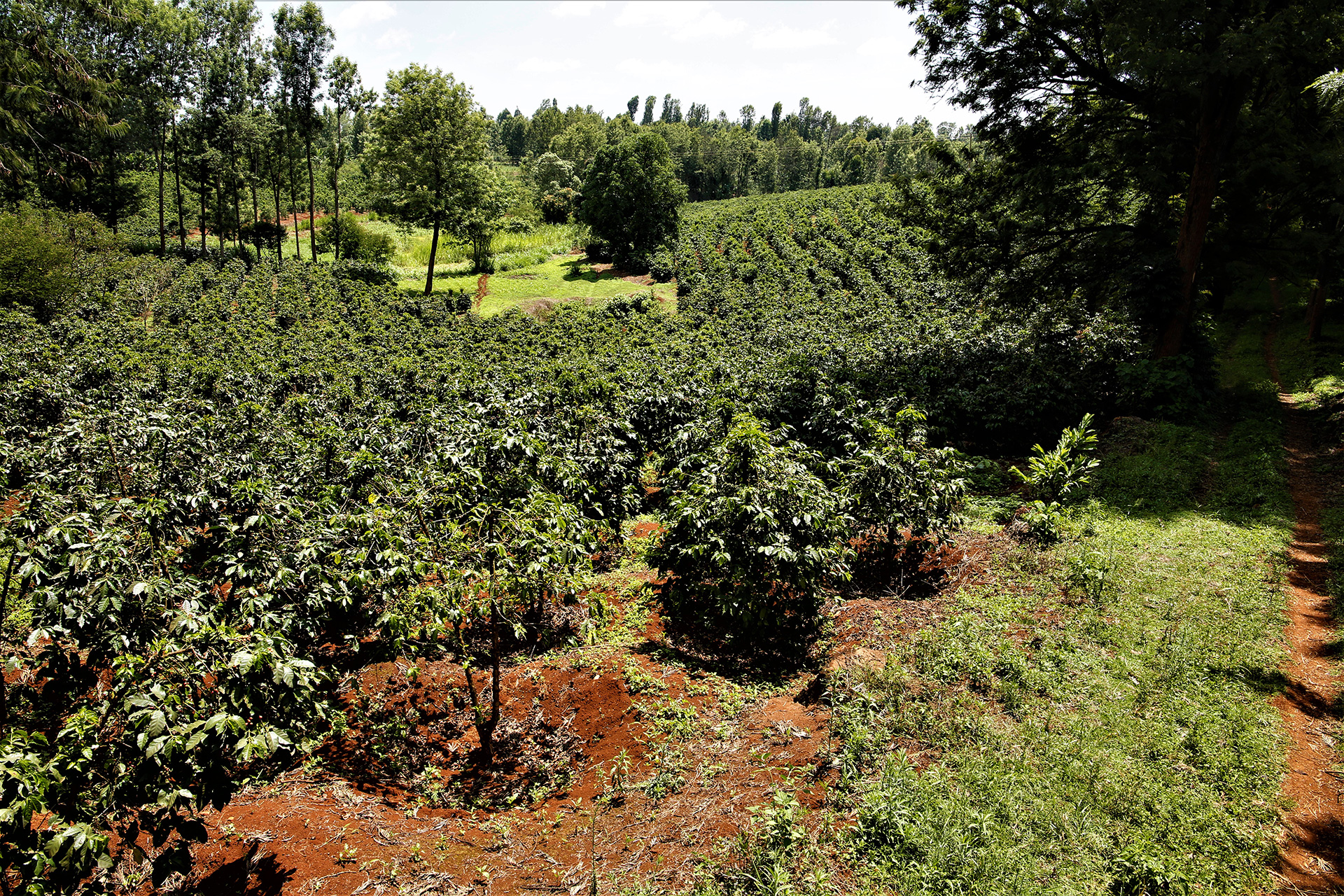
Approximately eight hours drive from the city lies the mountainous coffee growing district of the Gayo Highlands. This region famous throughout Indonesia—and indeed, the world—for coffee with nutty, spicy characteristics, considered some of the very best that Sumatra has to offer. The nation of Indonesia is coffee-crazy, and none so much as in Aceh. You can barely walk a city block without seeing at least two cafes and a couple of take-away stalls selling rich, dark, Aceh Gayo.
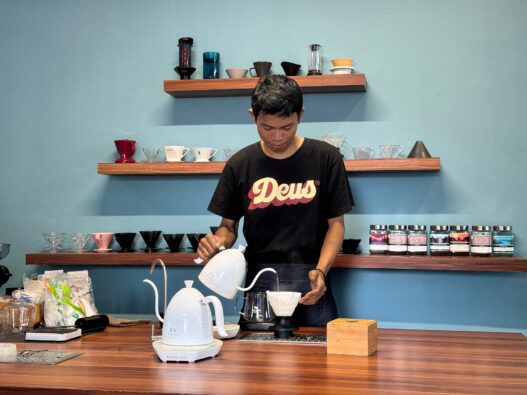
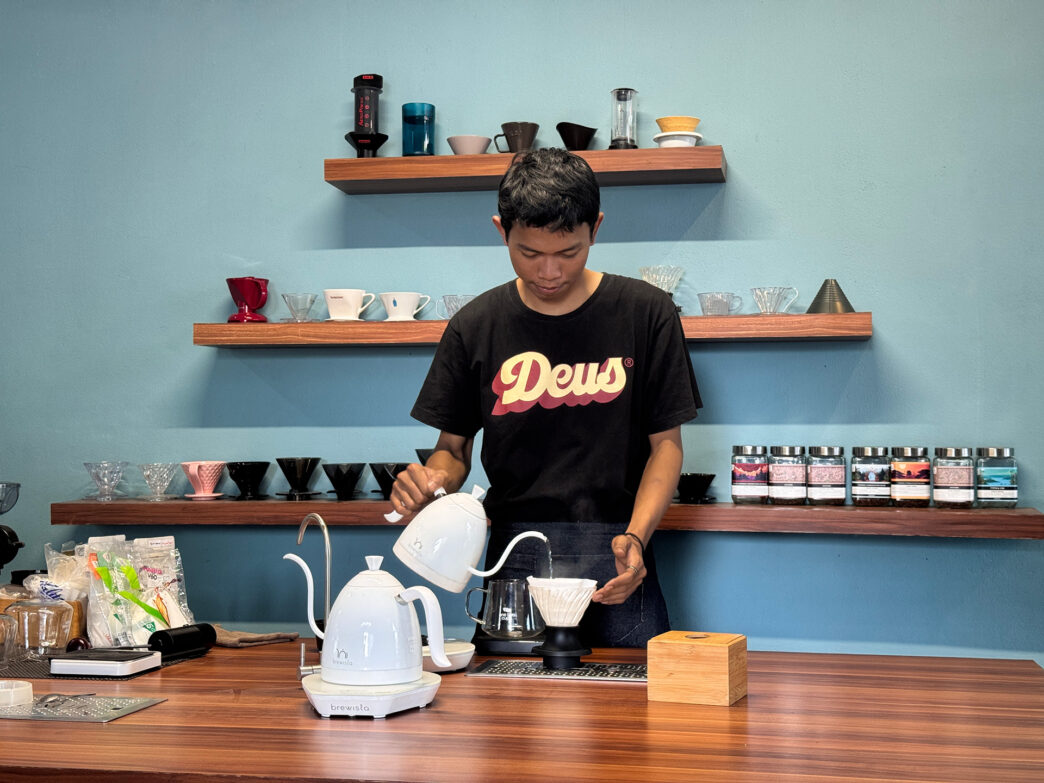
Luckily, for specialty coffee lovers, there is a remarkable underground scene of roasters and brewers who have left the traditional methods to those who do it best, and are carving out their own niche. A large percentage of the best cafes in Banda Aceh are moving away from espresso and over to pour-over methods to best serve their local coffee. But what good is a tried and tested method without solid foundations? Well, the roasting community is truly inspiring. All over Sumatra micro-roasters are dabbling with new methods (Mosto Process, Thermal Shock), to bring out more of the fruity/complex flavors from their beans. Traditionalists can find clean, washed coffee at every cafe, alongside the more experimental varieties.
Boasting a thriving scene, the friendliest locals you’ll meet, and a short ferry ride over to the holiday paradise of Pulau Weh, Banda Aceh should be a stop on any coffee lover’s bucket list.
Gayo’s Best Coffee Lab

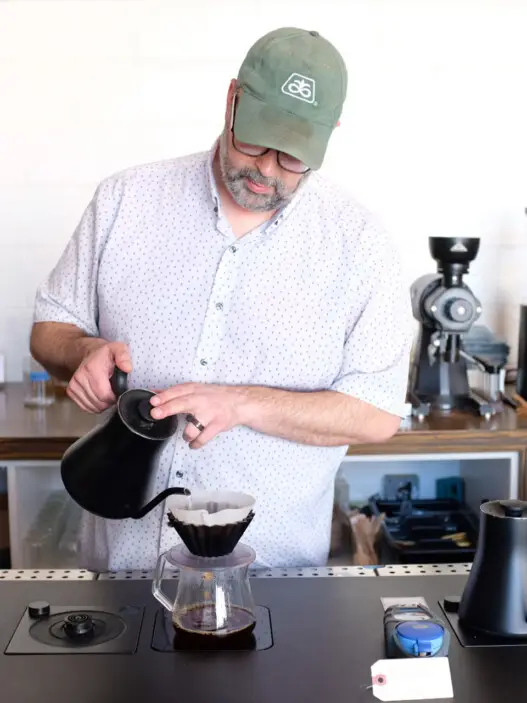
Nick Thornton, a transplant from the USA who has been living in Aceh for almost 15 years, is the conductor of the specialty coffee choir. From a campus a kilometer away from the main mosque, Thornton and his team roast local beans, host cuppings, and sell bags and beverages to serve on the porch. Thornton’s passion for Indonesian coffee and his drive to promote micro-roasters is truly inspiring. He works closely with local farmers, ensuring they receive above market wages in exchange for their crop, and sources high quality Arabica to promote Aceh Gayo to the international market. This is by no means an easy endeavor, and he faces numerous obstacles with supply issues, consistency of the product, and other logistical hiccups. In the end the trouble is worth it.

The coffee served at Gayo’s Best is beautifully prepared, and if you’re in doubt you can fire a rapid line of questions to Thornton or his staff. Ordering pour-over is the way to go here, and if he has time, you can take a look at the roasting room or participate in a cupping to really get an idea of the local coffee in the region. Knowing the background and passion with which Thornton approaches his craft, buying a few bags of coffee to take home is hardly a bad idea. This kind of passion should be rewarded.
Manyogot.Ma

Borngin Roasters is located at the original location of Manyogot.Ma, being essentially two companies under the same roof. The single-story residential house has a shady area out front and tables inside for the truly torrid days. The roasting room ensures the smell of freshly roasting beans permeates the whole block. They have another branch a few streets away, which serves more as a quick stop for kids on motorbikes, with limited seating on the pavement, and a few tables under a tin roof.

The staff who work both locations are award winning baristas, passionate about the coffee they serve and enthusiastic to help introduce you to their roasting profile, whether that’s on espresso or filter. Experimentation is very much a part of the Borngin/Manyogot philosophy, and they also offer a wide array of mocktails based on coffee. Combining cold-brew with grape essence and rosemary, is just one example of their inventiveness.
Kopikar

Aceh coffee is known for the use of “wet-hulling” in its processing, a consequence of it being difficult to fully dry coffee cherries in the humid environment. The method is a half-way home between washed and natural processes, and tends to give the coffee a slightly funky flavor, low acidity, and a syrupy mouthfeel.

Kopikar is a great place to try Aceh Gayo beans, with various processed coffees on display. The cafe itself serves the entire gamut of coffee styles, but has a dedicated section for filter and pour-over. Stored in glass tubes, a customer is free to smell the various options and decide on one to order. Recently they have started mixing coffee evenings with DJ sets, something that has proven popular to the locals in Banda Aceh. It goes to show that coffee and art is the perfect melting pot, that continues to throw up new outlets of creativity.
Bertaut.Space

The new-wave kid of the Banda Aceh coffee scene, Bertaut.Space is located three kilometers from downtown, in a corner building that even taxi drivers struggle to find. Once you have navigated your way in, you’ll be confronted with a blue, minimal space with rows of coffee drippers and grinders on the wall. They roast in the side-room, pushing the envelope more into carbonic maceration, thermal fermentation washed, something that the Achenese are really getting into.

When ordering, the barista will offer you a range of drippers to prepare your coffee on. The vibes here are very much Berlin-cool, but set in a humid environment where air conditioning is your salvation. Order a hot coffee here so you can taste the complexity of the cup, but if indeed the temperature is overwhelming, they serve a good selection of iced coffee, too.
Kedai Kopi Seirama

Probably the easiest of the coffee shops to get to, Seirama is located downtown, 50 meters from the riverbank, around the corner from the famous Original Kopi Gayo, a store that sells all manner of local coffee.
Seirama is more of a cafe than a coffee shop. They have a full food menu and are very popular with lunchtime workers on a break. Divided over two floors, the street-level section has a lovely large window which lets in natural light for those looking to bring a book. The coffee lends itself to espresso based sweet drinks, something that is very popular with the locals, but they also have a few filter coffee beans that they are more than happy to brew. A fan favorite here is Seirama’s version of the Kopi Jahe, a black coffee flavored with ginger.

If you are pressed for time, Seirama offers you a glimpse into the endless library of Aceh Gayo coffee, and for those who have more time on their hands, they can dig deeper elsewhere.
Kuta Alam Roastery

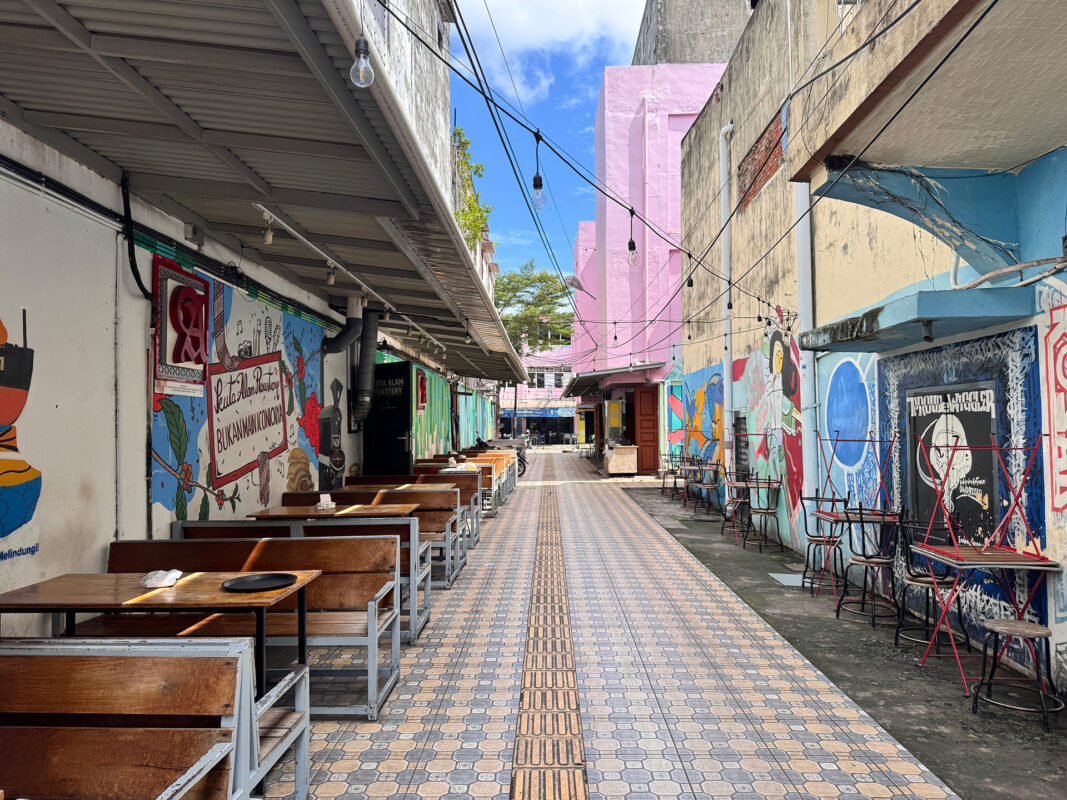
A few blocks north from Seirama lies this outlet of Kuta Alam. Famous for their dark roast espresso beans, they are considered one of the progenitors in the Banda Aceh coffee community. With a few locations around town, including a gigantic roastery, the small coffee shop near the river is where the heartbeat of the operation lies. With a mural-decorated alleyway next door with ample seating, this is a hotspot for locals to discuss politics and daily life, fueled by the strong, thick, dark roast espresso.


To combat the intense heat, Kuta Alam is famous for their inventive iced coffees, including pandan flavored ice-lattes, lava ice drinks, and their cold foam series. No matter where your personal preferences lie, it’s important to pay homage to the people that paved the way for the coffee scene in Aceh, and Kuta Alam is one to tip your hat to.
Benjamin Sand is a freelance journalist and the creator of The Mouth. Read more Benjamin Sand for Sprudge.