
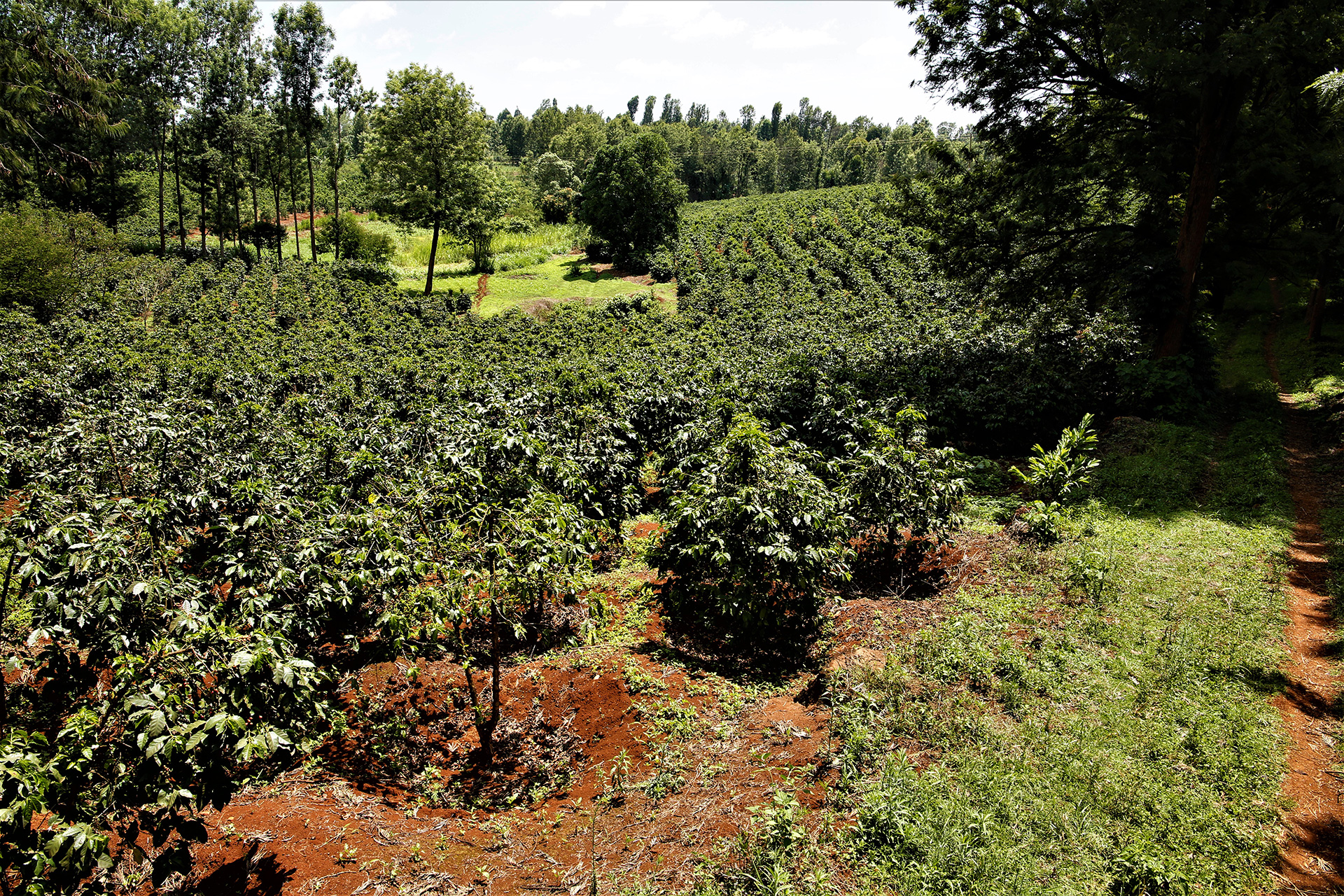





When it comes to finding the coffee varieties of the future, there are three main considerations: resilience, yield, and cup quality. And you kind of need to have all three to really make an impact. A new variety can be climate resilient and produce a lot, but if it tastes bad it doesn’t matter. Likewise if a coffee is delicious but can’t keep up with climate pressures.
The problem is, for new varieties, taste isn’t able to be assessed until after roasting, meaning it could take up to five years before learning if a potential new hybrid meets all the criteria. But now, researchers at Ohio State University are looking to chemistry to help predict flavor profiles before any green coffee hits the roaster.
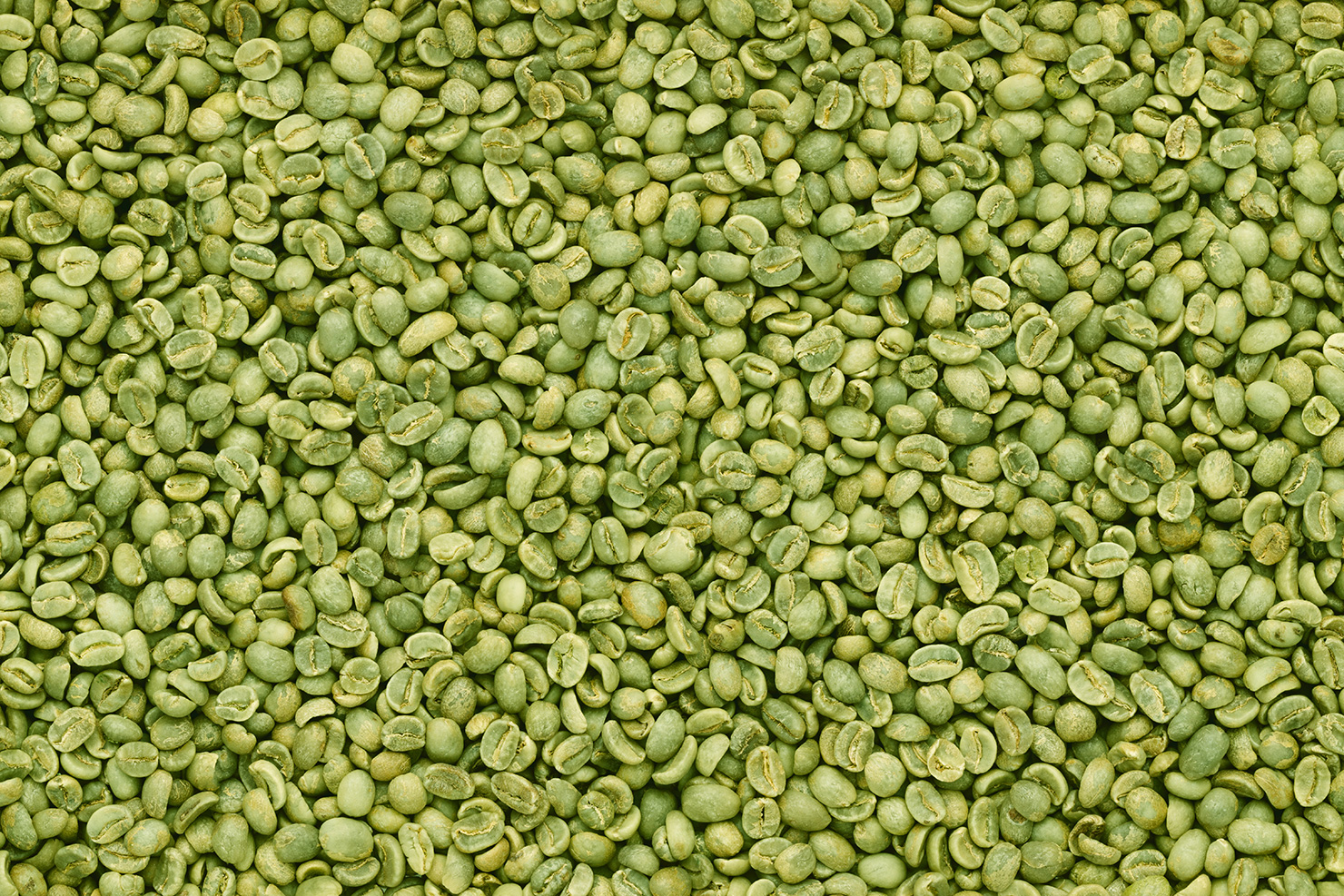
Funded by the US Department of State, their new multi-year research project seeks to “give coffee breeders a faster, more objective way to select coffee plants that produce the best-tasting beans.” To this end, researchers will analyze roasted coffee samples from around to the world in order to determine which chemical compounds are associated with different flavor outcomes. They will then look at green coffee in order to find the precursors that ultimately lead to these compounds, which will then, theoretically, help determine the potential flavor output of a coffee even before it is roasted.
The hope is that with this information, breeders can quickly and easily analyze thousands of samples to determine the ones with the most promise. This will help them more quickly uncover the strongest varieties so that they may be moved to production more quickly.
The project is still years away from completion, but it nonetheless offers great promise for the future of coffee production and the efforts to safeguard it against the challenges of climate change.
Zac Cadwalader is the managing editor at Sprudge Media Network and a staff writer based in Dallas. Read more Zac Cadwalader on Sprudge.