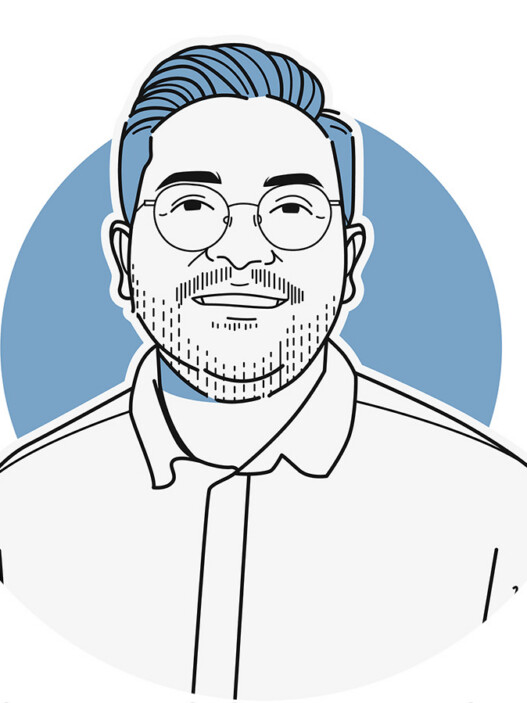






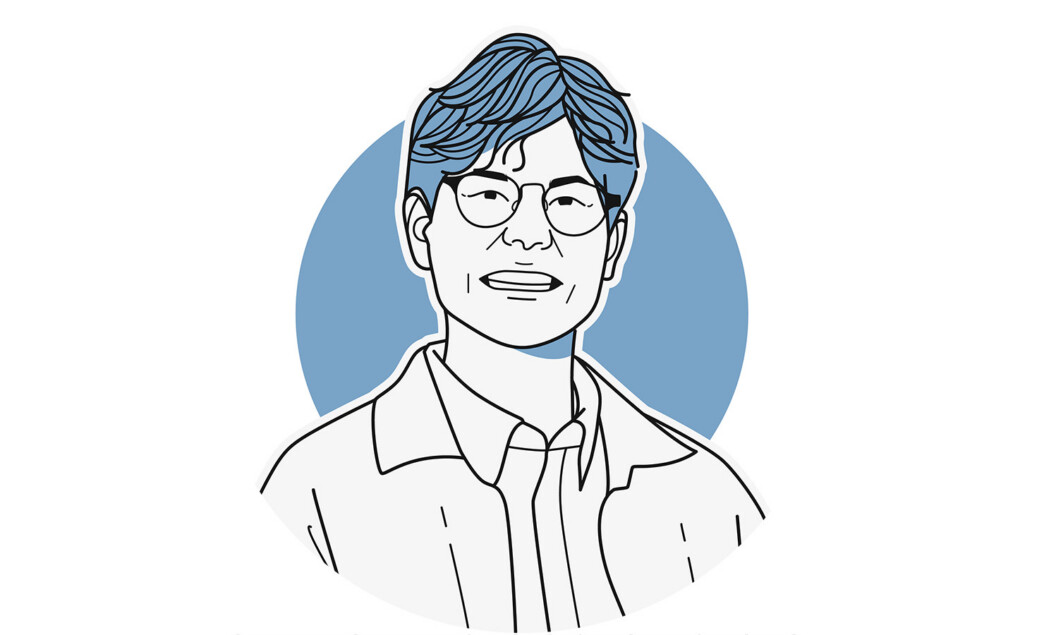
Pack is a ray of sunshine and ultimate hype man for everyone competing in Brewers Cup. Not only does he crush it on stage, off stage he is a dedicated ambassador of Thai coffee. This year I got to hear about his projects to get more varieties to farmers in Thailand to help them diversify their farms and improve cup quality. He does it all while running his own coffee business, Newbery Street Coffee Roasters. His dedication to coffee excellence as well as his constant aura of positivity makes him my coffee hero.
Nominated by Alyssa Bell
What was your first coffee job?
My first role was as a barista at Starbucks.
Did you experience a life-changing moment of coffee revelation early in your career?
Yes, coffee saved my life once, when I had only $27 in my entire life. Then one day, a friend from northern Thailand sent me a bag of coffee to my door. When I drank it, it felt like a light—such a mind-blowing experience. I tasted red cherry juice and hibiscus tea, and it drank almost like tea.
That moment sparked my curiosity and brought me to where I am today.
Is there a person or persons who served as your mentor early in your coffee career? How did they impact you?
I’ve been fortunate to have many mentors throughout my coffee journey, and I want to acknowledge them because each of them has played an important role in shaping my path.
Auan Lalida Sithipruthanon opened the door for me to truly understand how to taste coffee and refine my palate. Dawn Chan introduced me to the world of coffee competitions and challenged me to compete so my voice could be heard. Gabriel Carol coached me and helped me grow into a stronger and more confident competitor. Billy Yaesowku, my earliest mentor at the farm level, taught me the fundamentals, from picking coffee cherries to processing and basic roasting.
Each of them has contributed to where I am today, and I’m deeply grateful for their guidance.
What is your current role in coffee?
Founder of Newbery Street Coffee Roasters, a Thai specialty coffee roasting company based in Greater Boston.
What facet of the coffee industry has changed the most during your career?
The facet of the coffee industry that has changed the most during my career is how much transparency and connection to origin has become central to everything.
When I first started, coffee often felt like it was defined mainly by roast level, brewing method, and cafe experience. Today, more people care deeply about where coffee comes from, who produced it, and how it was processed. Farmers are no longer just “suppliers” in the background; they are becoming visible voices in the story of coffee.
From my perspective working between Thailand and the U.S., I’ve also seen how much faster knowledge now travels. Processing innovations, competition-level brewing, and producer experiments that once stayed in small circles now reach global audiences very quickly.
At the same time, competition coffee has pushed quality and creativity forward, but what excites me most is that it is becoming more connected to origin rather than separate from it.
For me personally, this shift has changed how I work. I don’t just think about roasting or brewing anymore. I think about how to translate the work of producers into something people can understand and feel in the cup.
What still surprises you today about coffee, or gives you joy?
I love how the industry keeps growing and more people are starting to care. To me, coffee is one of the few industries that technology cannot fully replace, because human interaction and communication will always be at its core.
There is so much love in this industry and in the work itself. It is special because love plays an important role in coffee, and it will always require human connection.
What’s something about the coffee industry you’d most like to see change?
In my own view, I would like to see people give coffee more appreciation and more opportunity to grow in value.
I understand the excitement around rare, experimental, and expensive coffees, but I also hope we do not overlook everyday coffees that producers and farmers work extremely hard to create. Not every farmer has access to high elevation land or rare varietals, but many of them still dedicate their lives to producing high-quality coffee with care, skill, and belief in their work.
I hope people can better understand why some coffees are more expensive than others, and more importantly, understand the value behind each cup. I really appreciate those who already care about this, and I hope the industry continues to move toward a place where all coffees are respected for the effort behind them, not just their rarity or price.
What is your most cherished coffee memory?
People are my most cherished coffee memory. I am grateful to have coffee friends across the world who all share the same intention of doing good within the coffee community and ecosystem.
One thing I love about coffee people is that, no matter where they are in the value chain, from farm level to coffee shops to competition, there is a shared goal: to see people happy. Everyone supports one another, and that sense of community brings me joy every day.
Do you make coffee at home? If so, tell us how you brew!
I brew my own Thai coffee almost every day. I often make pour over coffee using my favorite equipment, including Orea Brewers, Kalita Wave, Fellow kettle, and Fellow Tally scale, along with Thai coffee beans.
What is your favorite song/music to brew coffee to?
My favorite “music” to brew coffee to is the moment itself. I prefer no music or artificial sound, just the environment around me.
The wind, the movement of leaves, and the sound of birds become the background. It’s a moment to slow down, stay present with a cup of coffee, and appreciate it fully.
What is your idea of coffee happiness?
To me, coffee happiness is when customers, roasters, and farmers can sit together, drink coffee, and share their stories.
I love seeing people connect, appreciate each other’s work, and compliment one another. It creates the most beautiful kind of conversation. I have experienced this before, and it was truly a special moment.
It feels similar to sitting in a Michelin three-star restaurant, where every detail is explained deeply and you learn through the experience. I find that kind of exchange very meaningful, and it brings me a lot of happiness.
If you could drink coffee with anyone, living or dead, who would it be and why?
I would want to drink coffee with my cat. She has been watching me brew coffee almost every day, but she has never been able to taste it.
Of course, cats should not drink coffee, but I would love to imagine her trying it and telling me whether my coffee tastes good.
What’s one piece of advice you would give someone getting their start in the coffee industry today?
Just enjoy the journey. Coffee can take you to places you never imagined, and you don’t always know where it will lead.
Stay open-minded, keep learning, and trust the process.
The Sprudge Twenty feature series is proudly presented by Pacific Barista Series.