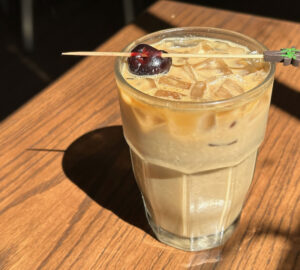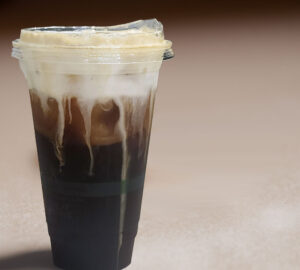










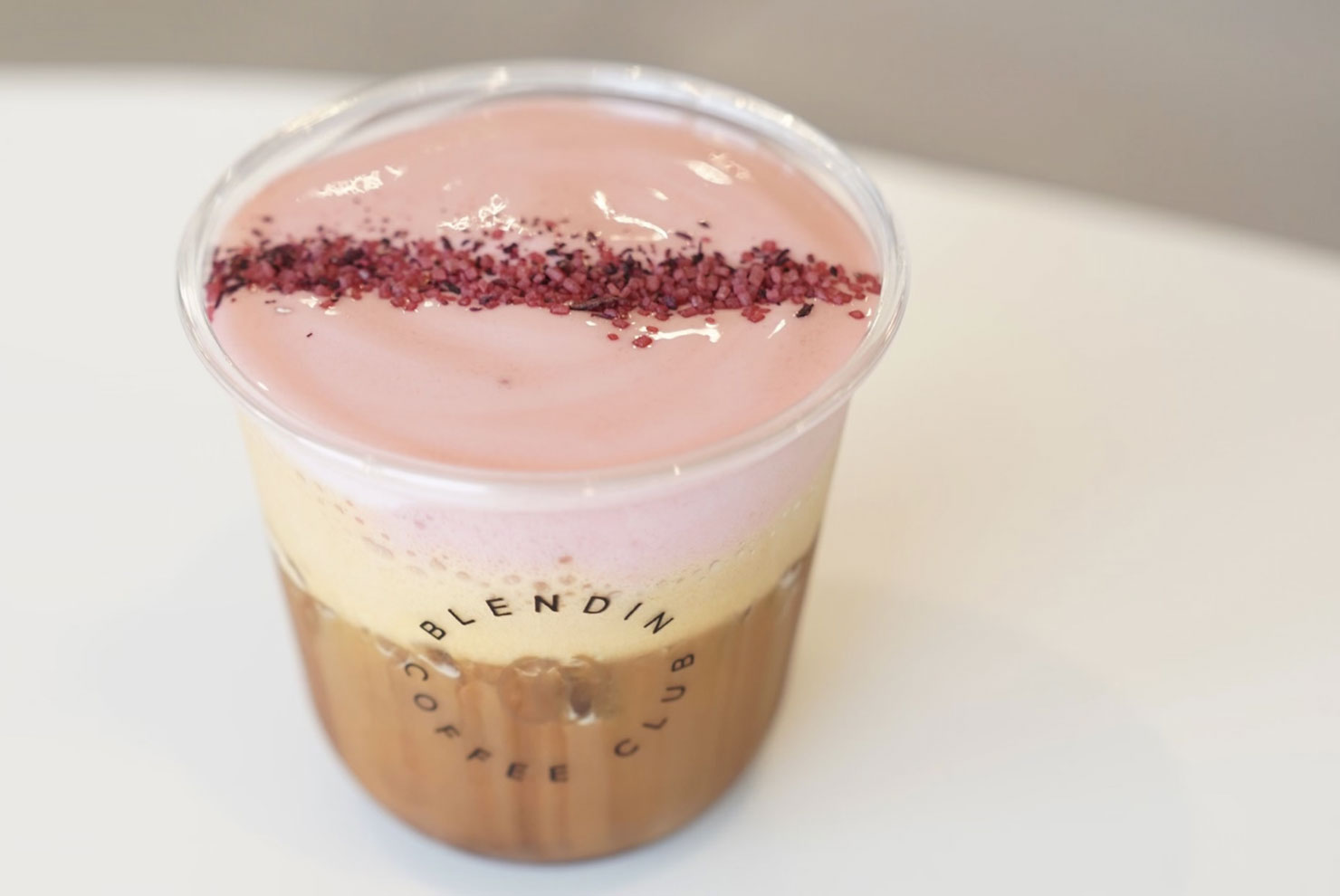
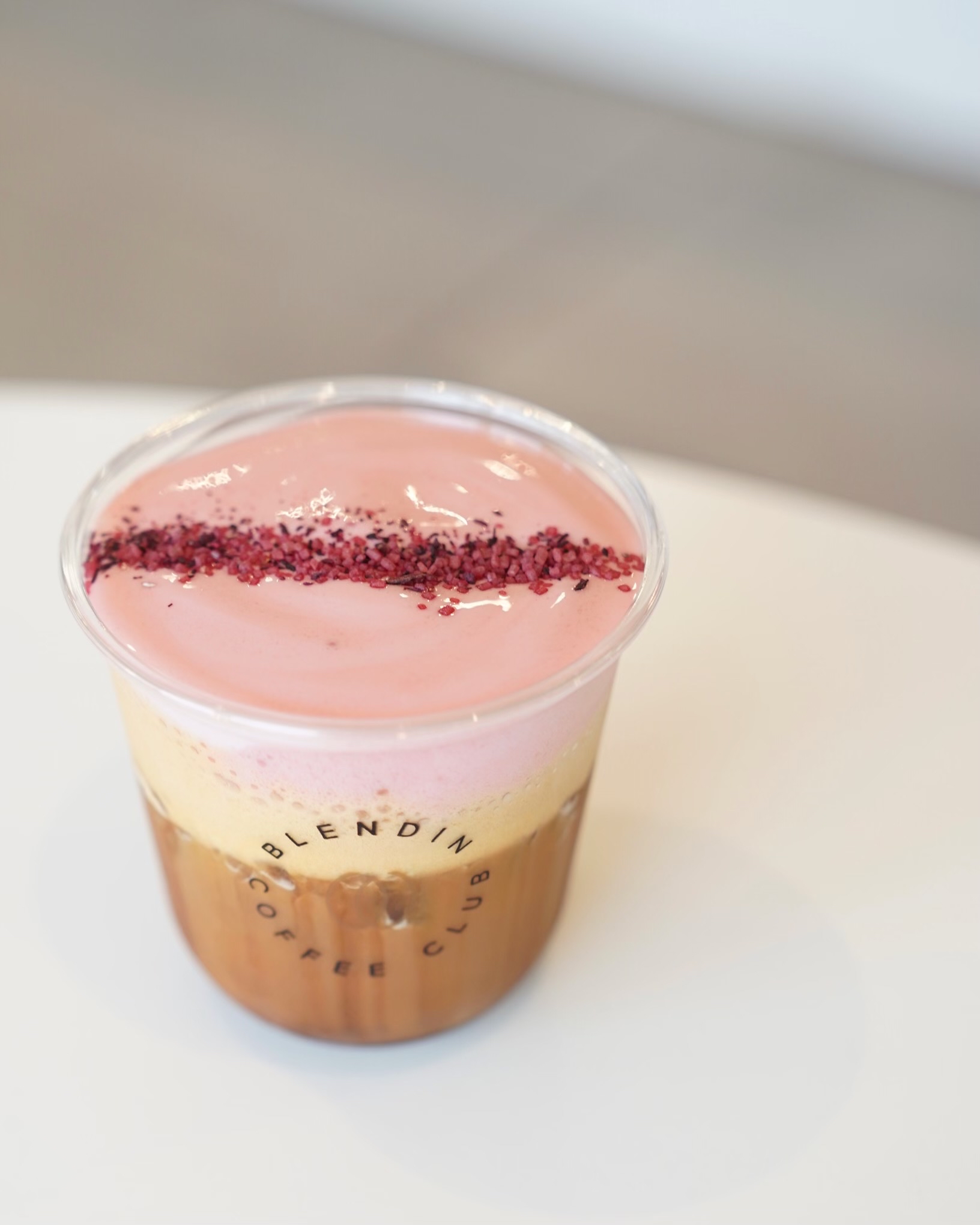
Each season, BlendIn Coffee Club out of Houston holds a signature drink competition. BlendIn Coffee Club’s baristas create and present signature drinks to a panel of guest judges—”and the winner gets put on the menu for three months and receives 10% commission on all sales of the drink.” There have been around twenty beverages all together, and this season they’re offering “Florals For Spring,” a “shaken double espresso sweetened with lavender syrup, a splash of oat milk and topped with a house made strawberry-hibiscus infused oat whip cream and garnished with a blend of freshly ground hibiscus flower and sugar in the raw.” Sounds good to us! We reached out to Aaron Atkinson, General Manager and Q Arabica Grader, to find out more.
View this post on Instagram
Tell us about BlendIn Coffee Club – when did it get started?
BlendIn Coffee Club was founded in 2017 by Weihong Zhang, in Sugar Land, Texas. Our mission is to provide the best experience we can to every person along the coffee’s tree-to-cup adventure, from our customers to our employees, and finally to the individual farmers. Each coffee we serve is traceable back to a specific country, region, farm, even a specific lot. BlendIn Coffee Club is comprised of a cafe, roastery and SCA premier training campus at our Sugar Land location, as well as a second cafe in Houston, Tx.
Who is on the team?
Our team consists of people with a wide array of experience and expertise. There are four Q Arabica Graders on staff as well as a team of talented baristas, a roasting team and coffee professionals dedicated to teaching SCA courses, workshops and classes focused on different aspects of specialty coffee.

Tell us about how your signature drink program got started at BlendIn Coffee Club – how many drinks have you featured?
We have had a signature drink on the menu since opening in 2017 that has changed seasonally based on an in-house competition amongst the staff members. We wanted to feature a drink that is unique and created by members of our staff to showcase the possibilities of coffee beverages as well as an opportunity to showcase the talent that our team members have in creating beautiful and tasty drinks that customers could enjoy. Every three months we hold a competition where staff members present their drink, and we invite guest judges to taste and score the signature drinks. The drink with the highest score is put on the menu at both of our cafes for three months and the staff member who made the drink receives 10% commission from the sales of their beverage. It is a fun way to add something unique to our menu as the seasons change. We have been doing this since opening in 2017, so we’ve had about 20 different signature drinks on the menu.
What coffee do you use for FFS?
We use a Washed coffee from Huila, Colombia grown at 1900m. There are two varieties in this lot, with 99% being Caturra, and only 1% Colombia variety. It has notes of coconut sugar, milk chocolate and brown spice, with medium-low acidity and a creamy body.
How long will FFS be on the menu?
It will be on the menu until May, when our next competition is held, and a new signature drink is selected.
How much is it?
$5
View this post on Instagram
What’s next for BlendIn Coffee Club?
We have a new roastery in the works that will house our coffee roasting production, a cafe, SCA and CQI training lab as well as a competition lab for those wanting to train and compete in US Coffee Champs. Weihong Zhang, the owner of BlendIn won 1st place in the Baltimore Qualifiers for USBrC, and will be competing in Portland at the National Competition for US Coffee Champs. Our General Manager, Aaron Atkinson will be a judge for the US Roasters Championship in Portland, as well. We also have some origin trips coming up for this year’s harvest selection that we are really excited about.
Thank you!
On The Menu is proudly presented by Oatly. Check out more signature drinks in our On The Menu archive.